REVIEW · MELBOURNE
Architecture Tour of Melbourne
Book on Viator →Operated by MELTours · Bookable on Viator
Melbourne’s buildings talk if you know how to listen. This small-group architecture tour strings together major CBD landmarks to show how the city’s look evolved from the 1850s to today, with a guide who turns facades into stories you can actually picture.
What I really like is the stop selection: you don’t just get one theme, you get variety—St Paul’s Cathedral to major public spaces like Federation Square and Flinders Street Station, plus standout civic and heritage sites along the way. I also like the small-group feel (max 10), which keeps the pace human and makes it easier to ask questions—some guides referenced in feedback include Kathy, Sam, San, and John, and they’re repeatedly praised for being engaging and flexible.
One thing to consider: it’s a walking tour around 2 hours, and it’s not wheelchair accessible, so wear comfy shoes and plan for a steady stroll in the CBD.
In This Review
- Key highlights worth your time
- Where the tour starts: St Paul’s Cathedral on Flinders St
- How this 2-hour route works (and why the pacing matters)
- Federation Square: the public-face of modern Melbourne
- Flinders Street Station: more than just a famous facade
- ANZ Bank Museum: history you can actually feel in the details
- Scots Church: faith, community, and heritage presence
- Hidden layers: what the guide actually adds
- Small group logistics: why max 10 people is more than a number
- Getting value from $64.55: what you’re really paying for
- Weather and timing: plan like a local walker
- Who should book this Melbourne architecture walk?
- Should you book? My take on the decision
- FAQ
- Where does the tour start?
- How long is the Melbourne architecture tour?
- Is the tour wheelchair accessible?
- How big is the group?
- What buildings and areas are included?
- Do I need to print tickets?
- What if the weather is bad?
- Is there a refund if I cancel?
Key highlights worth your time
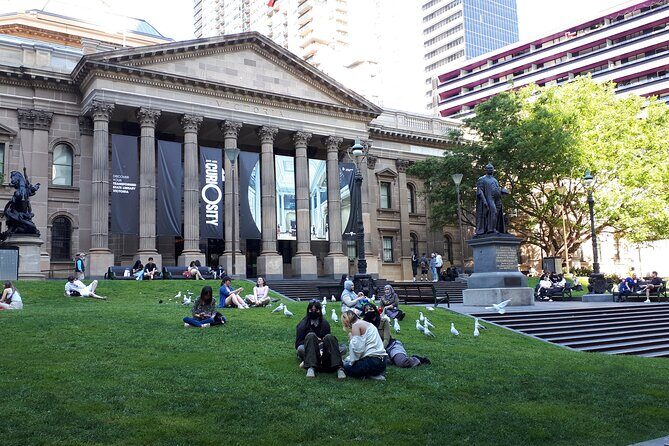
- Max 10 people means more personal attention and easier Q&A as you move from site to site
- St Paul’s Cathedral on Flinders St is a clear, easy starting point for getting oriented fast
- Federation Square + Flinders Street Station anchor the tour with high-recognition landmarks that still have plenty to learn
- ANZ Bank Museum and Scots Church add variety, showing how commerce and community shape the city’s architecture
- Good weather matters; if conditions are poor, you can switch dates or get a full refund
Where the tour starts: St Paul’s Cathedral on Flinders St
I like meeting points that are obvious, not vague. This tour’s start is right at 198–206 Flinders St, with the meeting point at St Paul’s Cathedral—a big landmark you can spot quickly, especially if you’re arriving by tram or train.
You’re also setting the tone immediately. St Paul’s is one of those buildings that makes Melbourne feel like a real city, not just a collection of streets. From the beginning, the guide frames what you’re about to see: styles, materials, and why certain buildings were built the way they were.
Practical heads-up: the tour is not wheelchair accessible. If mobility is a factor, this is the kind of detail you want to treat as a deal-breaker, not an afterthought, since the route is mainly on foot.
You can also read our reviews of more tours and experiences in Melbourne.



How this 2-hour route works (and why the pacing matters)
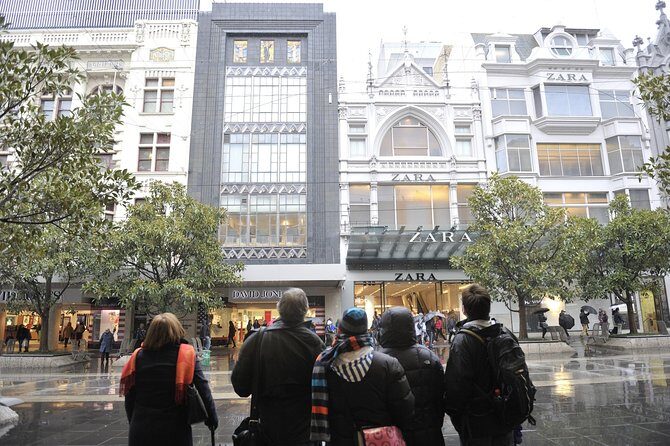
This is listed as about 2 hours, and the big value is that it’s compact enough to do on a busy day without exhausting you. You’re walking through the CBD with multiple stops, which is ideal for getting a “mental map” of Melbourne’s architectural evolution.
The tour is also described as a city architecture scene from the 1850s onward, meaning you’ll be thinking in time periods, not random trivia. That’s important. When a guide ties a building to its era—what was happening in the city, what people valued, what design choices signaled—architecture starts to click.
And because the group is capped at 10, the guide can adjust the pace. The finish point is flexible; you end roughly near Bourke Street Mall, but it depends on group size and walking speed. That’s helpful, because it means you’re not herded along like a clockwork unit.
One more practical note: bring comfy shoes. Even if you’re an experienced walker, CBD walking adds up when you also stop for explanations, photos, and quick looks at details.
Federation Square: the public-face of modern Melbourne
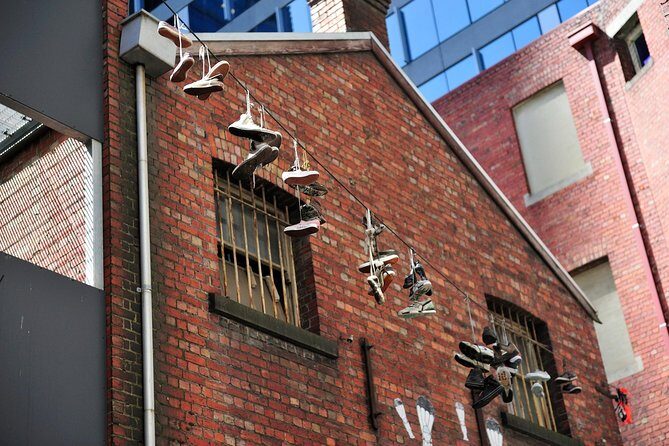
If you’ve ever stood in Melbourne and wondered why the city feels like it has two personalities—old and new—Federation Square is one of the places that makes the “new” version make sense.
Here’s what this stop is good for: it helps you see architecture not just as individual buildings, but as a setting for how people gather. Federation Square is the kind of place where form and function meet fast: it’s designed for public movement, events, and attention. A good guide uses that to explain what the city wanted from its civic spaces—how design choices affect crowds, views, and daily life.
Another reason I’d put this on the must-do list for first-timers: it’s an easy landmark to compare with what you’ll see later. When you move from Federation Square toward older or more traditional-looking structures, the contrasts help your brain do the organizing.
Flinders Street Station: more than just a famous facade
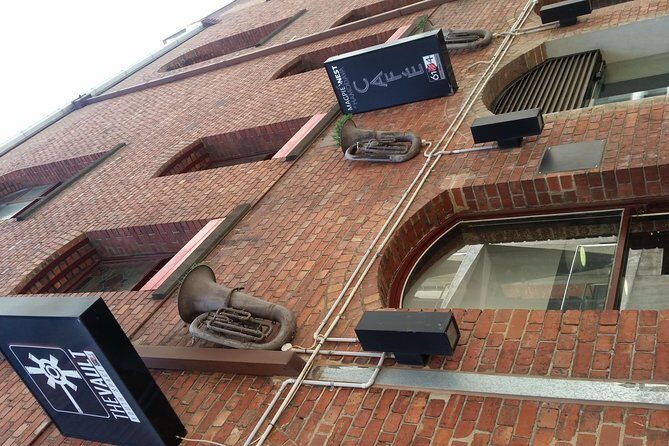
Flinders Street Station isn’t just famous—it’s also a masterclass in how a transit building becomes an identity card for a city. On this tour, the point isn’t only that it’s iconic. It’s that it shows how architecture supports movement while still working as theater.
This matters because architecture around transit is always “public” architecture. People pass through it without choosing it. The guide’s job here is to show you which details shape the experience: sight lines, massing, and how the building handles people as the city flows in and out.
I also like that the guide is set up to help you notice things you might miss while rushing through. Some feedback highlights that the guide spots details you don’t normally see from street level and helps you understand what’s possible to explore further on your own.
Even if you’re not the type to read plaques, this stop gives you something practical: it helps you look at Flinders Street Station as a piece of designed space, not a background.
ANZ Bank Museum: history you can actually feel in the details
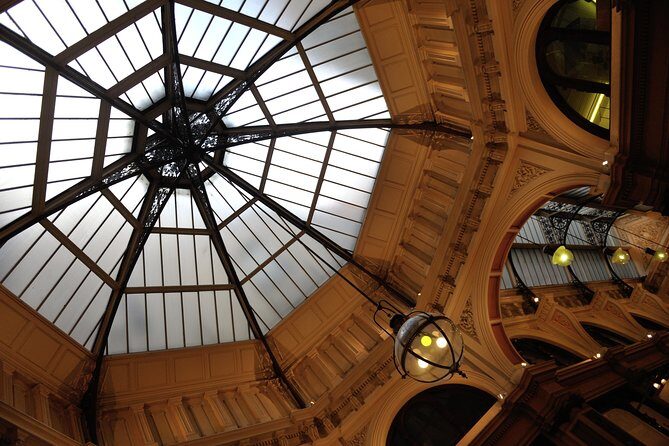
Adding ANZ Bank Museum to the route is smart because it shifts the story from streets and squares to institutions. Banking and finance sound boring until you remember how much money, power, and civic ambition are built into their buildings.
This stop helps you connect architecture to purpose. Financial buildings often communicate stability and authority. That can show up in the way the building is proportioned, how it presents itself to the street, and how it handles entrances and public access.
If you like architecture that tells you what a place was meant to do—rather than just what it looks like—this is the kind of stop where your brain starts making connections. It also gives you a break from purely external viewing, which can be nice for photos and for staying mentally fresh during the walk.




Scots Church: faith, community, and heritage presence
Every architecture tour needs at least one anchor that isn’t about commerce or transit. Scots Church does that job.
This is where the tour’s “story” angle really comes through. Churches in cities like Melbourne aren’t just religious sites. They often act as landmarks for community identity across generations, showing how architecture can carry meaning long after the building’s original moment in time.
What I like about including a church on a short, CBD-focused route: it gives you variety in materials, formality, and atmosphere. It also helps you compare styles without needing to travel far outside the center.
And if your favorite part of city walking is spotting symbolism—things like how a building faces the street or how it signals importance—this is one of the stops that tends to pay off.
Hidden layers: what the guide actually adds
A walking tour lives or dies on the guide’s delivery. In the feedback for this experience, guides are praised for answers that come off natural, not memorized. There’s also praise for humor and for the ability to handle surprise questions.
That matters because architecture questions rarely fit neatly into a script. People ask about why a building looks the way it does, whether it was rebuilt, what a feature is supposed to communicate, or how styles changed over time. When a guide can handle diverse questions, the whole tour feels more like a real conversation than a lecture.
A few specific strengths highlighted across feedback:
- Stories tied to buildings you can see immediately
- Points about details that aren’t obvious from the street
- Help understanding what to look for next, including which kinds of buildings you might be able to go into or explore further
That last part is quietly useful. Even if you don’t enter every stop during the tour, you walk away with a sharper instinct for where to spend extra time later.
Small group logistics: why max 10 people is more than a number
Max 10 travelers might sound like a sales pitch, but it affects the experience in real ways.
First, it helps the guide keep the pacing steady. A tight group means fewer people stretching the tour time and fewer long waits at each stop.
Second, it improves the quality of explanations. When you’re not listening to a crowd, you hear the nuance. You can also ask a question and get a direct answer without feeling like you’re holding everyone up.
Third, it makes it easier to tailor. The tour notes that the guide will adjust as much as possible to match interests, and that the route finish is flexible depending on group speed. That’s exactly what you want if your travel style is “see a lot, but keep it human.”
Getting value from $64.55: what you’re really paying for
The price is listed at $64.55 per person, and for a short CBD walk like this, the value comes down to two things: how much you learn per stop and how smoothly the guide connects the dots.
You’re paying for:
- A structured route across major architectural touchpoints
- Time spent interpreting what you’re looking at, not just naming it
- A small-group format, which usually means better explanations and less rushing
At $64.55, it’s not a “cheap ticket to walk around.” It’s more of a focused way to turn a couple hours into something with context. If you like city wandering but you also want the why behind the what, this kind of tour often pays off quickly—especially if it’s one of your first days in Melbourne.
If you’re the type who already knows Melbourne architecture deeply, you might not need a guided route. But if you want a fast, organized way to understand the city’s architectural timeline, this price feels in line with what you get.
Weather and timing: plan like a local walker
This experience requires good weather. If weather is poor, you can choose a different date or receive a full refund. That policy is practical because CBD walking tours are sensitive to rain—sightseeing stops and photo time don’t feel the same when everyone is trying to stay dry.
Timing wise, this is about 2 hours, so it works well for:
- Your first day in town (you get orientation plus context)
- A mid-trip reset where you want something less museum-heavy
- An afternoon plan when you want a walk with an actual payoff
Just remember the core reality: you’re on your feet. Even if you’re comfortable walking, keep the rest of your day lighter than you normally might.
Who should book this Melbourne architecture walk?
Book it if you want a clear, guided way to see Melbourne’s CBD architecture without getting lost in random information. It’s also a strong fit if you like history that stays attached to what you can look at right now.
You’ll likely enjoy it most if you:
- Prefer small groups (max 10)
- Want the city explained through buildings, not just streets
- Like a guide who handles questions and keeps things engaging
- Are visiting for a short time and want an efficient overview
Avoid it if you need wheelchair accessibility, since it’s explicitly noted as not wheelchair accessible. If your mobility is limited, you may need a different format, like a drive-and-stop tour or a mostly seated option.
Should you book? My take on the decision
If you’re visiting Melbourne and want a fast but meaningful architecture introduction, I think this is a smart booking. The combination of major landmarks, a guide who can connect design to story, and a max-10 group format is a strong mix for a 2-hour outing.
I’d book it especially if:
- You want variety in styles across the CBD
- You care about understanding why buildings exist, not just what they look like
- You like tours where you can ask questions and get answers on the spot
If you’re expecting a slow, sit-down museum-style experience or you can’t manage a walking route, then look for a different approach.
FAQ
Where does the tour start?
The tour meets at St Paul’s Cathedral on Flinders St, at 198–206 Flinders St, Melbourne VIC 3004.
How long is the Melbourne architecture tour?
It runs for about 2 hours.
Is the tour wheelchair accessible?
No. This tour is not wheelchair accessible.
How big is the group?
The tour is a small group with a maximum of 10 travelers.
What buildings and areas are included?
You’ll stop at places including Federation Square, Flinders Street Station, ANZ Bank Museum, Scots Church, and other nearby sites in the CBD.
Do I need to print tickets?
No. You get a mobile ticket.
What if the weather is bad?
The experience requires good weather. If it’s canceled due to poor weather, you’ll be offered a different date or a full refund.
Is there a refund if I cancel?
You can cancel up to 24 hours in advance for a full refund. If you cancel less than 24 hours before the start time, the amount paid won’t be refunded.