For me, the two biggest wins are the hands-on-style feel of the kangaroo exhibit and the offbeat wombat moment, when you get to explore their underground, nocturnal burrows. The only drawback to plan around is that you’re paying $65 for the guided experience, and Zoo general admission is separate, so you’ll want to budget for entry on the same date.
Key things that make this tour worth your morning

- Before-opening access means you’re not competing with the biggest crowds.
- Koalas Karri and Waru are built into the tour so you don’t have to hunt them down.
- Back-of-house kangaroo time gives you a more intimate view than a regular viewing platform.
- Wombat burrows add a fun, unusual angle since they’re explored from the underground, nocturnal side.
- Great Flight Aviary entry wraps in native birds, from marine and rainforest birds to bushland species.
- Small group (up to 10) keeps the experience personal, especially for keeper conversations.
Early-Morning Zoo Access: Why 8:00am Changes Everything
If you only visit Melbourne Zoo at typical hours, you’ll see animals at their most “performative”—active when they feel like it, or tucked away when they don’t. This ticket is built around the opposite idea: arrive early and catch that first burst of morning routine.
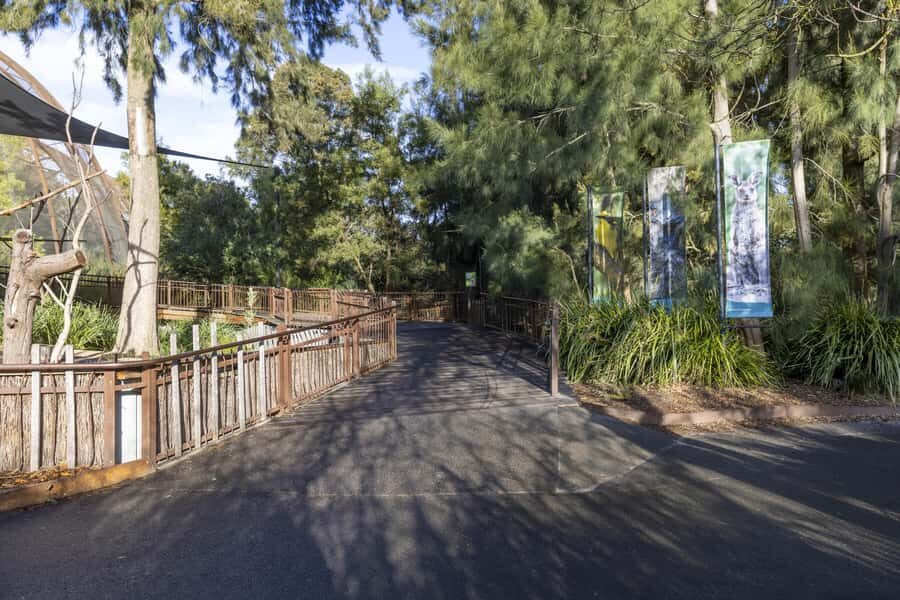
The tour meets at 7:55am at the main gate entrance, then departs at 8:00am. You’re getting into the Zoo before the general public arrives, and that extra calm matters. Animals often respond better to quieter spaces, and you’ll get better viewing without the shuffle of big tour groups.
Also, this is a 45-minute experience. It’s short enough to fit into a bigger day in Melbourne, but structured enough that you won’t spend your morning chasing exhibits. You’re guided to the stops that make sense for seeing wildlife right as it wakes up.
Koalas Karri and Waru: The Best Starter Stop for Animal Time
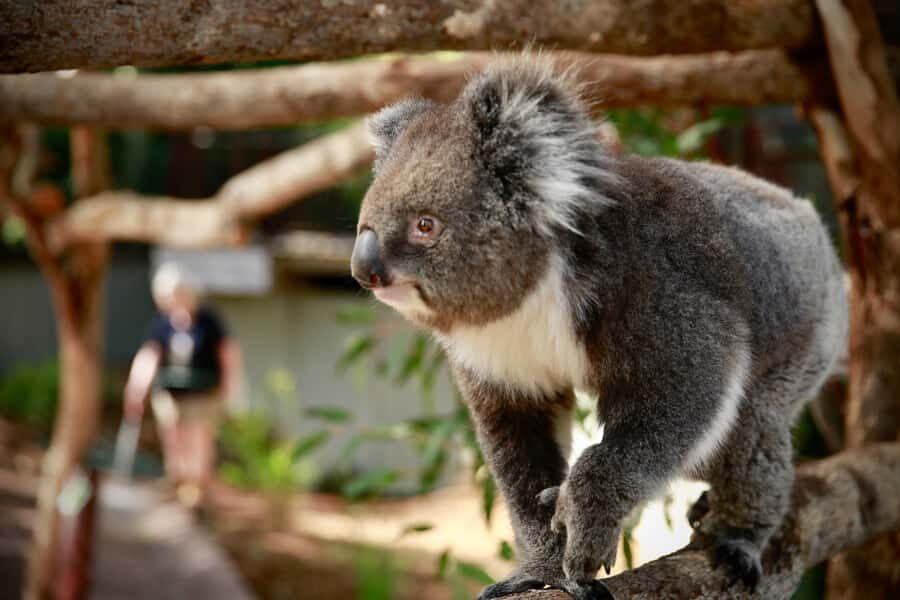
Koalas are usually a highlight, but they can be a lesson in patience if you show up later in the day. Here, the tour takes you to Karri and Waru as they wake up, which helps you see them as living animals rather than just distant shapes in trees.
This stop works for two types of visitors. If you’re a first-timer, it gives you a simple entry point into the Zoo’s Australian wildlife focus. If you’ve been to zoos before, you’ll appreciate that the schedule targets the moment when animals are most likely to be moving.
One practical point: koalas can be sleepy even in the morning. That said, seeing them during their active waking period generally gives you more eye contact and more body movement than you’d get after the Zoo is fully open.
Back-of-House Kangaroos: Getting Close to Breakfast-Time Behavior
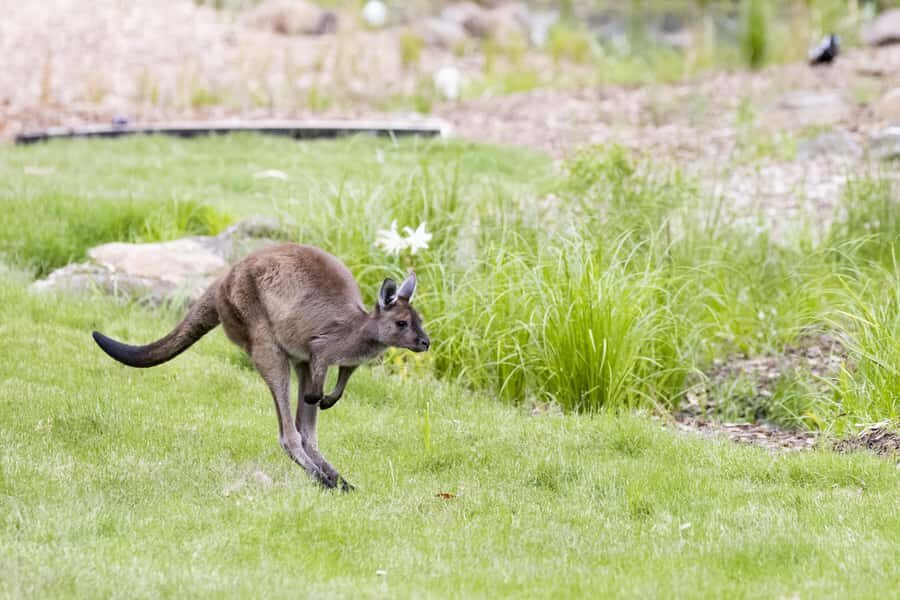
The heart of this experience is the kangaroos. Instead of a standard “watch from over there” setup, you’ll hop into a behind-the-scenes kangaroo exhibit experience that feels more intimate and practical.
This is where you’ll also get the keeper perspective—how they care for animals day-to-day, and why certain routines matter. In the reviews, the kangaroo time is repeatedly described as standout, including moments when the animals were having breakfast. That’s the kind of detail that turns a photo stop into actual observation.
With kangaroos, timing can shift what you notice. Early in the day, you’re more likely to see natural movement, feeding behavior, and social interactions. A regular visit might catch you at the tail end of that routine. This tour is aiming right at the start.
There’s another subtle benefit: because the group is limited to 10 participants, you can get better viewing positions and ask questions without feeling like you’re in a crowd-control situation. If you like learning how animals are managed, this is the stop to pay attention.
Wallabies, Tamar and Swamp Species, Plus Wombats Underground
After kangaroos, the tour adds two more layers of “Australia, but different.” First up is the chance to see Tamar and Swamp wallaby species. If you’re lucky, you’ll get to spot them during the tour, and this portion is designed as an add-on that keeps the morning from feeling one-note.
Wallabies are often easier to miss than kangaroos because they can be more low-key in their movement. That’s exactly why a guided early tour helps. You’re not relying on luck alone—you’re being directed to areas and timing that can improve your odds.
Then comes the most unusual stop: the underground, nocturnal world of wombats. Getting to explore their burrows adds variety to the whole program because it’s not just another “look at the animal” moment. It’s about how wombats live—what their cozy space is like and what you’re really seeing when you see them above ground.
Wombats are naturally associated with burrows, and most Zoo visits don’t give you much sense of that underground life. Here, you’re walking into the idea of their nighttime world, which makes the experience feel more like learning than sightseeing.
If you’re bringing kids (who are old enough), this underground element is usually the part that sparks the most questions. And if you’re an adult wildlife fan, it gives you something to talk about that goes beyond species names.
Great Flight Aviary: The Birds You Hear Before You See
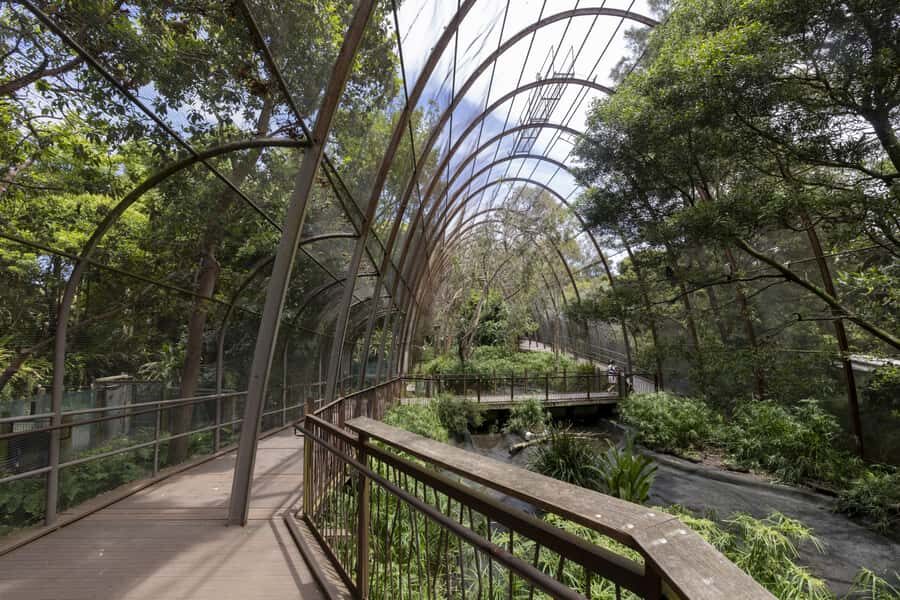
You’ll finish in the Great Flight Aviary, where the focus shifts from mammals to birds. This is where the tour leans into sound as much as sight. You’re paying attention to the melodies of native marine, rainforest, and bushland bird species—basically, birds from different Australian habitats rather than a single “theme.”
This stop can be a fun surprise if you like birdwatching without the pressure of being an expert. You might see rainbow lorikeets, you might spot bower birds hiding their blue treasures, and you might even get a laugh out of kookaburras. The exact mix depends on what the birds are doing that morning, so the experience stays fresh.
Birds also reward early visits. In the first hours of activity, vocal behavior is often strongest. That means you’re more likely to catch calling and movement that you might miss later, when the Zoo is louder and animals are settled into a slower rhythm.
Also, the aviary works as a nice closing act. You’ve spent the morning with wombats underground and kangaroos and koalas up close. Ending with birds gives your brain a different kind of “wildlife reading.”
Price, Timing, and Ticket Setup (A Meeting-Point Tip That Saves Time)
The ticket price is $65 per person, and the duration is 45 minutes. The big value question is whether you’d spend that money to add an early guided layer on top of your regular Zoo day.
Here’s how I think about it: you’re not paying just for entry. You’re paying for before-opening access, multiple guided animal encounters, keeper-style interpretation, and a small group cap. If you were going to tour the Zoo anyway, this experience is a time-saver and a quality upgrade, because it directs you to the right places at the right moment.
But you do need to plan for the extra expense: Zoo general admission is not included. You’ll want to book your Zoo ticket for the same date as your guided encounter, so you aren’t scrambling on arrival day.
One more practical note comes from real-world confusion: some people received different instructions about where exactly to meet. The tour is set to meet at 7:55am at the Melbourne Zoo main gate entrance. I’d follow the clearest written meeting point you have and arrive early enough to confirm with staff on site.
Who This Small-Group Tour Is Best For
This tour is listed as not suitable for children under 5, which makes sense given the early start and the active time spent moving between animal areas. If you have kids 5 and up, the mix of koalas, kangaroos, and the underground wombat experience is a strong hit rate.
It’s also a great choice if you like animal care and conservation stories more than you like “standing in lines.” The guided format means you’re not just seeing animals; you’re hearing why keepers care for them in specific ways.
Because it’s limited to 10 participants, it suits small families and solo visitors who want a calmer experience. If you prefer big crowds and free-form wandering, you might find the structured 45 minutes a bit intense. But if you want your morning to mean something, this format fits well.
And if you’re doing only one Zoo-focused activity during your Melbourne trip, this is a smart way to get a packed experience without losing your whole day to logistics.
Should You Book This Melbourne Zoo Wildlife Experience Ticket?
Book it if you want an early-morning, animal-focused experience with a real chance to see behaviors while animals are just starting their day. You’re paying for time with animals, keeper-style context, and a behind-the-scenes feel that’s hard to recreate on your own—especially with kangaroos and wombats.
Skip it (or reconsider) if you’re mainly after a relaxed, self-guided Zoo stroll, or if you’d rather spend the full day moving at your own pace. Also, factor in the separate Zoo admission ticket, since the $65 is only for the guided encounters.
If you’re the kind of traveler who wakes up for good light and better odds, this is a solid way to turn Melbourne Zoo into a morning you’ll remember, not just a location you checked off.
FAQ
What is the duration of the Melbourne Zoo Australian Wildlife Experience tour?
The tour lasts about 45 minutes.
Where do I meet, and when does the tour depart?
You meet at 7:55am and the tour departs at 8:00am from the Melbourne Zoo main gate entrance.
Is Melbourne Zoo general admission included with this ticket?
No. Zoo entry is not included, so you’ll need to book your general admission ticket separately for the same date.
Which animals and areas are included?
The tour includes koalas Karri and Waru, a behind-the-scenes kangaroo exhibit experience, a chance to see Tamar and Swamp wallaby species, wombats in their underground burrows, and entry to the Great Flight Aviary with native bird species.
Will I definitely see the wallabies and which types?
The experience includes an encounter with Tamar and Swamp wallaby species, but it’s described as a possibility if you’re lucky.
Is this tour suitable for young children?
It is not suitable for children under 5 years.
How many people are in the group?
The group is small, limited to 10 participants.
Is there a live guide, and what language is it in?
Yes, there is a live English tour guide.
Is the tour wheelchair accessible?
Yes, it’s listed as wheelchair accessible.
]]>My second favorite part is the way the site brings Ned Kelly’s story into physical places you can stand in—then follows it right to the gallows and his death mask.
One thing to consider: the audio guide is app-based, and a prior visitor wished it offered audio playback in your chosen language rather than text only. So if language comfort matters, plan to double-check the audio settings on your phone.
Key highlights worth prioritizing
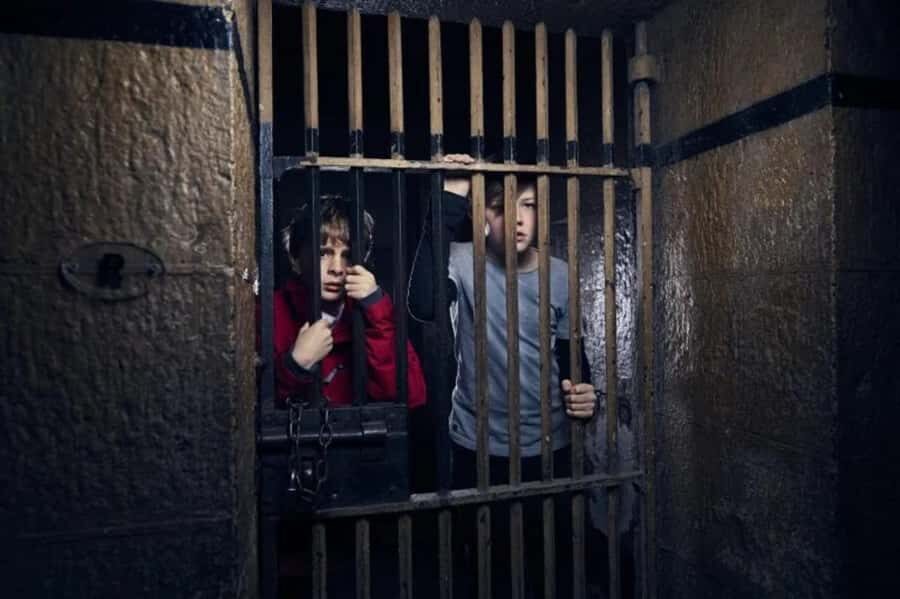
- Original cells that make the punishment feel concrete, not abstract
- Ned Kelly artifacts tied to the gallows story and his death mask
- Gallows display referencing over 100 people who met their fate there
- Women and children displays that add a side of prison life many people skip
- Self-guided audio app so you control pace and attention
Stepping into Old Melbourne Gaol: what makes it work
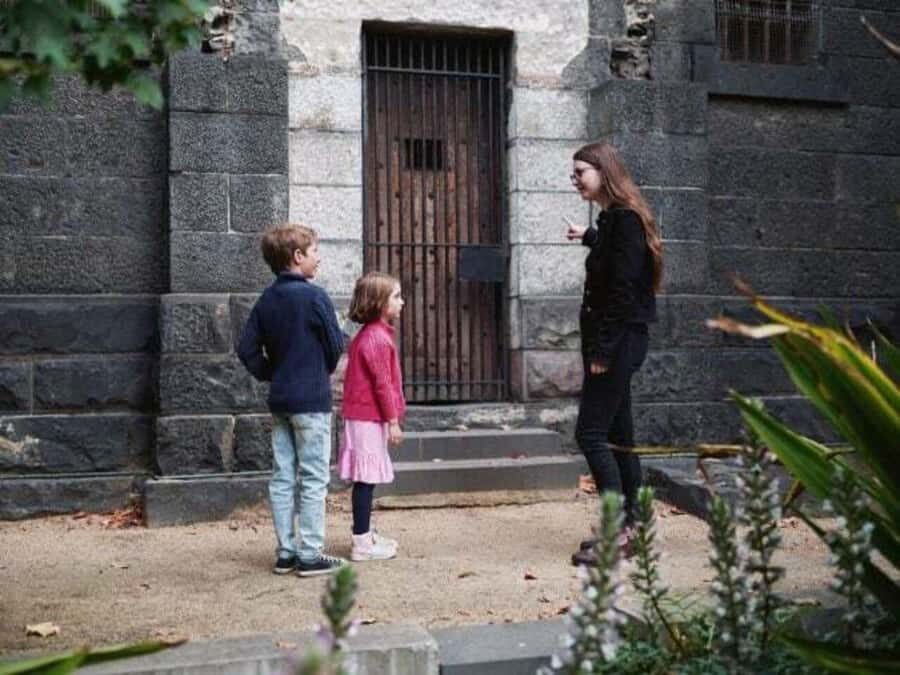
Old Melbourne Gaol is one of those places where the details do the talking. You don’t just read about crime and punishment—you move through the spaces where that drama happened. The result is a strong mood right from the start, the kind that makes you lower your voice without thinking.
What I appreciate most is how it connects big-name notoriety to everyday confinement. Ned Kelly is front and center, sure, but the gaol isn’t treated like a one-story attraction. The site also looks at the women and children who were held there, which changes the whole emotional tone. It’s not only about villains getting their comeuppance; it’s about a justice system that shaped families.
And because it’s self-guided with an audio app, you can spend more time where you care—cells, artifacts, or the human side of incarceration—without being herded along.
Self-guided access with an audio guide app: your best way to do it

This is a self-guided visit. You get access to explore the gaol and the chance to download an audio guide app before you go (the ticket includes access to the app). That means there’s no requirement to match a group pace, which is a big plus if you like reading slowly or moving quickly when a room feels repetitive.
Here’s how I’d use the app to get the most value:
- Start with the first sections and let the audio help you understand the site layout.
- Follow the story in the order it’s presented, especially when you’re moving toward the gallows area. That keeps the “cause and effect” clear.
- When you hit sections about women and children, pause for a moment and read/view the displays before moving on. Those parts tend to land hardest when you give them time.
Practical tip: audio guides often work best with headphones. If your phone battery is low, bring a portable charger. Also, since one visitor specifically hoped for audio in their selected language rather than text only, I recommend checking your app’s language and audio playback options before you start walking through.
Entering the cells: why the gaol feels so close
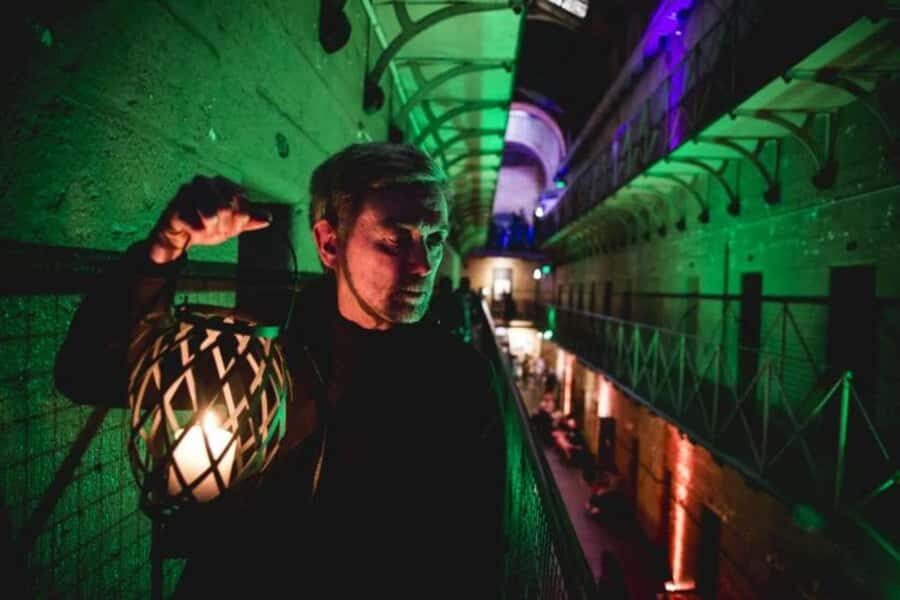
The heart of Old Melbourne Gaol is the cell experience. Even if you know the headlines about historic crime, walking through cells changes the scale. Doors, spaces, and sightlines make the idea of confinement physical.
As you move through, pay attention to how the cells are presented and how the exhibits connect artifacts to events. The gaol doesn’t treat objects like props. It links them to people and outcomes, which is what makes it more memorable than a generic “look at old stuff” stop.
What’s especially effective here is how the mood supports the storytelling. The atmosphere turns your attention inward. You naturally start imagining routines—waiting, movement restrictions, and the uncertainty of what came next. That’s where the visit earns its reputation as eerie and surreal, because the gaol architecture carries emotion on its own.
If you prefer clarity, focus on one question as you go through: how did the gaol control movement and behavior? The displays tend to answer that from multiple angles.
Ned Kelly’s trail through the gaol: gallows, story, and the death mask
Ned Kelly is the magnet, and the gaol uses that pull intelligently. You don’t just get a name drop. You get a route that ties his story to the physical place where sentences played out.
The standout stop is the gallows area. The displays reference that over 100 people met their fate there. That number matters because it shifts the focus from one famous outlaw to the system that processed many—showing how public execution was used as both punishment and warning.
Then comes the moment many people come for: Ned Kelly’s death mask. Seeing it in context—not floating in a timeline somewhere far away—makes the story feel less like folklore and more like a recorded end point of a real case.
A good way to experience this section without getting overwhelmed is to pace yourself. Take in the gallows display first, then look at the mask as a specific artifact tied to the broader narrative. That keeps the experience from turning into shock only. You get a fuller understanding of how the gaol represented justice in a time when that justice was meant to be seen.
Women and children displays: the side of prison life that hits differently
Not every historic prison attraction gives attention to women and children. Old Melbourne Gaol does, through special displays that trace their history. This changes how the whole place feels.
When you reach these exhibits, treat them like a separate story. The tone is not the same as the outlaw-and-gallows section. Instead of focusing on a single dramatic case, the displays remind you that incarceration didn’t only reshape the men in the criminal spotlight. It affected families—people who weren’t always central in the public narrative.
I also like the way the gaol handles this as part of the same site rather than as a side room. It reinforces a key idea: a gaol is not only about executions. It’s a machine that processed real human lives in multiple forms.
If you’re someone who tends to focus on “big names,” this is the part that broadens your perspective. Give it a little extra attention and you’ll leave with a more complete understanding of the place.
Price and value: is $35 worth it?
The ticket price is $35 per person for a one-day self-guided experience with a downloadable audio guide app and a National Trust souvenir. On paper, that’s not “cheap,” but value here depends on how you like to travel.
I think it’s good value if:
- You enjoy historical sites where the atmosphere helps the story make sense.
- You like taking time and reading/viewing rather than rushing.
- You want more than one theme—cells plus the women and children displays, not only the Ned Kelly highlight.
The included souvenir also matters in small ways. You’ll receive a National Trust item such as a tote bag, keyring, or stuffed toy. It’s not the main reason to go, but it’s a neat add-on that marks the visit as part of the National Trust of Australia (Victoria) experience.
If you’re the type who hates audio apps and prefers a human guide telling the story, this might feel less satisfying. Since it’s self-guided, you’ll rely on your own pace and the app for interpretation.
Getting there from Melbourne Central and the City Circle Tram
Location is convenient. The Old Melbourne Gaol is a short walk from Melbourne Central Station. If you prefer tram travel, you can use the free City Circle Tram and get off at stop number seven on the corner of La Trobe and Russell Streets.
That matters because it makes a gaol visit easier to fit into a day. You’re not stuck planning a full half-day of transit around it. Even better, you can pair it with other nearby stops before or after without stressing over complicated logistics.
I suggest keeping your phone charged and your route simple. Once you’re inside, the experience is about following the story through the spaces, not about navigating complicated routes.
Accessibility and pacing: what to expect on the ground
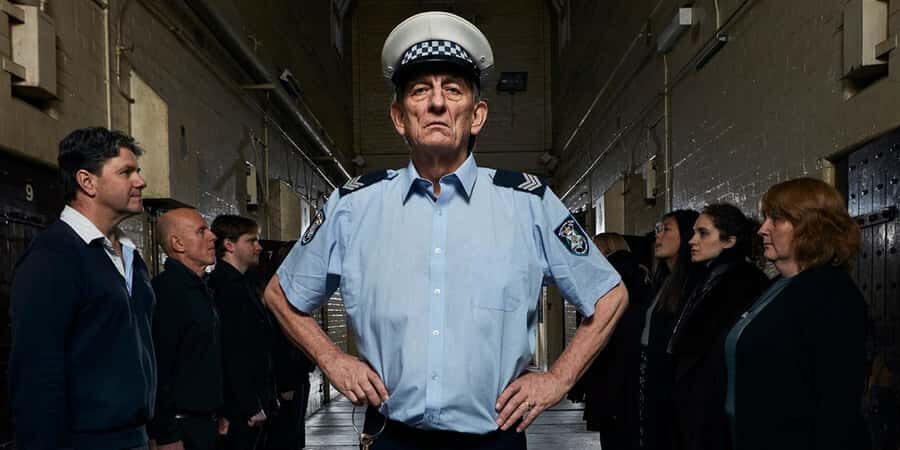
There’s partial wheelchair accessibility, and some areas may limit access. Since it’s a self-guided route through older structures and different spaces, the best move is to be flexible with how far you can go and how long you want to spend where access is easier.
Pacing is entirely yours. That’s a strength, but it also means you should decide what kind of visit you want:
- If you want the full emotional range, linger in cells and then spend meaningful time on women and children displays.
- If you mainly want the most famous elements, prioritize the gallows area and Ned Kelly’s death mask, then loop back to anything you missed.
Should you book Old Melbourne Gaol?
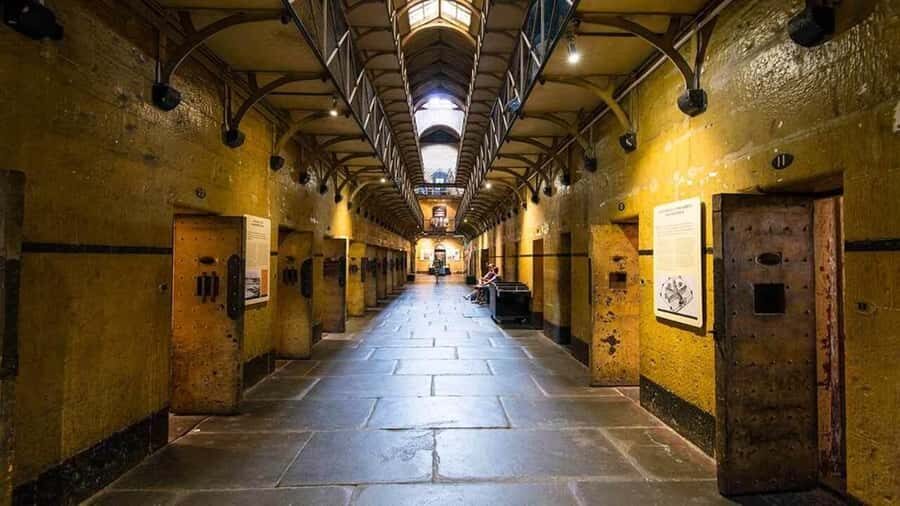
I’d book this if you like historic sites where the environment supports the facts. The ticket gets you self-guided access, an audio guide app, and a National Trust souvenir—and the content covers more than just the headline outlaw story. The gallows area and Ned Kelly death mask are the obvious anchors, but the women and children displays are what make the visit feel broader and more human.
You might think twice if you strongly need a spoken guide in your preferred language on the spot, since there’s at least one indication that audio in the chosen language may not be available the way you’d expect. Also consider that wheelchair access is only partial, with some areas possibly limiting movement.
If you want one-day value, a striking atmosphere, and a route that connects infamous cases to real human consequences, this is a solid pick in Melbourne.
FAQ
How much is the Old Melbourne Gaol entry ticket?
The entry ticket price is $35 per person.
How long is the experience?
The activity is listed as lasting 1 day, and it’s self-guided, so you can move at your own pace within that visit.
Is this a guided tour with a person or self-guided?
It’s self-guided access to the gaol.
Is there an audio guide?
Yes. The ticket includes access to download an audio guide app.
What souvenir is included?
A National Trust souvenir is included, such as a tote bag, keyring, or stuffed toy.
Where do I go to start?
The gaol is a short walk from Melbourne Central Station. You can also use the free City Circle Tram and get off at stop number seven at the corner of La Trobe and Russell Streets.
Is the attraction wheelchair accessible?
Accessibility is partial for wheelchairs, and some areas may limit access.
Can I cancel for a refund?
Yes. You can cancel up to 24 hours in advance for a full refund.
Is there a reserve now, pay later option?
Yes. You can reserve now & pay later, keeping your travel plans flexible by paying nothing today.
]]>I love that the tour hits the full mix: a koala presentation, then kangaroos and emus, then you actually go underground for the wombats. I also like the ending at the Great Flight Aviary, where you get to focus on native birds by sound and colour instead of just spotting from a distance.
One thing to think about: this ticket is excl. general admission, so if you want to roam the rest of Melbourne Zoo afterward, you’ll need to add entry. Also, 45 minutes is great for a snapshot, but it won’t cover every animal in the zoo.
Key things to know before you go
- Before-hours access at 8:00am means a calmer start and animals more active early on.
- Small group size (max 10) helps you ask questions and actually hear the guide.
- Koala talk sets the tone with quirky facts and an easy way to connect the animals to their habits.
- Back-of-house kangaroo time gives you a closer, more human-feeling look at rangers and feeding moments.
- Underground wombat burrow lets you see habitat design for an animal that can weigh over 30kg.
- Great Flight Aviary finish spotlights native birds such as red-tailed black cockatoos, wonga pigeons, apostle birds and jabiru.
Why this 8am start feels different at Melbourne Zoo

Most zoo days start when the place is already humming. This one starts early, with before-hours access so the animals are still shifting from sleepy to active. That small change matters. You’re more likely to see natural routines instead of only midday rest-mode.
The tour runs about 45 minutes, with a tight route built around a handful of habitats. That’s a plus if your time in Melbourne is short, or if you’d rather spend your energy looking at a few things closely than sprinting all day. With a group capped at 10 people, the experience stays controlled, and you’re not fighting for sight lines.
The flip side is that it’s short. You will not see every corner of Melbourne Zoo on this ticket alone. If you want the full zoo experience, you’ll need to plan on adding general admission and continuing at your own pace after the tour.
The koala presentation: your fast track to understanding them

The tour begins with a koala presentation led by the guide and staff. This is one of the best “value-per-minute” parts because it gives you a mental map before you start looking around.
Koalas are easy to spot at a zoo, but harder to truly understand. A good talk turns your viewing from I see an animal into I get the habits behind it. Expect quirky facts and practical context about how they behave and why they act the way they do. That makes later sightings feel more meaningful, even when you’re not staring at the same koala for long.
This section also acts like a warm-up for kids and adults. If you’ve got young ones, it keeps attention focused for the first stretch. If you’re an adult, it’s a nice way to learn without needing to read every sign first.
Kangaroos and emus up close, plus a feeding moment
Next comes the kangaroos and emus, with a chance to watch kangaroos during breakfast time if you’re lucky. That “if you’re lucky” matters, because wildlife schedules don’t run on your watch. Still, the tour is built around the idea that early-day feeding can be a lively moment.
Here’s what I like about this stop: you’re not only looking at animals behind glass or far away. You get a closer feel for how rangers care for them. You’ll also get the up-close kangaroo encounter tied to the back-of-house experience.
That behind-the-scenes element is where the tour earns its price. Zoo viewing is fun, but it can turn passive. A behind-the-scenes moment makes the whole day feel more real: you’re seeing people working with animals, not just animals sitting for visitors.
Potential drawback: because it’s a short tour, you won’t linger for long at each enclosure. If you’re a big kangaroo fan, you may want to add general admission afterward so you can re-visit your favourite area at a slower pace.
Going underground for the wombat burrow

Then you head underground to the wombat’s burrow. This is one of the most unique parts of the route because it shifts the experience from “look at animals” to “understand habitat.”
Wombats don’t just live in a space. They shape it through burrowing behaviour, and the tour’s focus on the burrow helps you grasp why it matters. The information you get also highlights scale: wombats can weigh over 30kg, which is a helpful detail when you’re trying to picture what you’re looking at.
If you’re traveling with kids, this stop tends to land well because it feels like a mini-adventure. It also works for adults who like animal behaviour rather than only appearance. The burrow viewpoint makes you think in terms of shelter, movement, and daily routine.
The only catch is timing: because the tour is about 45 minutes total, the underground portion is likely to be brief. Think of it as a smart introduction, not a full, hour-long education session.
Great Flight Aviary: birds you hear before you see

The tour ends with a walk through the Great Flight Aviary, and this is a strong finish. Aviaries are often about colour, but this one is also about sound and movement, which makes bird-spotting more satisfying.
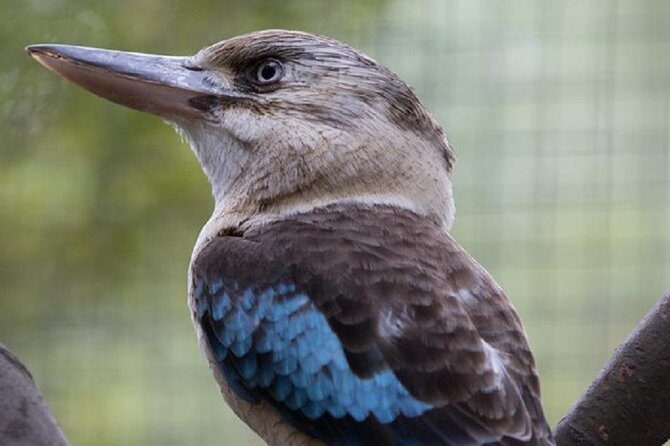
You’ll be watching for native birds including red-tailed black cockatoos, wonga pigeons, apostle birds and jabiru. Even if you don’t know bird names now, you’ll start recognising calls and patterns. That means you’re not relying only on luck; you’re learning how to read the space.
This final stop is also a good way to round out the morning. Early you focused on bushland mammals (koalas, kangaroos, emus, wombats). Late in the tour you switch to flight, perching and vocal calls. It keeps energy up and gives you variety without increasing the length of the tour.
Price and entry reality: $71.01 plus zoo admission
The tour price is $71.01 per person, and it’s excl. entry. That part is crucial for value.
If you buy this ticket expecting it to function like a standard zoo entry pass, you’ll feel shorted. This is a guided, structured 45-minute experience. It’s best when you treat it as a specialty add-on to your zoo day, not the entire day.
So how do you judge value? Look at what’s included:
- A professional guide
- A koala talk
- A kangaroo up-close encounter tied to the back-of-house area
That combination is what you’re paying for: interpretation plus access. If you’re paying also for entry anyway, this tour can feel like getting more than just “tickets to see animals.”
If you don’t plan to stay at the zoo after the tour, the maths changes. You’re paying for a guided snapshot and leaving once it ends. In that case, make sure you’re okay with short-and-sweet.
Also note: the tour uses a mobile ticket. That’s convenient, especially when you’re moving through public transport and zoo gates.
Practical tips that make the morning smoother
This runs in all weather, so don’t assume you can wing it. Melbourne mornings can be cool, damp, or breezy. Bring a layer and a light rain shell if you have one. The tour also requires covered shoes. It’s a small rule, but it matters once you start walking and moving between habitats.
Group size is limited, with maximum 10 travelers per booking, so the experience stays tight. That’s good for attention and questions, but it also means you’ll feel the pace. If you’re someone who likes to stop and read every sign, build in time either before or after the tour when you have full freedom.
One more logistics note: the tour meets at Melbourne Zoo, Elliott Ave, Parkville VIC 3052, starting at 8:00am. Aim to be there early enough to settle in and find the right place. If you’ve ever had a travel ticket specify one entrance and reality uses another, you already know why this matters.
Who this early wildlife tour is best for
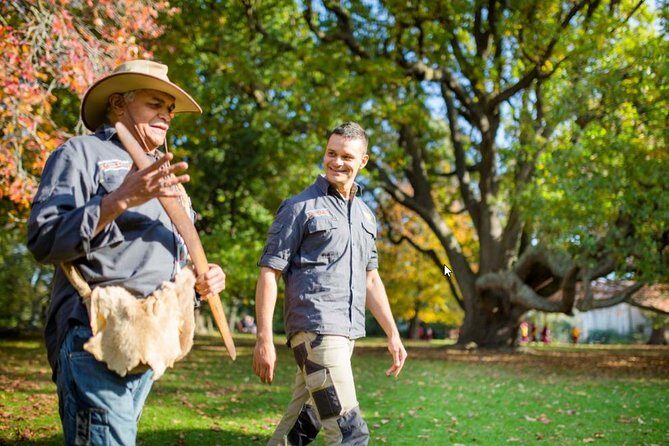
This tour fits best if you want:
- A zoo experience that’s guided and structured rather than “wander and hope”
- A close look at kangaroos without needing to hunt for back-of-house moments
- A quick, high-information route for a short visit to Melbourne
It also works well for families. The pace and animal variety keep things moving, and kids usually enjoy the wombat burrow and bird aviary sections. Just remember the rule: children must be accompanied by an adult.
If you’re a serious “see-everything” zoo person, this tour still helps, but treat it as a warm start. Then add general admission so you can slow down for your personal favourites afterward.
If you dislike early mornings, be honest with yourself. The 8:00am start is a commitment, even if the payoff is a calmer, more active zoo environment.
Should you book this Australian Wildlife Tour?
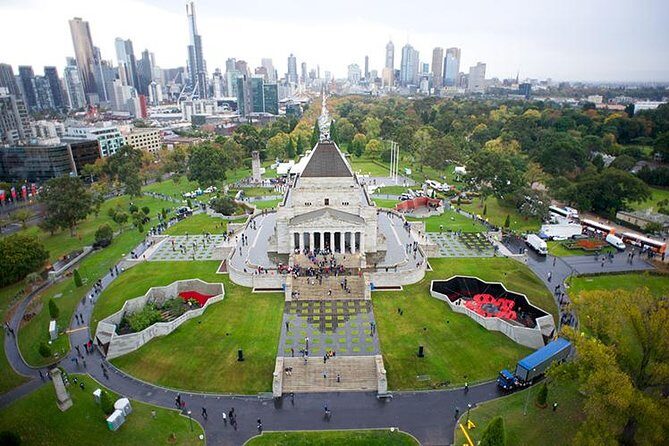
I’d book it if you’re the type who likes animals plus explanation, and you want a more intimate look at kangaroo care than standard viewing usually offers. The combination of koala talk, kangaroo up-close encounter, and the underground wombat stop gives you more than a typical zoo stroll, even though it’s only around 45 minutes.
Skip it (or think twice) if you’re only after a general zoo ticket and you plan to spend the whole day wandering. In that case, you might do better spending that money directly on entry and then using your own time to set the pace.
Finally, be aware of the commitment level: it’s non-refundable and can’t be changed if plans shift. If your schedule is flexible, you can plan around the 8:00am slot. If it’s tight and uncertain, double-check your timing before you lock it in.
FAQ
Is general admission included with the Australian Wildlife Tour?
No. This ticket is excl. entry. General admission can be added so you can re-enter Melbourne Zoo.
How long is the tour?
The tour duration is about 45 minutes.
What time does the tour start?
The start time is 8:00am.
How many people are in a booking?
The tour has a maximum of 10 travelers per booking (and a minimum of 2 people).
Do I need covered shoes?
Yes. Covered shoes must be worn.
Does the tour run in bad weather?
It operates in all weather conditions, so dress appropriately.
]]>One thing to plan for: the ticket covers entry only. Food and drinks aren’t included, so you’ll want to budget time and money for a break between galleries.
Key highlights at a glance
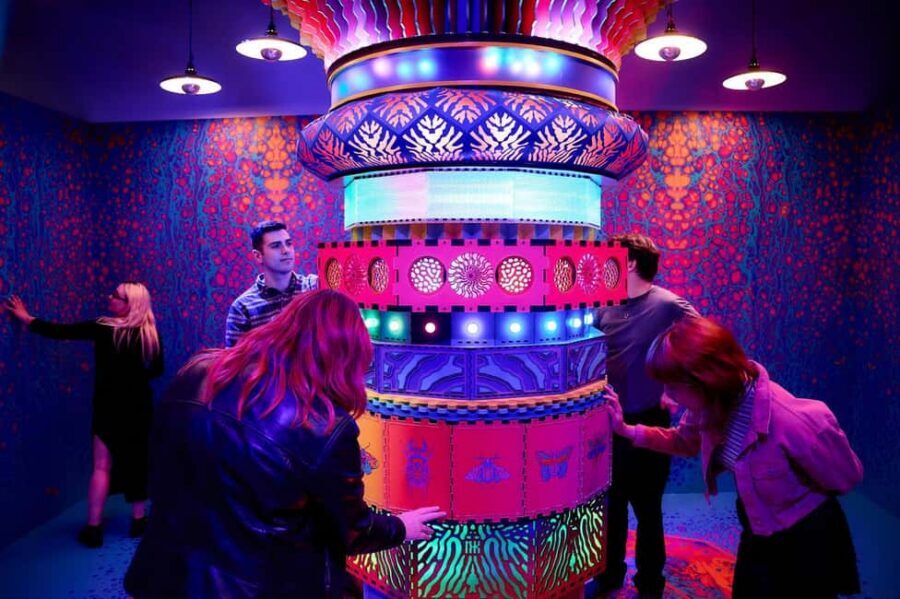
- Historic setting inside the Old Customs House (big for atmosphere and context)
- Temporary exhibition Joy included, available until 29 August 2025
- Permanent exhibitions that connect migration to identity and belonging
- Discovery Centre + Community Gallery designed for learning and reflection
- First-floor library resources, including immigration history books organized by country
Entering Melbourne’s Old Customs House (and why the building matters)

You can treat the Immigration Museum like a standard museum ticket, but I think it’s stronger when you treat the building like part of the story. The Immigration Museum sits in Melbourne’s Old Customs House, a location that naturally fits the theme of movement, paperwork, arrivals, and entry—without needing extra explanation.
As soon as you’re inside, the setting helps you slow down. Migration is emotional, and the museum doesn’t rush you toward a single lesson. Instead, you’re guided through ideas of identity, migration, community, and belonging in a way that feels human rather than academic. Even if you only have a day, it’s the kind of place where you’ll remember details because they’re tied to real journeys.
If you’re pairing this with other Melbourne sights, I’d put it somewhere in the middle of your day—not right after a long walking stretch. This museum works best when you can sit with what you’re reading and looking at.
What you get for $10: value in a single museum day

At $10 per person, this entry ticket is priced like a bargain compared with many big-city museum add-ons. The real value isn’t just the price—it’s what the ticket unlocks.
Your admission includes access to:
- Permanent exhibitions
- The Discovery Centre
- The Community Gallery
- The temporary exhibition Joy (available through 29 August 2025)
That combination matters. If you go, you’re not stuck in one “type” of exhibit. You’ll have personal stories (good for empathy), interactive learning spaces (good for kids and curious adults), and areas designed for reflection and community context.
The other value point: it’s one day. You don’t need a complicated schedule. You just need enough time to move at a comfortable pace and return to the parts that grab you.
Just keep your expectations honest. This isn’t a fast, checklist-style stop. It’s more of a thoughtful hour-by-hour experience.
The temporary exhibition Joy (timed perfectly for planning)
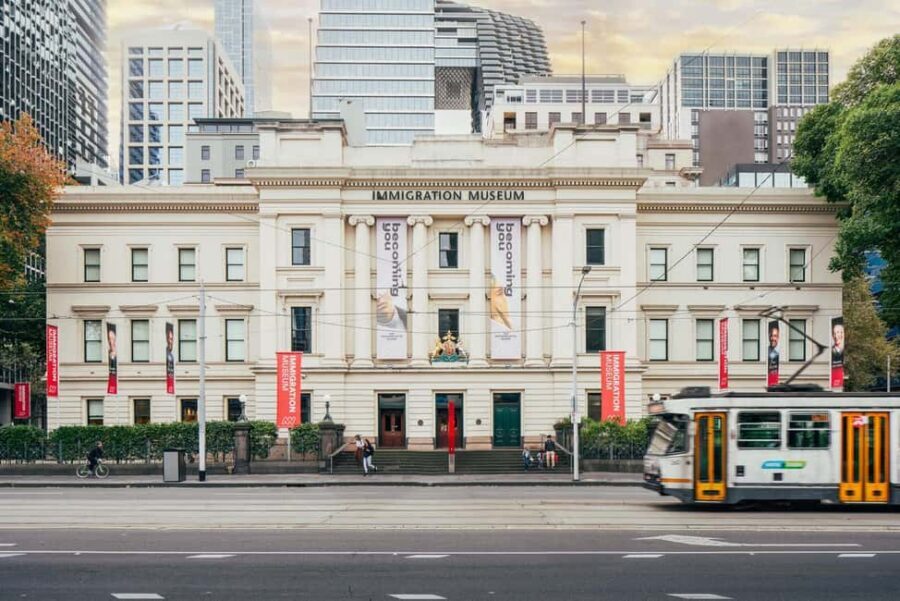
Temporary exhibitions are often hit-or-miss, but Joy is worth centering your visit around because it’s included in your ticket and scheduled until 29 August 2025.
Here’s what I’d focus on while you’re there: joy as something more than a mood. In a museum like this, joy usually comes attached to family, hope, rebuilding, and the daily work of making a life in a new place. Even if you’re not in the headspace at first, the way the museum connects emotions to migration and community can shift your perspective.
Practical tip: give Joy a dedicated chunk of time. Don’t treat it as a quick detour. If you do, you’ll skim. If you slow down, you’ll notice the little connections between objects, stories, and themes.
Permanent exhibitions: how the museum tells migration without flattening it
The core of your visit is the permanent collection, which weaves together migration and identity. The museum’s approach is built for understanding, not shock for shock’s sake.
You’ll find thoughtfully arranged galleries designed to connect:
- Individual journeys
- Community resilience
- The feeling of finding a place to call home
This is where you’ll likely spend the most time. The key is to move in loops: read, look, then come back. Museums often have you reading from wall text to the next wall text, but here it’s easier to absorb when you don’t sprint.
Also, pay attention to how the museum frames “belonging.” It’s not one simple story. It’s the experience of becoming part of a community while also keeping pieces of your origin.
If you like museums that make you think but still give you something concrete to hold onto, this is a good match.
The Discovery Centre and Community Gallery (learning that doesn’t feel like homework)
One of the smartest parts of the ticket is that it includes spaces beyond the main galleries. The Discovery Centre and Community Gallery are set up to help you engage with cultural diversity through activities and interpretation.
For you, that usually means two benefits:
- You’ll understand the themes without relying only on reading.
- The experience becomes easier to share with different ages.
And yes, this kind of museum also works well if you’re traveling with kids. In the wider mix of exhibitions, there are interactive elements—like the iPads used in exhibitions such as Notre-Dame—that help younger visitors stay engaged while still learning.
When you’re in these areas, don’t just “pass through.” Pause at the interactive or reflective components. This is where you’ll often get a clearer personal takeaway because you’re doing something, not only observing.
A special stop: the first-floor library for country-by-country context
There’s a small but powerful detail that can upgrade your whole visit: the library space on the first floor with immigration history books organized by country.
If you already have an ancestral link—family from a specific country, or you’re just curious about a region—this is the section you’ll wish you gave more time. Even a quick scan can help you connect the museum stories to broader historical context.
I like using this as a strategy:
- Spend your first pass through the galleries getting the big themes.
- Then come to the library and choose one or two countries to explore.
- After that, return to the exhibits with sharper questions.
It turns the museum from a general experience into a more personal one.
Timing your visit for a calm pace (and no food stress)
You’ve got a 1-day ticket, and the museum schedules starting times based on availability. So build your visit around a time when you can concentrate.
I suggest planning for a full museum stretch rather than a rushed sprint. You’ll want time for:
- Permanent galleries
- The Discovery Centre and Community Gallery
- Joy
- Extra reading time in the library area if you’re curious about specific countries
And remember: food and drinks aren’t included. That doesn’t mean you can’t eat well nearby, but it does mean you should plan a break instead of hoping the museum covers it. If you go hungry, you’ll skim. If you take a short break, you’ll actually absorb what you’re seeing.
Who this experience is best for
This museum is a strong fit if you care about human stories, community, and how people build belonging after migration. It’s also a good choice if you want culture and history without feeling like you’re stuck with only dates and timelines.
You’ll especially enjoy it if:
- You like museums that mix emotion with context
- You want to understand migration through real individual journeys
- You’re traveling with children and want interactive learning options
- You’re curious about immigration history and specific countries (the library helps)
If you prefer only light, upbeat entertainment, the museum themes may feel heavy. But if you’re open to thoughtful reflection, it’s likely to land well.
Practical info you’ll want before you go
You’ll find the museum at Immigration Museum (Museums Victoria). That’s your meeting point, so it’s the one thing to double-check before you set out.
The experience is offered in English, and there’s an English host or greeter. The site is wheelchair accessible, which is important if you need step-free movement and comfortable pacing.
Should you book the Immigration Museum Entry Ticket?
I’d book it if you want a meaningful Melbourne stop that goes beyond surface sightseeing. For $10, you get a lot: permanent exhibitions, interactive learning spaces, and the temporary Joy exhibition through 29 August 2025. The price-to-content ratio is strong, and the historic Old Customs House setting gives the whole visit extra weight.
Skip it only if you’re short on time and want something purely upbeat and quick. Otherwise, this is the kind of museum that rewards your attention. Even if you start with general curiosity, you’ll likely leave with a more personal understanding of migration, identity, and community.
FAQ
How much does the Immigration Museum entry ticket cost?
The price is $10 per person.
Where do I go for the meeting point?
Go to Immigration Museum (Museums Victoria).
What does the ticket include?
Your ticket includes entry to the Melbourne Immigration Museum.
Is the temporary exhibition Joy included?
Yes. The temporary exhibition Joy is included, and it runs until 29 August 2025.
How long is the experience?
The ticket is valid for 1 day.
Do I get food or drinks with the ticket?
No. Food and drinks aren’t included.
Is there free cancellation?
Yes. You can cancel up to 24 hours in advance for a full refund.
Is the museum wheelchair accessible?
Yes, the experience is wheelchair accessible.
]]>Two standouts for me: the convenience of hotel pickup and drop-off, and the payoff of premium seating for the return of the little blue penguins at dusk. One thing to think about: this is a pricier tour, so it only really feels like great value if you’re traveling as a group (up to 6) or you strongly prefer a private, no-stress format.
Key Takeaways Before You Go

- Private custom tour for your party: You’re not squeezed into a big crowd rhythm.
- Premium Penguin Plus Viewing for sunset: Better odds of a satisfying, close-enough view.
- Coast stops like Cape Woolamai and The Nobbies: Scenic breaks that make the long day feel worth it.
- Comfort-focused transport: A private vehicle with bottled water keeps things easy.
- A dusk-focused plan: The timing is built around the penguins’ return, so plan for waiting in weather-ready gear.
Why This Private Phillip Island Penguin Day Feels Like a Local Trip

Phillip Island is famous for a reason, but the public setup can feel like a game of patience: find a spot, hold it, hope you can see. This tour flips the script by keeping the day exclusive to your group, with a guide focused on timing and comfort rather than moving bodies through lines.
I also like that it’s not only about one moment. You’re driving the coast with planned photo-and-view stops, so the day doesn’t end the second the penguins appear. That matters, because the “big moment” at dusk is great, but you’ll enjoy the whole experience more if the lead-up feels purposeful.
One more practical upside: you can ask for tweaks. The tour is described as custom, which usually means you can steer the day toward your interests during the planning and on the road.
Price and Tickets: What Your Money Buys (and Why It Can Still Be Worth It)
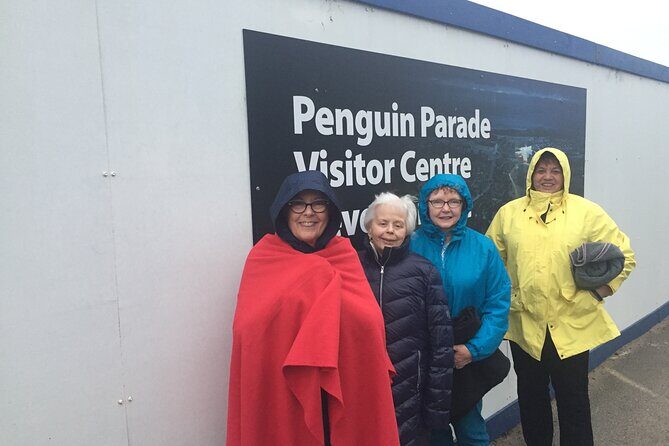
The cost is $1,935.84 per group, up to 6 people. On its face, that’s not the kind of number you casually say yes to. But when you break it down, you’re paying for a bundle: private guide time, private vehicle transport, hotel pickup/drop-off, bottled water, and premium viewing tickets for the sunset penguin parade.
Here’s the value logic I’d use: if you compare buying premium tickets plus renting transport plus paying for a guide-like experience to manage the day, this package can start to make sense fast. If you’re only two people, it’s still a premium spend—but you’re also paying for a low-friction day where you don’t have to coordinate timing, parking, and where you’ll end up for the best viewing.
The best way to judge value for yourself is simple. Ask: Do you want the penguins enough to pay for comfort and control, not just access? If yes, this tour is built for that.
Getting From Melbourne: Pickup, Private Transport, and Comfort That Matters
Hotel pickup and drop-off are included, and that’s a big deal when you’re leaving Melbourne for a full day. You avoid the stress of finding a ride, coordinating multiple cars, or worrying about getting back late. You also get a guide who can manage the timing around sunset, which is the whole point of the penguin parade.
Your transport is a private vehicle, and one of the standout notes from a recent review was that the van was very nice and comfortable. The review also praised Mark as an excellent driver, which matters more than it sounds when you’re doing a coastal drive and you want the day to feel smooth instead of tense.
Also helpful: bottled water is included. It’s a small cost saver, but it helps keep you from turning a relaxing outing into a last-minute trip to buy drinks.
The Penguin Parade at Sunset: Premium Viewing Plus the Right Timing
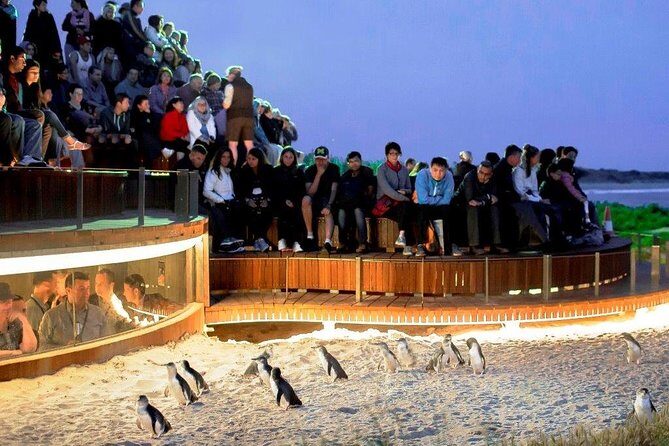
This is the heart of the day. The tour includes premium tickets for the penguin parade at sunset, described as Premium Penguin Plus Viewing Tickets. In plain terms, you’re not showing up and crossing your fingers about where you’ll stand. You’re assigned a better viewing setup designed for a satisfying look at the little blue penguins as they return at dusk.
The timing is important here. You’re making your way to Phillip Island in time for the parade, and the itinerary centers on dusk viewing. If you’ve ever tried to do this as a self-guided trip, you know the challenge isn’t getting to the island—it’s getting the timing and viewing position right.
One review called this the highlight of a Melbourne stay, and they specifically praised the penguin parade experience. That lines up with what the tour is selling: you’re paying to make the most important moment of the day as easy as possible.
The Nobbies Centre and Coastal Stops: Cape Woolamai Views Without the Grind

Between Melbourne and Phillip Island—and while you’re on the peninsula—you’re not just sitting around. The day is built around scenic coastal stops, including Cape Woolamai and The Nobbies.
The Nobbies Centre is scheduled as a dedicated stop (about 45 minutes). That’s usually the sweet spot for viewpoints and short walks: enough time to appreciate the scenery, not so much that you lose time right before the penguin parade. If you like photos with actual meaning (not just random snapshots), this part of the day will help.
One review also hinted at why this format works: the group stopped at several viewpoints, and the overall flow felt well-managed. That’s the kind of detail that makes a full-day tour feel like a day out instead of a checklist.
If you’re hoping for extras, keep it conversational with your guide. A review mentioned seal viewing would have been nice, but they weren’t sure it was feasible. That’s a good reminder that not every animal sighting can be guaranteed—so if you care about something specific, ask what’s realistic within the day’s timing.
A Practical Walk-Through of the 10-Hour Day
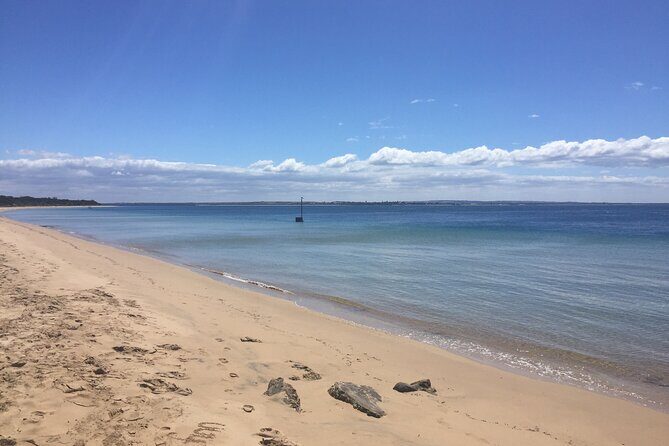
The tour is listed at about 10 hours. That may sound long, but it’s the normal rhythm for getting from Melbourne to Phillip Island, building in scenic stops, and then being in place for the dusk parade.
Here’s how the day feels, in logical order:
First, you meet at Mark’s Melbourne Private Tours area to kick things off and get your timing set. From there, the plan is centered on Phillip Island and the Penguin Parade experience. The schedule includes about an hour of time tied directly to the parade viewing, with admission included where specified.
Then there’s time on Phillip Island itself. The tour notes include viewing the little blue penguins return at dusk at the famous parade, which is the big moment you’re traveling for. If it’s windy or cold, don’t fight the weather—dress for it and settle in. The penguin viewing is the payoff.
Finally, you finish with The Nobbies Centre (about 45 minutes). Think of this as your scenic bookend: views on the peninsula after the main event. It helps the day feel complete, even if the penguin parade is short and intense.
Custom tours are often about the “shape” of the day, not the length of every stop. If you want more focus on one thing—more coast photos, less time in a centre—this is the kind of tour where you can ask and try to adjust.
Weather and What to Wear for Dusk Penguin Watching
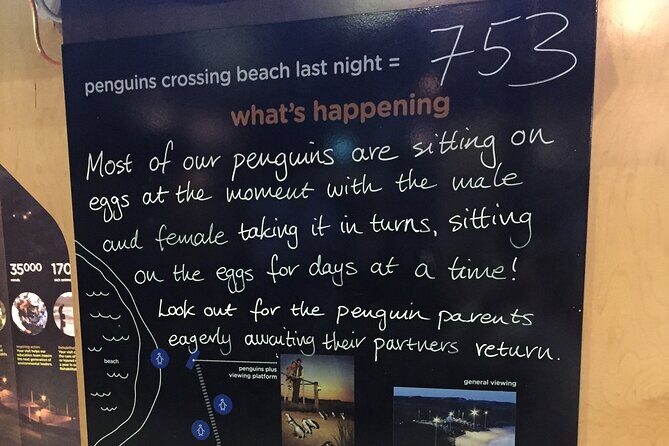
This tour operates in all weather conditions. That’s reassuring, but it also means you should plan for damp air, wind, and sudden chill—especially at dusk near the coast.
Dress appropriately, and don’t overthink it: layers work best. Wear shoes you can stand in comfortably for a viewing period, and bring something warm even if Melbourne feels mild earlier.
Also, keep your expectations realistic. Penguins are the main event, and the timing is built around dusk. If conditions are tough, the experience should still run, but your comfort level depends on what you wear and how long you’re ready to stand.
The Custom Part: How to Make It Fit Your Group

A private custom tour is more than a marketing phrase. For your day, it means you can steer how you spend the time—within what’s practical for getting to the parade and hitting the planned viewing stops.
For example, one review mentioned a koala sanctuary stop and praised how close the koalas were. That doesn’t mean every run is identical, but it does suggest this route can include wildlife-focused add-ons. If koalas are a priority, ask Mark what can be included on your date.
If your group has mixed interests, this flexibility is also helpful. One person might be all-in on penguins; another might want scenic viewpoints. The route includes places like Cape Woolamai and The Nobbies to cover the scenic side, and the premium tickets handle the wildlife moment.
Who This Tour Is Best For (and Who Might Skip It)
This tour is ideal if you:
- Want the penguins without doing the crowd scramble
- Care about premium viewing for the sunset parade
- Prefer private, guided transport with pickup and drop-off
- Are traveling as a group of up to 6, so the per-person value improves
- Want a full-day plan that includes scenic stops, not just one event
It might be less ideal if you:
- Are budget-first and happy with basic viewing options
- Don’t want to spend most of a day driving and waiting for dusk timing
- Prefer a completely self-guided itinerary with no guide involvement
For couples and small groups, I’d especially ask yourself whether you want comfort and timing management more than you want to save money. This tour is built for the people who would rather pay to reduce stress.
Should You Book This Private Penguin Tour?
If your heart is set on the Phillip Island penguin parade and you want the day to feel smooth, I think booking makes sense. The biggest reasons are simple: premium sunset viewing tickets, hotel pickup/drop-off, and a private guide who can run the day with less friction.
But don’t ignore the price. The tour is best value when shared across a group, and it’s a meaningful spend even then. If you’re going solo or as a couple and your budget is tight, you may want to compare against cheaper parade ticket options and self-drive plans.
My final advice is practical: if you book, take advantage of the custom angle. Ask your guide about fitting in the wildlife or stops that matter most to you (like the koala sanctuary style stop noted in reviews), and dress for dusk conditions so you can enjoy the moment rather than battle the weather.
FAQ
How long is the private Penguin Tour from Melbourne?
It runs for about 10 hours (approx.).
What does the tour cost, and how big is the group?
It costs $1,935.84 per group, up to 6 people.
Is hotel pickup and drop-off included?
Yes, hotel pickup and drop-off are included.
What tickets are included for the penguin parade?
The tour includes Premium Penguin Plus Viewing Tickets to the Penguin Parade at sunset.
Does the tour operate in bad weather?
Yes, it operates in all weather conditions. You should dress appropriately.
Is food included?
No. Food and drinks (including lunch) are not included unless specified.
Can I get a full refund if I cancel?
Yes. You can cancel up to 24 hours in advance for a full refund. Cancellation cut-off is based on local time.
Is this tour private or shared with other groups?
It’s private. Only your group will participate.
]]>I’m also a fan of the Sportsworks gallery, where you can leap, run, throw, and row. One possible catch to plan for: the Planetarium and Lightning Theatre have separate surcharges, and some experiences can be limited depending on what’s working that day or what sections require extra tickets.
Key highlights worth knowing
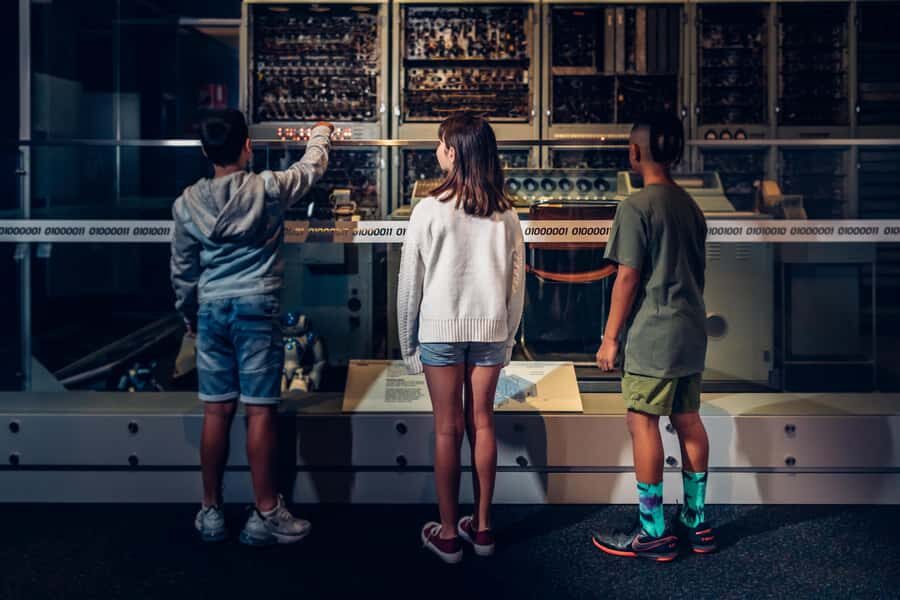
- Interactive science, tech, engineering, and maths exhibits built for curious minds of all ages
- Sportsworks play space with leap, run, throw, and row-style challenges
- Optional surcharges for Planetarium and Lightning Theatre experiences
- A chance to get concession rates even if they’re not advertised clearly online
- Some stations and sections may feel more ticketed or less active than you’d hope
Scienceworks Melbourne in One Day: What Your $10 Entry Really Covers
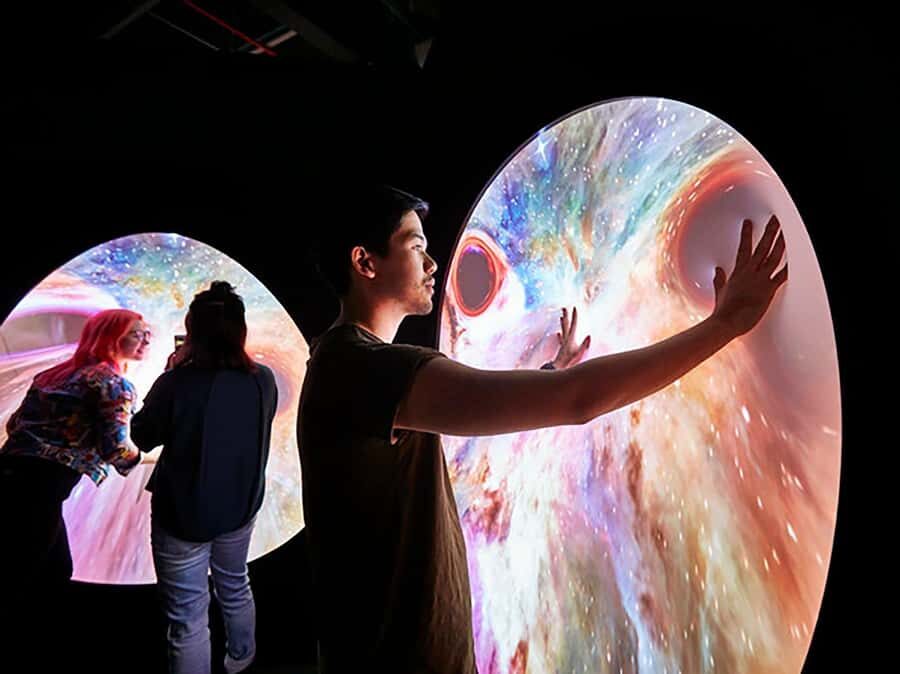
Scienceworks is a one-day museum stop that focuses on how science works in real life, without requiring any background knowledge. Your ticket is straightforward: it’s entry to Scienceworks itself, so you can wander through the exhibits at your own pace.
The best part is also the most important one for budgeting: your $10 per person entry covers the main exhibitions, but the Planetarium show and Lightning Theatre are not included. Those extras can add cost, and they can also affect your timing—if you want them, try to line them up early so you don’t end up squeezing them in at the end.
Value-wise, the price makes sense if you’re going for the hands-on galleries and the Sportsworks activity zone. One review noted it was still worth the value even after learning about concession options once inside. Another theme is that disappointment usually comes from expecting everything to be included when some parts need separate tickets.
Walking Into the Interactive Exhibits Without Getting Frustrated
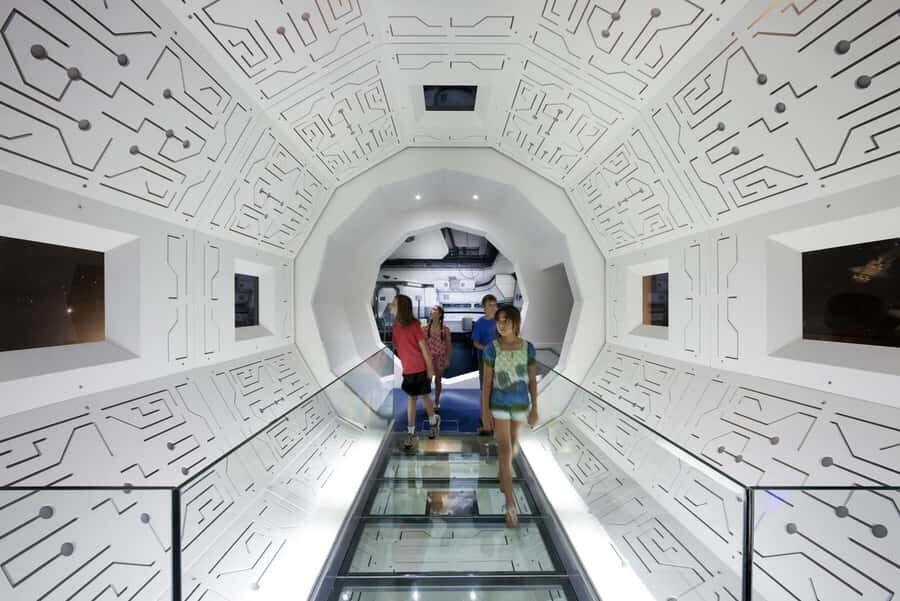
Scienceworks leans hard into interactive displays. The whole idea is that science isn’t just facts on a wall—it’s cause-and-effect. You’ll see modern exhibitions aimed at helping you understand how things work, then test that understanding through hands-on experiences.
That said, manage expectations. One downside that comes up is that not every interactive feature may be operating when you arrive, and the museum can feel more kid-centered than some adults want. If you’re visiting with teens or adults who are hoping for lots of constantly-active stations, it’s smart to treat this as a fun day of experimentation rather than a guaranteed nonstop arcade of working gadgets.
My practical advice: go into the exhibits with a short attention plan. Hit the areas that look most active first, then circle back if you find something you really like. If a particular station seems inactive, don’t burn time—move on and let the museum’s other hands-on experiences carry the day.
Sportsworks: Leap, Run, Throw, and Row
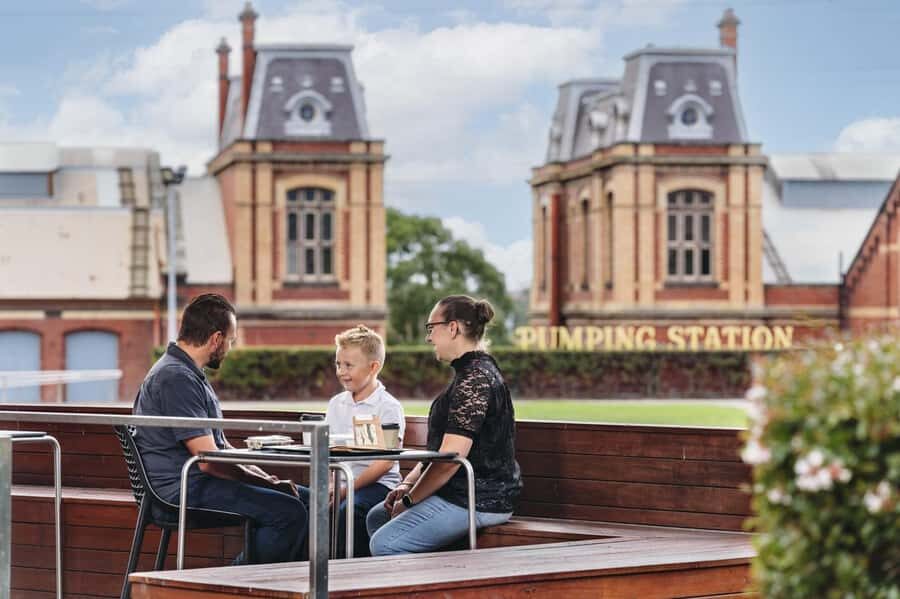
If you only take one thing from this museum, make it Sportsworks. It’s specifically called out as a Sportsworks gallery where you can leap, run, throw, and row. That mix matters because it turns science into movement, not just experiments at a bench.
This part is likely to be the biggest “everyone can play” area—especially for kids, but it can work for adults too, since the activities aren’t framed like homework. You’re basically learning through motion: how force changes outcomes, how trajectories behave, how balance and speed influence results.
What I like for your planning: Sportsworks is a natural hub. Even if other parts of the museum are quieter that day or some interactive stations aren’t running, this is where energy tends to go. If you want a high-confidence highlight, start here or fit it in earlier before your day gets full.
Imagining Tomorrow: How Science May Change Your Everyday Life

Scienceworks doesn’t only show you what already exists. It also pushes you to think about what advances in science could change in how we live. That’s a useful angle, because it turns a museum visit into more than entertainment.
You’ll get prompts and themes that help you connect “today’s science” to “tomorrow’s possibilities.” It’s not described as a lecture series here; it’s more about the museum’s overall framing—science as something that shapes tools, choices, and daily routines.
For adults, that future-thinking angle is often the difference between a museum you tolerate and a museum you actually enjoy. For younger visitors, it helps the science feel bigger than the room they’re standing in. Either way, keep an eye out for exhibits that ask you to predict outcomes—those are the ones that make the day stick in your head.
Planetarium and Lightning Theatre: Optional Surcharges You Should Budget For
Here’s the most important money lesson for Scienceworks: the Planetarium and Lightning Theatre are separate purchases. The Planetarium show and Lightning Theatre are not included with your entry ticket.
The museum offers surcharged tickets for these add-ons from the front counter, subject to availability. To avoid disappointment, you can call 13 11 02 in advance to secure surcharged tickets. That’s a big deal if you’re planning a short visit or you’re going on a day when you don’t want to gamble.
How to decide if you should add them:
- If you want extra “sit-down” experiences beyond the hands-on exhibits, these are the add-ons to consider.
- If your goal is maximum play time and minimal cost, you might skip both and still have a solid day from the main exhibitions plus Sportsworks.
- If you do care about them, plan earlier rather than late. Separate ticket timing can turn into a time squeeze.
The criticism that shows up is that people can feel surprised by extra per-person entry for different sections and shows. That’s exactly why I’d rather you think about these add-ons before you arrive, not when you’re already inside.
Concession Rates: One Tip That Can Save You Money
One review mentioned a helpful detail: concession rates were available, even though they weren’t advertised clearly online. That means your best move is simple—if you qualify for a concession, ask once you’re at the museum.
This matters because the base ticket price is low, but concessions can lower it more. In a museum setting like Scienceworks, the cost difference can make the difference between “worth it” and “let’s do one extra show.”
So your checklist:
- Bring whatever you need for concession eligibility.
- Ask at the counter about concession pricing when you arrive.
- If you’re considering Planetarium or Lightning Theatre, ask how surcharged tickets work with concession eligibility too (the exact rules aren’t provided here, so asking is the safe approach).
Timing Your Visit: How to Handle When Things Aren’t 100% Active
Science museums can vary day to day. One review mentioned that there weren’t many interactive experiences working during their visit. That doesn’t mean your day will be the same—but it does mean you should plan like a realist.
How to reduce the chance of disappointment:
- Prioritize the biggest, most movement-based area first (Sportsworks).
- Keep a flexible order for the rest of the exhibits.
- If an interactive station isn’t operating, move on quickly rather than hovering.
Since you’re visiting for one day, your goal should be “enjoy the working parts” instead of “track down every single exhibit.” With a museum this size and with extra-ticket options available, it’s smarter to let your day be guided by what’s functioning and what you’re most drawn to.
Also, if Planetarium or Lightning Theatre matters to you, remember they’re subject to availability and sold separately. If those are must-dos, the safest play is calling ahead.
Who This Fits Best (And Who Might Find It Underwhelming)
Scienceworks is best for families and anyone who likes hands-on learning. The museum is framed as a destination for curious minds of all ages, and Sportsworks is the kind of activity that pulls mixed-age groups into the same fun.
It also fits well if you like science in everyday terms—how systems behave, how engineering principles show up in motion, and how future changes could affect daily life. Even if you’re not a science person, the interactive approach can make the subject feel more human.
Who might want to rethink it:
- If you’re expecting everything to be included with entry, you’ll want to plan for surcharged add-ons.
- If you hate ticket-by-ticket experiences, the optional Planetarium and Lightning Theatre may feel like extra friction.
- If you’re an adult who wants nonstop, deeply technical interactive stations, you might find some parts more kid-focused.
If your group is a mix—say kids plus adults with different expectations—Scienceworks is still a good compromise. Adults can enjoy the science themes and the future-thinking angle, while kids get the active galleries.
Should You Book This Scienceworks Entry Ticket?
Yes, if you want a low-cost, hands-on science museum day in Melbourne. At $10 per person for entry, you’re paying for the main exhibitions and the interactive vibe, with the strongest “sure bet” being Sportsworks.
Book it now if:
- You’re traveling with kids or teens who like active exhibits.
- You’re open to skipping optional shows to keep costs under control.
- You’ll plan for surcharged tickets if you care about Planetarium or Lightning Theatre.
Consider a different plan if:
- You expect Planetarium and Lightning Theatre to be included in the entry price.
- You’re very sensitive to additional per-person ticketing for sections.
- You’re hoping for constant, fully operational interactive stations with zero downtime.
If you do book, do one smart thing: decide early whether the Planetarium and Lightning Theatre are worth the extra money for your group. Then build the rest of your day around the hands-on exhibits and Sportsworks.
FAQ
Is the Scienceworks ticket for one day?
Yes. The entry ticket is valid for one day, so you can plan your visit within that timeframe.
What’s included in the $10 entry ticket?
The included item is the Scienceworks entry ticket. Food and drinks are not included.
Are the Planetarium and Lightning Theatre included?
No. Planetarium and Lightning Theatre are purchased separately. Surcharged tickets are available from the front counter subject to availability.
Where do I go for the meeting point?
Go to Scienceworks (Museums Victoria).
Can I get concession rates?
A review mentioned that concession rates are available, and they may not be advertised clearly online. Ask at the museum to check your eligibility.
Can I cancel if plans change?
Yes. There is free cancellation, and you can cancel up to 24 hours in advance for a full refund.
]]>With timed entry and a mobile ticket, you can plan this around your day in Melbourne instead of guessing when to go. You also get to stay as long as you like in the games room and café after the main walk-through, which makes the 1 hour 30 minutes feel more flexible than it sounds.
Key points to know before you go

- Timed entry helps keep the room from feeling chaotic.
- 4D cinema is a top highlight for kids and adults alike.
- Laser maze gives you something physical (in a fun way).
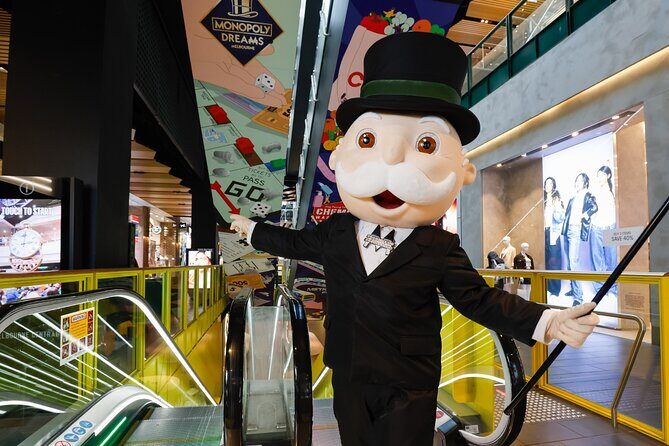
- Photo opportunities use themed Monopoly displays and a photobooth setup.
- Games room + café time means you’re not stuck rushing at the end.
- Carnival games are more about the challenge than guaranteed prizes.
How Monopoly Dreams Works: Timed Entry, Mobile Ticket, and Melbourne Central
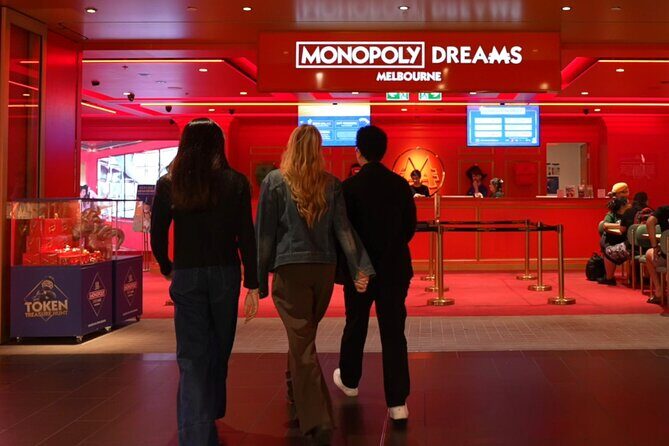
Monopoly Dreams Melbourne is set up like a structured experience with breaks you can feel good about. You book general admission, then show up for your timed slot. That timing matters in a venue like this, because it helps spread groups out instead of creating one giant pile-up right at the first attractions.
The meeting point is easy enough to find: Melbourne Central, at the corner of La Trobe and Swanston Streets. Since it’s near public transport, it’s a solid plan when your day needs an indoor backup. The ticket is a mobile ticket, so you’re not scrambling for paper at the last minute.
In practical terms, plan to be on time so you can step into the flow. The experience runs about 1 hour 30 minutes (approx.), but the games room and café access can stretch your day beyond that.
Your 90 Minutes of Monopoly: Bank Cash, Water Works, Electric Company, and Title Deeds
When you enter, you jump into a fully themed set of stations that feel like Monopoly’s best-known places, but with activities built around them. You’ll move through several touchpoints that mix physical games, interactive challenges, and guided prompts. The goal is simple: keep you moving, keep you earning fun Monopoly-style currency, and keep the pace friendly.
Here’s what you can expect at the heart of the experience:
- Money-catching and a Bank moment: There’s a Monopoly-style challenge where you can grab for cash at the Bank. It’s playful and competitive, which makes it great if you’re visiting with friends or family who like to race each other.
- Water Works and Electric Company: These show up as themed stops with interactive elements. It’s a nice way to connect the classic board-game locations with real activities you can do on-site.
- Build your own Title Deed: You’ll create a Monopoly-style Title Deed and go through the whole get-your-fun-ownership vibe. It’s the kind of thing kids love because it feels official, and adults love because it’s hands-on rather than just watching.
- Try not to end up in Jail: Yes, there’s a Jail element in the experience flow. Even if you don’t love Monopoly’s rules, the playful reminders make it feel more like a game than a lecture.
You’ll also encounter a laser maze and a 4D movie as part of the main sequence. The experience doesn’t expect you to know everything about Monopoly. It’s more about following the prompts, learning as you go, and having a laugh while you do it.
One consideration: in some sessions, you might feel slightly rushed during certain parts, especially if your session includes multiple groups moving through at once. If you’re someone who likes to linger at every station, think of the timed flow as the main event, and save extra time for the games room after.
4D Movie and Laser Maze: The Big Hit Zone for Most Ages
If you’re picking one “must-do” inside Monopoly Dreams, it’s usually the 4D movie. This is where the attraction leans into wow factor. It’s built to keep attention without requiring you to read anything complex, which is great for mixed groups.
Then there’s the laser maze, another major highlight. It gives you movement and decision-making, not just standing around. It’s a fun break from the more hands-on money games, and it tends to work well for older kids, teens, and adults who want something that feels more like an action attraction.
Timing can affect how smooth this feels. If the session is busy, you might wait a bit when transitioning between zones or screens and the movie segment. It’s not a deal-breaker, but I’d come with patient energy—especially if you’re traveling with little ones who get bored when standing still.
Photo Spots and Photobooth Tokens: Turn the Theme into Souvenirs

A lot of indoor attractions stop at the main activities. Monopoly Dreams goes further with themed photo moments that help you take home more than a ticket stub.
You can take photos with Monopoly exhibits, and there’s also a photobooth setup where you can use free tokens. That’s a smart detail for a family day out, because it makes it easier to grab a couple of goofy memories without paying extra at every step.
Practical tip: if your group includes people who like photos, consider splitting up briefly only if you trust everyone to rejoin at the next station. Otherwise, keep it together and assign one person to be the photographer. It saves time and keeps your session flow moving.
Games Room and Café Time: Why You’ll Want More Than One Lap

Here’s one of the best parts of the ticket value: you can stay as long as you like with access to the Games Room and café. That turns the experience from a simple one-and-done attraction into something you can pace.
The games room is where the attraction leans into the Monopoly board-game love more directly. You’ll find different types of Monopoly sets to play, which can be a great way to recharge after the main walk-through. It’s also your opportunity to slow down if you felt any parts were moving quickly earlier.
And yes, the café matters. When you’re indoors and you’re spending time on your feet, having a place to sit and regroup makes a huge difference. It’s especially helpful if you have kids, grandparents, or anyone in your group who gets tired before the final photo spot.
Carnival Games at the End: Fun Competition, Not Prize Guarantees
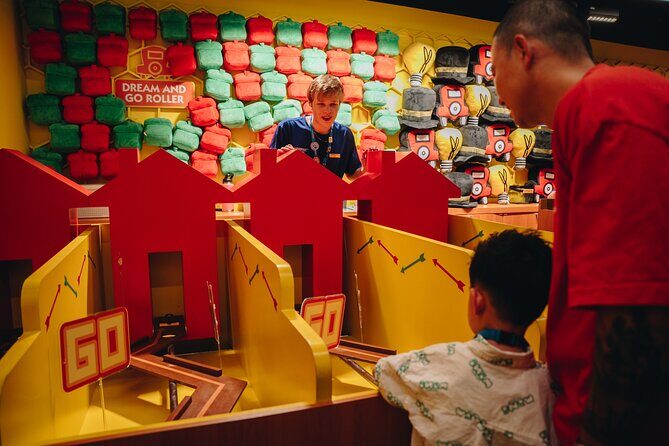
At the end, there are carnival-style games. These are enjoyable for a lot of people because they add one last competitive burst to the day. But I’d go in with realistic expectations: prize-winning can be tricky, and some games may feel harder than you hope, especially for very young kids.
If your group includes a 4–6-year-old, plan for hands-on support and choose your expectations carefully. The attraction is clearly built for broad ages, but not every challenge will be equally friendly for the youngest participants. If you want fewer stress moments at the end, treat the carnival games as entertainment, not a guaranteed prize plan.
Who This Is Best For in Melbourne (and Who Might Find It Less Fun)

This is a great fit when you want a rainy-day option that still feels like an outing, not a chore. I especially like it for:
- Families with kids who enjoy interactive stations and collecting money-type challenges
- Teenagers who want something more active than a museum and less boring than a movie-only plan
- Adults who love Monopoly or just enjoy friendly competition during travel
It also works well for grandparents and mixed-age groups. The staff energy and the hands-on stations can help everyone find a role, even if a couple activities are more kid-focused.
One caution for families: if you’re traveling with a very young child, not every station will be fully age-appropriate. Some activities may require guidance, and certain challenges might be too demanding. That doesn’t make the day a fail—it just means you’ll want to help them more and focus on the stations they can actually enjoy.
Value Check: Is $33.56 Worth It?
At $33.56 per person, Monopoly Dreams Melbourne sits in that “reasonable indoor attraction” range—especially if you’ll actually use the games room afterward. The real value isn’t just that you get one show. It’s that you get multiple categories of fun under one roof: hands-on games, a laser maze, a 4D movie, photo moments, then extra time in the games room and café.
Where the value can wobble is if your expectations are too prize-oriented. The carnival games at the end are fun, but they’re not about winning easily. If you’re measuring the experience by prizes, you might feel disappointed. If you measure it by playtime, staff energy, and how much your group stays engaged, it usually feels like good money.
Also remember the attraction is capped at a maximum group size (up to 460 travelers). That doesn’t guarantee low crowds every minute, but timed entry plus a controlled flow helps keep the experience from turning into a total logjam.
Practical Tips to Get More Fun per Minute
A few small moves make your session smoother:
- Arrive near your timed entry window so you can start right on schedule.
- Wear comfortable shoes. You’ll do plenty of moving between stations, and you’ll appreciate the support.
- Keep small groups together if possible. Some parts are easier when everyone can hear the instructions and react at the same time.
- If you care about photos, decide early who will take them. Don’t leave it for the last minute when your group is tired.
- Go into the carnival games knowing they can be tricky. Treat them like play, not a prize machine.
If you’re visiting during Melbourne’s rainy stretches, this is exactly the kind of indoor plan that keeps your day moving. It gives structure, but it still leaves room to linger in the games room.
Should You Book Monopoly Dreams Melbourne?
I’d book Monopoly Dreams Melbourne if you want a hands-on, Monopoly-themed day that’s built for groups and works even when the weather is awful. The 4D movie, laser maze, photo spots, and the option to stay in the games room after the main flow make it a lot more flexible than a simple ticketed show.
Skip it only if your group hates waiting, prefers quieter attractions, or expects carnival games to be an easy prize win. Also, if your group includes very young kids, plan on helping them through stations and focus on the parts they can fully enjoy.
If you’re the type who likes playful competition and goofy photo memories, this is a very satisfying way to spend a Melbourne day without wandering all over town.
FAQ
How long is the Monopoly Dreams Melbourne experience?
It runs for about 1 hour 30 minutes (approx.).
Where do we meet for Monopoly Dreams Melbourne?
The meeting point is Melbourne Central, at the corner of La Trobe and Swanston Streets, Melbourne VIC 3000.
Is the ticket a mobile ticket?
Yes, the admission ticket is a mobile ticket.
Is entry timed?
Yes, it uses timed entry.
What does general admission include?
You’ll get access to the interactive Monopoly stations, including games and challenges, plus the 4D movie experience. You also have access to the games room and café. Photo opportunities and a photobooth setup are included.
How much does it cost?
General admission is $33.56 per person.
Can I bring a service animal?
Service animals are allowed.
Is it near public transportation?
Yes, it’s near public transportation.
What is the group size limit?
The activity has a maximum of 460 travelers.
Can I get a refund if I cancel?
Cancellation is free. You can cancel up to 24 hours in advance for a full refund. If you cancel less than 24 hours before the start time, the amount paid isn’t refunded.
]]>I like that it is not just a sit-down attraction; you’re asked to do things—grab, fix, power up, and create—so the time feels active, not passive. I also like how the experience threads familiar Monopoly moments into Melbourne-specific locations.
The itinerary mixes a few hands-on challenges with a motion-based cinema, and you can keep the pace moving without waiting forever. That said, the games can feel basic and some stations may be touch-and-go on a given day, so don’t expect everything to feel perfectly “high-tech” every minute.
Key things I’d focus on before you go

- Motion-enabled 4DX-style seats with synced effects like water, wind, fog, and scents
- A mansion tour with a personal gallery and a vault concept (including a diamond)
- Hands-on Monopoly moments like the Bank cubicles, Jail recreation, and mugshot
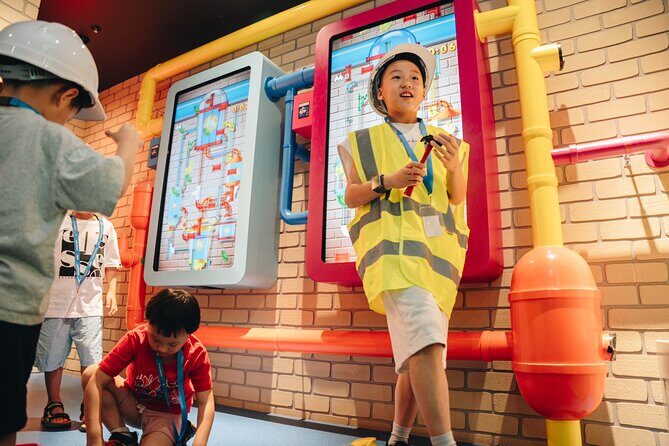
- Challenge stations: security system help, Water Works pipe fixing, and Electric Company power tasks
- Your own customized Title Deed activity (a nice take-home style souvenir)
- Small group size limited to 10 participants, with an English host/greeter
First impressions at MONOPOLY DREAMS Melbourne: family fun with a “do stuff” rhythm

MONOPOLY DREAMS is built like a small theme park within one attraction—part guided walk-through, part game floor, part cinematic ride. It feels intentionally playful from the moment you start the mansion tour, and it works best when you’re in the mood to participate.
The big win here is momentum. The flow moves from mansion rooms into MONOPOLY City, then straight into the 4DX movie, and finally to the store and café. With sessions running every 30 minutes and small groups (up to 10), you’re less likely to feel stuck in a huge crowd.
If you’re coming for a purely adult, high-craft museum experience, you may find it too light on depth. If you’re traveling with kids—or you just enjoy hands-on play and physical humor—it lands much better.
Touring Mr. Monopoly’s mansion: where the story gets physical

Your day starts in the mansion with a tour through Mr. Monopoly’s world. Expect to move through a personal gallery and see his Monopoly collection, including a vault with a precious diamond as part of the narrative.
This is the part I like most for “vibe” and context. Even if you’ve never played Monopoly, the mansion framing makes the rest of the experience easier to enjoy, because you’re not guessing why you’re doing tasks. You’re being pulled from room to room like you’re learning how his system works—and then you’re tested.
After the gallery, you’ll get to the challenge element. The experience includes helping Mr. Monopoly test his security system using your reflexes and agility. That mix—story first, then action—keeps it from turning into a long hallway with static displays.
MONOPOLY City games: Jail, the Bank cubicles, and the money-grab payoff

Once you step into MONOPOLY City, the experience becomes more interactive and a lot more playful. There’s a real-life recreation of the iconic MONOPOLY Jail, and you can take a mugshot, which is usually the kind of souvenir that families actually enjoy bringing home.
Then comes one of the most iconic parts: you step into the Bank cubicles and grab as much MONOPOLY Money as you can. I love this because it’s simple and immediate—no complicated rules to learn mid-game. You get that instant Monopoly feeling, where the money is a reward for participating.
One caution: the instruction level matters. When you’re dropped into multiple mini-activities, you want clear guidance on what’s expected. If anything in the hands-on area is underwhelming or not functioning as intended that day, it can affect the fun quickly—especially if you’re traveling with younger kids who need the play to start right away.
Water Works and the Electric Company: hands-on earning that feels like mini STEM
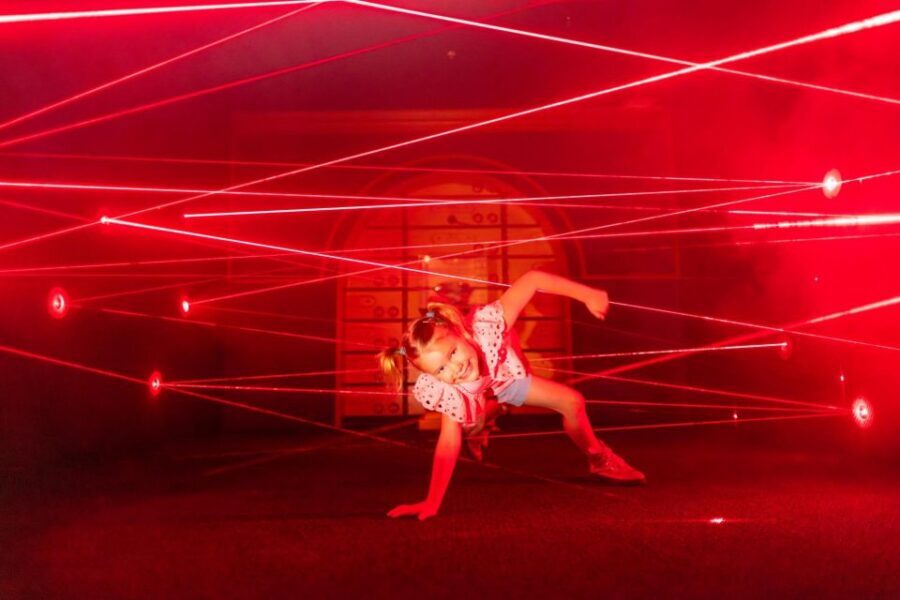
Your path through MONOPOLY City also includes challenge stations that reward you with MONOPOLY Money. The Water Works task is all about fixing broken pipes. Then you move to the Electric Company and power things up.
This section is smart for a few reasons. First, it adds variety so you’re not repeating the same type of game. Second, it gives the “learning by doing” vibe without turning into a classroom. Even if you’re not a tech person, you can still enjoy the feeling of solving something with your hands.
After those stations, you create a customized Title Deed. That’s a small detail, but it’s a meaningful one. A lot of attractions hand you nothing—or just a generic item. Here, the title deed creation is directly tied to your in-game effort, so it feels earned.
The mansion’s 4DX cinema: motion, 3D glasses, and Melbourne through action

Then you get to the headliner: the 4DX movie. This is where MONOPOLY DREAMS turns into a multi-sensory experience rather than a walk-through with games.
You’ll wear 3D glasses and sit in motion-enabled chairs that move—rolling, swaying, twisting, pitching, and heaving—synchronized to real-life effects. According to the experience details, you can expect things like water, wind, fog, and scent cues during the film.
In the movie, Mr. Monopoly and his dog Scottie take you on an adventure to Melbourne’s iconic locations. For me, that’s the clever part: it uses the familiarity of a Monopoly storyline, then plugs in recognizable real-world settings so it feels like Melbourne, not just a Monopoly theme bubble.
If you’re sensitive to motion, this is the one part to consider carefully. The chairs are designed to move with the film, so it’s not a gentle ride. For most people it’s a blast; for others, it can be too intense.
Timing your visit: entry windows and scheduled sessions
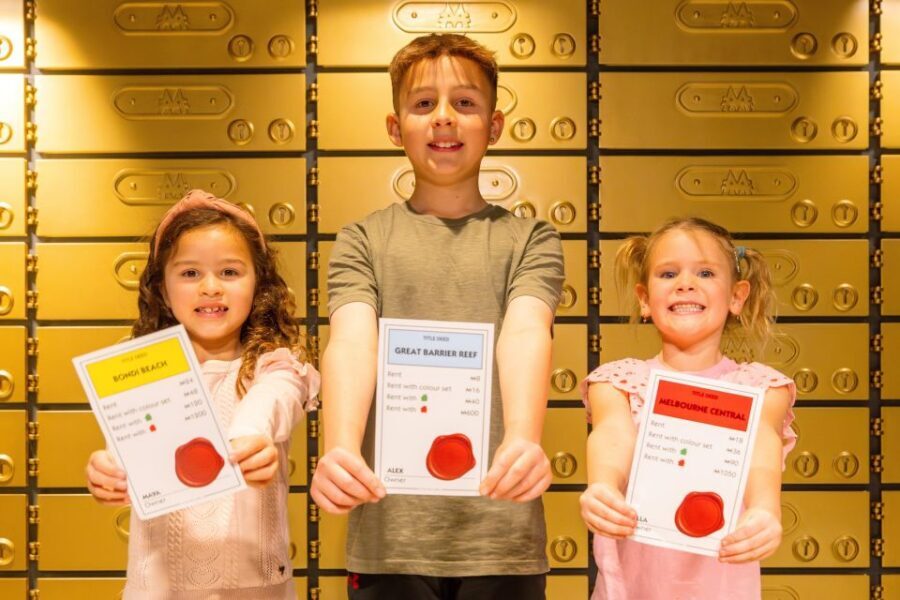
Your ticket works for a 1-day visit, with sessions scheduled every 30 minutes. The entry window is within 30 minutes of the time on your ticket, and you can enter at any point during your scheduled session.
This matters because it lets you plan your day around other stops in Melbourne. You’re not locked into an exact second, but you also don’t want to show up way outside your session window and risk delays.
The experience runs Monday–Wednesday 10 AM–7 PM, Thursday–Friday 10 AM–9 PM, and Saturday–Sunday 10 AM–7 PM. Operating hours can change, so I’d always check before you go, especially if you’re visiting during holidays or peak school times.
Store and café after the show: souvenirs and a Monopoly-style snack break

Once the movie is done, you step into the official MONOPOLY DREAMS store with exclusive merchandise you likely won’t find elsewhere. This is where you can turn your favorite in-attraction moments into something you can take home—often the part that matters most for kids.
You’ll also find a café inside the experience area that is fun and photo-worthy, with classic Monopoly-style vibes. Importantly, both the retail store and café are accessible without a ticket. So even if you decide not to do the full experience on a certain day, you can still stop for the atmosphere and shop.
One practical note: food and drinks are not included in your ticket price. That’s fine if you plan ahead, but it does mean your day can creep upward in cost once you start adding snacks.
Price and value: is $33 a fair deal for what you do?

At $33 per person for a 1-day ticket, MONOPOLY DREAMS is priced like an attraction that delivers multiple formats: a guided story tour, hands-on challenges, and a 4DX-style movie with 3D glasses. You’re not paying just for one room or one show, and that helps the value feel more balanced.
Where the cost question gets interesting is what’s not included. Food and drinks are extra, and carnival games are not included either. If you’re planning on shopping heavily in the store and eating inside the café, expect that to be a separate budget line.
So who gets the best value? I’d say families, kids, and anyone who enjoys “do it yourself” play. If you’re expecting a quiet adult attraction with deep narrative depth, the price may feel high relative to what you personally enjoy.
Still, even for adults, the 4DX movie is a real selling point. A motion-based, multi-sensory cinema is usually a pricier add-on in other venues, and here it’s folded into the main ticket.
The real-world pros and cons: what can make or break your day

Let’s be honest: the difference between a great visit and a merely fine one often comes down to execution on the day. The format includes several game stations (security system help, Jail mugshot, Bank cubicles, Water Works, Electric Company), so consistency matters.
What tends to work well
- The 4DX experience is usually the big highlight because it’s sensory and energetic.
- The hands-on moments like grabbing MONOPOLY Money and taking a Jail mugshot are instantly fun.
- The mansion framing helps you understand the Monopoly theme before the games start.
What can be frustrating
- If you don’t get enough instruction for each activity, you can feel a bit lost or rushed, especially when you’re moving between areas.
- If a station like a photo booth or game setup isn’t working smoothly, it can turn a “quick win” into wasted time.
- The store experience can feel sales-forward, so go in with a plan if you’re sticking to a souvenir budget.
Who should book MONOPOLY DREAMS Melbourne?
This is suitable for all ages, and the “small group” setup (limited to 10) helps it feel manageable. If you’re traveling with kids, this is the kind of attraction they can handle while staying engaged—because you’re constantly doing something.
I’d also recommend it for parents who want something indoor and structured that still has variety. Melbourne weather can be unpredictable, and this is designed for a controlled, full-attention experience.
If you’re a solo traveler or a couple looking for culture-heavy sights, you might prefer other Melbourne attractions first. MONOPOLY DREAMS is more about play than about serious local storytelling.
Should you book MONOPOLY DREAMS Melbourne?
Book it if you want a compact, indoor day with a guided storyline, hands-on Monopoly moments, and a genuinely motion-based 4DX movie. At $33, it’s a solid value when you’ll actually use the included activities and treat the café/store as optional extras.
Skip—or at least consider it carefully—if you’re very picky about game quality and instructions, or if motion cinema is not your thing. For families and kids, I think it’s an easy yes. For adults without kids, I’d decide based on whether you care more about the 4DX portion and the playful set design than the mini-game stations.
FAQ
What’s included in the MONOPOLY DREAMS Melbourne admission ticket?
Your ticket includes admission to MONOPOLY DREAMS Melbourne, the 4DX movie experience, and 3D glasses.
How long is the experience?
The experience is listed as 1 day.
Do I need to pay extra for food and drinks?
Food and drinks are not included in the admission ticket, so you’ll need to budget for them separately.
Is there a 4DX movie in the ticket?
Yes. The 4DX movie experience is included, and you’ll sit in motion-enabled chairs with 3D glasses.
How do the scheduled sessions work?
Sessions are scheduled every 30 minutes. Your entry window is within 30 minutes of the time on your ticket, and you can enter anytime during that scheduled session.
What happens if I miss my scheduled session?
The provider will try to re-book you into the next available session, but entry is not guaranteed if sessions are already booked.
Are the store and café included with the ticket?
You can access the retail store and café without a ticket, but food and drinks still cost extra.
What payment methods are accepted?
MONOPOLY DREAMS Melbourne accepts cashless payments only, and all major cards are accepted.
Is it wheelchair accessible?
Yes, the experience is wheelchair accessible.
Can I get a refund if my plans change?
You can cancel up to 24 hours in advance for a full refund.
]]>The best part for me is the balance between big, impressive displays and repeatable activities you can actually do. You’ll spend time looking closely at the brickwork, then shift into making your own Star Wars-style creations and trying out interactive elements that let you face off with friends.
One drawback to plan for: this is a ticketed exhibition with a valid 1-day entry window and starting times, so if you arrive late, you may lose time for the hands-on stations.
Key takeaways before you go

- 8 million LEGO bricks power the exhibition’s iconic battles and ships.
- Hands-on stations let you build starfighters and create LEGO lightsabers.
- Ryan Brickman McNaught (LEGO Certified Professional) is the creative lead at the controls.
- Digital face-offs turn your builds into interactive, playable moments.
- Massive shared build areas invite you to add brick by brick to big Star Wars scenes.
Why Melbourne Museum is a smart home for LEGO Star Wars
Melbourne Museum is the right kind of setting for a build-heavy show. It’s a museum, not a pop-up, so the experience is designed to move you through zones at a comfortable pace. That matters with something like this, because you want time to look, then time to play.
You also benefit from being in Museums Victoria territory, where the venue is built for visitors who want more than one quick photo. If you already like science, design, or big-scale model making, this exhibition slots neatly into that mindset instead of feeling like a separate themed attraction.
And if you’re coming with kids or a mixed-interest group, this setup gives everyone a job. Star Wars fans get characters and scenes in LEGO form. LEGO fans get technique, scale, and the chance to build. Even if you only half care about one franchise, the hands-on angle makes the day work.
8 million bricks: what you’ll actually see inside

This exhibition is built around scale you can’t fully grasp until you’re standing near it. The show uses over 8 million LEGO bricks and took more than 25,000 hours to complete. That’s not just trivia—it’s why the display feels detailed, not sketchy. When something is this time-intensive, the brick choices and scene composition tend to show up in the real world.
You can expect the exhibition to focus on the kinds of Star Wars moments people recognize instantly. Think epic battles, gargantuan spaceships, and iconic landscapes/scenes from the galaxy far, far away. The key is that the famous shapes are translated into LEGO logic: studs, color blocking, and layered textures that look sharp at close range.
What I like about this is the clarity of the storytelling. The exhibition is designed to be laid out in a way that supports understanding, with descriptions that help you connect what you’re seeing to the broader Star Wars world. You’re not left to guess which ship or moment you’re looking at.
If you’re a detail person, you’ll likely spend extra time here. The brick-by-brick look is the point. If you’re more of a fast “see it, snap it, move on” visitor, you’ll still get your fill, but you’ll want to manage your pace so you don’t run out of time for the interactive stations.
Hands-on builds: starfighters and LEGO lightsabers

The big win with this ticket is that it’s not only about viewing. The exhibition invites you to join in with hands-on build activities where you can create things like starfighters and custom lightsabers using LEGO bricks.
This matters because it changes how you experience the show. You go from passive watching to active making, which is where LEGO shines. When you build, you notice how designs are engineered—how shapes are supported, how colors are layered, and how a “movie object” becomes a physical model.
The lightsaber angle is especially good for families and casual fans. You don’t need to be a hardcore Star Wars person to enjoy putting together something that looks like it belongs on a character’s belt or in a saber duel. It’s simple enough to enjoy right away, and it still feels like part of the Star Wars world.
One practical tip: if your group includes both LEGO lovers and Star Wars lovers, you’ll probably find the activity stations are the meeting point. People who might not care about one franchise usually still enjoy making something that looks cool and feels personal.
The Brickman connection: Ryan Brickman McNaught at the controls
A major credibility boost here is the involvement of Ryan ‘Brickman’ McNaught, described as a LEGO Certified Professional. He’s at the controls of this world-first exhibition, and that leadership shows in the way the show balances craft and fun.
Why you should care: this isn’t random fan art. A professional LEGO builder is likely to think about structure, stability, and how real visitors move through the space. You feel that in the presentation—especially in how the exhibition organizes complex scenes into something you can navigate without getting overwhelmed.
The exhibition also has a homegrown story: the display was built in Melbourne at The Brickman headquarters. That local detail adds a layer of authenticity for visitors from Australia. It’s not just “LEGO brought in from somewhere else.” This one has roots in the city you’re standing in.
If you’re interested in how big models are made, this is the part of the day that gives you context. You’re looking at an output of thousands of hours of work, guided by someone who treats LEGO like a serious craft.
Shared brick-by-brick scenes and digital face-offs
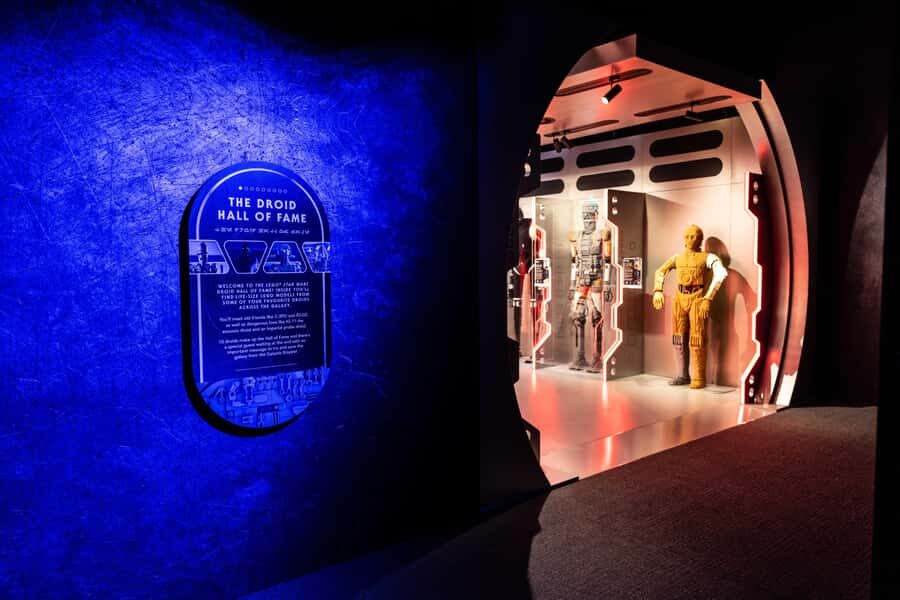
After you’ve looked and built a little, the exhibition shifts toward participation in bigger ways. Visitors are invited to help build massive LEGO Star Wars scene backdrops brick by brick. This is a neat change of pace: instead of building only your own piece, you add to something that belongs to the crowd in a visible way.
Then comes the fun part: you can see builds come to life digitally. The exhibition includes interactive elements where you choose your allegiance and then face off against friends. That combination—physical build now, digital action later—fits how kids and teens play today, but it also works for adults who still like the thrill of competition.
The value here is the payoff. You don’t just create an object and leave it behind. You build something, then you get a moment where it connects to the wider story and to other people.
For planning, think of this as your “energy segment.” If your group tends to get restless, save a bit of stamina for these interactive moments. It’s where the day can turn from viewing to doing in a way that feels like a real event.
Ticket entry time and how to plan your one-day visit
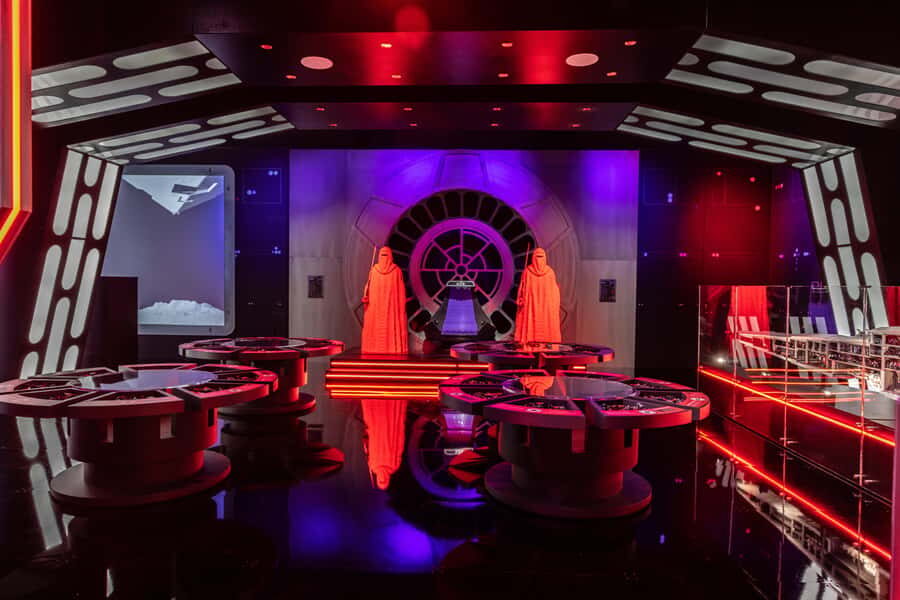
This is listed as a valid 1 day experience, and you’ll check availability to see starting times. That means you should treat it less like a drop-in gallery and more like a timed visit with a rhythm. If you pick a late slot, you might rush the hands-on parts.
A smart strategy is simple: plan to do the viewing first, then build, then interactive. The exhibition’s structure is built for that flow, moving from big scenes to activities. If you try to do everything in the wrong order, you’ll feel pressure instead of enjoying the transitions.
Also keep in mind the museum setting. If you’re combining this with other Melbourne Museum areas, give yourself enough time that you’re not sprinting across the building. This exhibition works best when you have room to pause and look closely at the brickwork, especially if you enjoy seeing how LEGO translates details.
If you’re visiting with kids, the hands-on stations will likely become the anchor. Plan on repeat interest—once kids enjoy one build task, they often want to try again or linger for “one more.” Build that flexibility into your schedule.
Value check: who this exhibition is best for
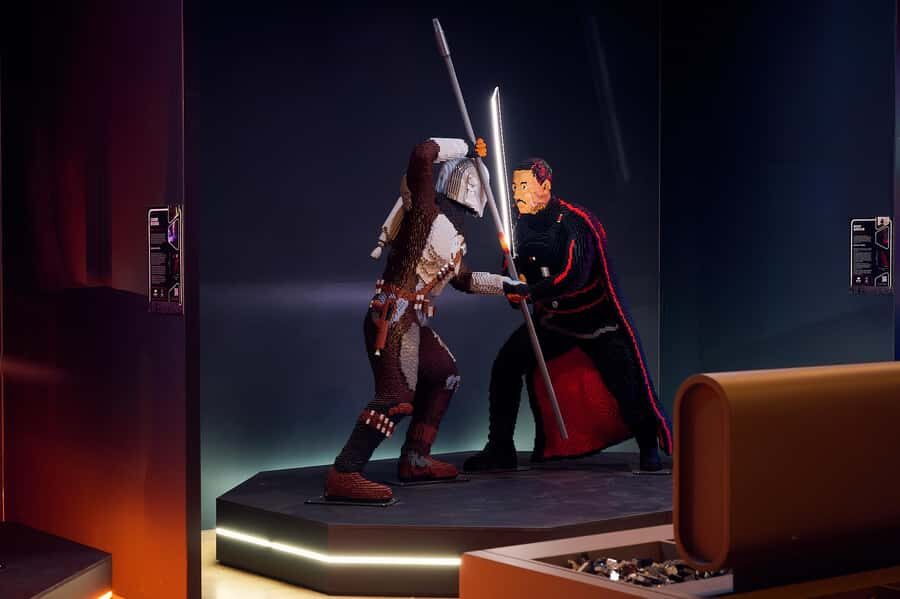
I’d put LEGO® Star Wars: The Exhibition in the sweet spot for mixed groups—families, couples, and anyone who likes making things. It’s also one of those rare experiences where you can be a fan of both LEGO and Star Wars, or only one, and still have a great time.
If you’re a Star Wars fan, the big scenes, characters, and battle moments are the hook. You get iconic references translated into LEGO brick form, which is the core reason this feels special instead of generic.
If you’re a LEGO fan, the scale is the main story. The 8 million brick figure and the 25,000-hour build time are the big signals that you’re looking at a serious build, not a quick display. And the hands-on builds let you try the craft in a tangible way.
If you’re neither, you’ll still enjoy it if you like museum activities and don’t mind a playful, show-like atmosphere. The good news is that the activities help you stay engaged even if you’re not deep into the fandom.
Only consider booking if you genuinely want interaction. If your ideal museum day is quiet, slow, and strictly observation-based, the hands-on and digital face-off elements might feel a little louder and more “activity-first” than you expect.
Should you book LEGO Star Wars at Melbourne Museum?
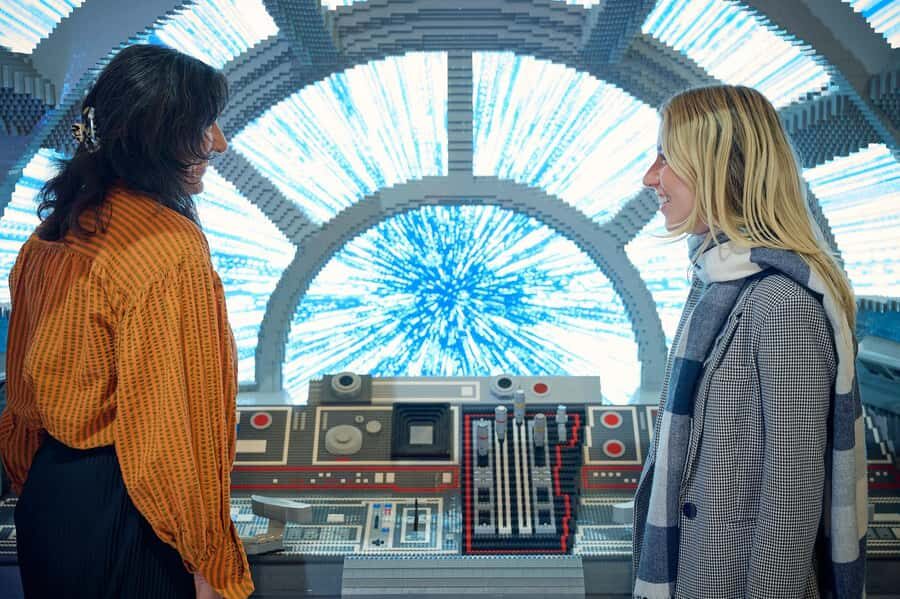
Book this if you want a day that mixes big visual impact with real participation. It’s a good match for families because it’s built to keep kids moving from looking to building to playing. It’s also a solid choice for adults who enjoy design, craft, and seeing how a professional LEGO effort translates a famous universe into something you can physically engage with.
Skip it only if you prefer quiet galleries and you’re not interested in the build-and-play side. Otherwise, this ticket gives you a lot for one day: a massive brick display, hands-on making (including lightsaber-style builds), and interactive digital moments tied to allegiance and friend-to-friend face-offs.
FAQ
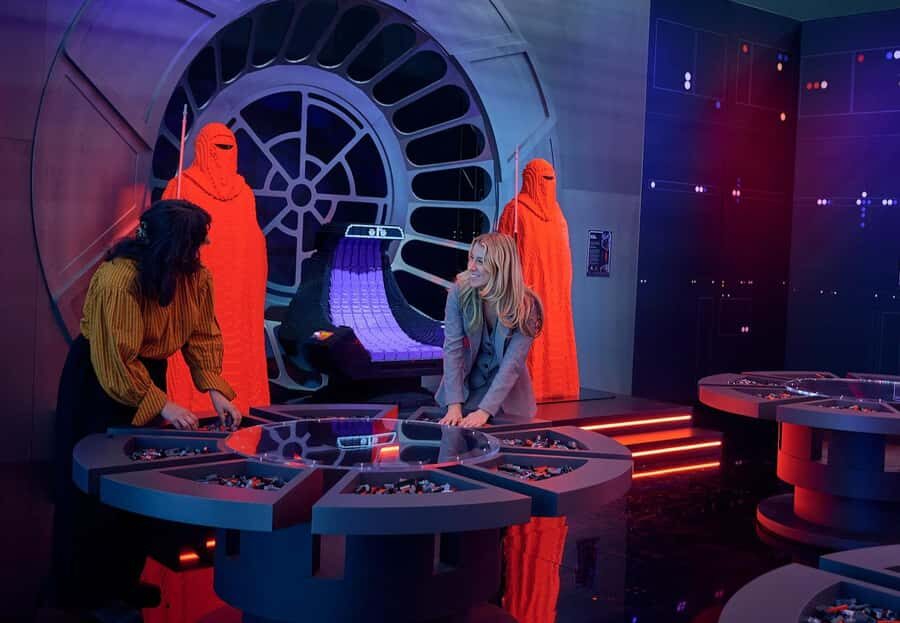
Where is LEGO® Star Wars: The Exhibition located?
It takes place at Melbourne Museum in Victoria, Australia.
How long is the experience valid?
Your ticket is valid for 1 day.
When does the exhibition debut?
The galaxy-first debut is set for May 4th, 2025.
Who is involved in creating the exhibition?
Ryan ‘Brickman’ McNaught, a LEGO Certified Professional, is at the controls of the exhibition.
About how many LEGO bricks are used?
The exhibition uses over 8 million LEGO bricks.
How long did it take to build?
It took more than 25,000 hours to complete.
Are there hands-on build activities?
Yes. There are interactive builds, including starfighters and custom lightsabers, plus larger shared building activities.
Is there a digital interactive component?
Yes. Your LEGO Star Wars builds can come to life digitally, where you choose allegiance and face off against friends.
Is the venue wheelchair accessible?
Yes, it is wheelchair accessible.
What do you need to know about entry times?
The ticket is valid for 1 day, and you should check availability to see starting times.
Who provides the activity?
Museums Victoria provides the experience.
What rating does it have?
It has a rating of 4.7 based on 40 reviews.
]]>I love the hands-on LEGO build areas where kids can create instead of just look. I also love MINILAND, with its famous tiny landmarks made from over a million LEGO bricks.
One consideration: the experience is easy to overspend on, especially once you factor in food, souvenir photos, and tickets for multiple kids.
Key highlights to know before you go

- MINILAND uses over a million LEGO bricks to recreate landmarks in a compact, fun-to-scan way
- 4D cinema brings LEGO characters to life for kids who like loud, fast stories
- Hands-on build and play zones are the main event, not just a quick photo stop
- Indoor playground and rides make this a strong rainy-day choice
- Pricing can add up fast, especially if you stay longer than planned or need food
What LEGOLAND Discovery Centre Melbourne feels like (and who it’s for)
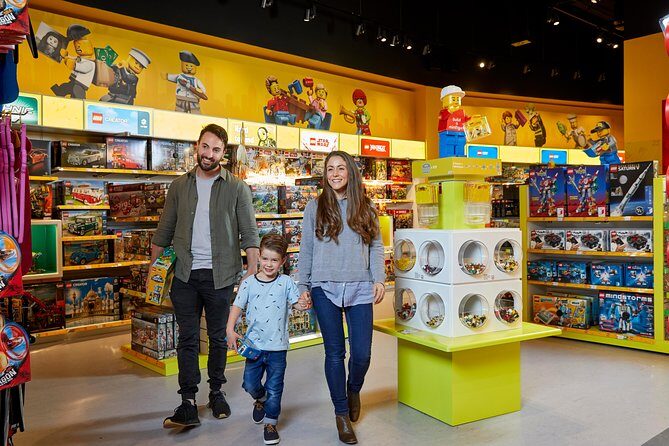
This is a full indoor LEGO day built for families with children aged 3 to 10. The vibe is colorful and structured, with enough variety to keep different kids happy without needing a tight schedule. If your kids love LEGO bricks, you’ll see them go from curious to fully engaged pretty quickly.
The value depends on what you want from the day. If you’re aiming for one focused activity that holds a child’s attention for about 1.5 hours (typical duration), it’s a solid pick. If you’re hoping for a long theme-park-style marathon, you may feel like the visit ends before you’re ready.
I also like that the set-up is simple: you walk in, you choose what to do next, and the place keeps moving at a kid-friendly pace. No complicated planning required—just energy management and a plan for breaks.
Chadstone location: easy access, but plan for shopping-centre flow
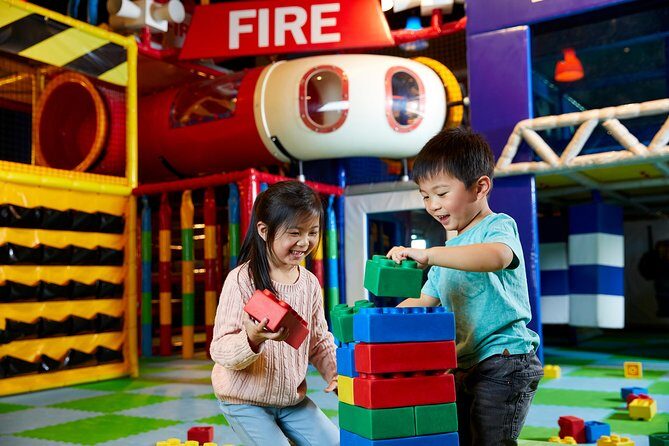
LEGOLAND Discovery Centre Melbourne sits inside Chadstone – The Fashion Capital, which is convenient in plain terms: you’re already in a major transit and shopping hub. Near public transportation, it’s straightforward to reach without a car if you’re staying elsewhere in Melbourne.
The trade-off is that you’re sharing the space with a lot of shoppers. On busier days, lines and crowd flow can feel chaotic, especially at entry points and popular attractions like the 4D cinema. If your kids get fussy when they’re stuck, arrive with a little buffer time and expect a bit of waiting.
Parking can be an issue in large malls, and that matters if you’re driving. If parking costs or time stress you out, consider public transport where possible and keep your plan flexible.
MINILAND: the million-brick landmark gallery
MINILAND is the visual anchor of the centre. You’re looking at world landmarks recreated with over a million LEGO bricks, so it’s not just one simple display—it’s a whole mini-world designed for kids to spot details and for adults to enjoy the scale.
What makes MINILAND work for families is how easy it is to engage without needing instructions. Kids can point at recognizable shapes and locations, and you can turn it into a low-effort scavenger game: find the biggest structure, find the part that looks like home, compare how it’s built with bricks.
The only downside is time and attention. If your child wants constant action, MINILAND can feel a bit like a museum at first. The trick is to use it as a reset moment between busier activities, not as the only stop.
The 4D cinema: quick character fun that kids usually love

The 4D cinema brings LEGO characters to life on a movie format, with effects designed to keep kids interested while the story moves fast. The big practical point: it’s a way to cool down a little and give energy a different outlet without leaving the building.
For families, it can also be a handy scheduling tool. If one area has a line, you can shift to cinema time while the crowd changes. That reduces the odds of kids melting down from boredom or waiting.
One limitation is that the show is not designed as a long, sit-and-chat experience. If your group includes adults who want a deeper, longer program, they may find it short. For the kids, though, it usually hits the right LEGO tone.
Build areas and indoor play: why this is the real magic
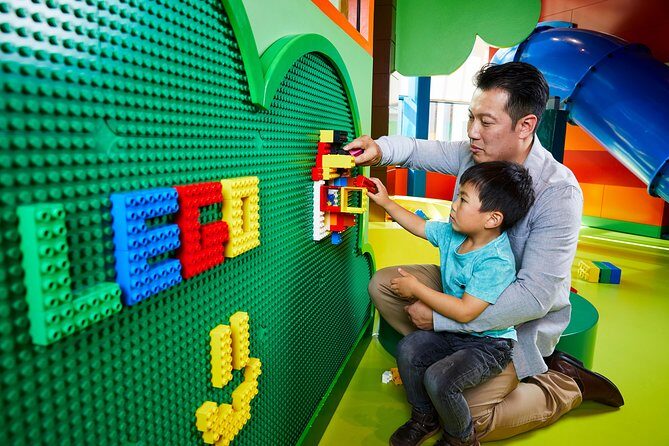
The centre is at its best in the themed build and play areas. This is where kids get to touch thousands of LEGO bricks and make something with their own hands. For many children, this is the part that turns a fun outing into a memorable one.
Look for how the zones are set up so kids can work through steps at their own speed. Some kids will want to build quickly; others will collect pieces, redesign, or keep working even after the “activity” feels done. Plan your expectations around that.
If you’re traveling with a mix of ages, the build areas are a good way to keep everyone involved. Adults can supervise easily, and siblings can take turns or build parallel projects without needing advanced LEGO skills.
Rides, VR, and energy outlets for kids who won’t sit still
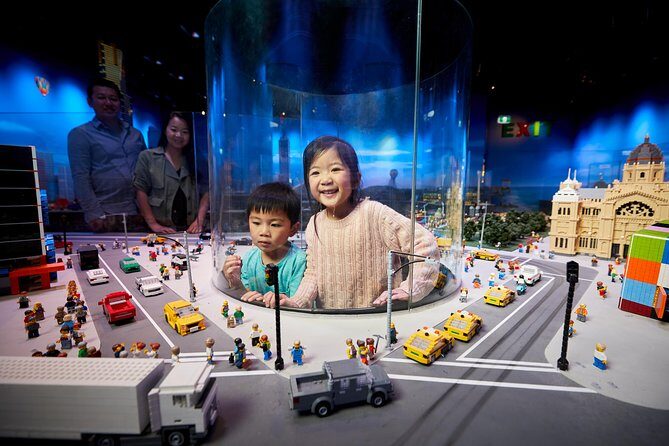
Outside the builds, you’ll find LEGO-themed rides and other attractions that are meant to burn off energy indoors. For kids, it’s a nice balance: action time after calm time.
Some attractions like VR tend to be short by nature, and you may wish it lasted longer if your child really gets into it. Still, it can be worth it for the novelty factor—especially for kids who haven’t tried VR before.
Also, keep your timing in mind. If you’re visiting during peak periods, the queueing for the most popular rides and cinema sessions can shape your day. Build in a couple of flexibility spots so the day doesn’t depend on one exact timetable.
Food, souvenir photos, and cashless realities

A big truth about this kind of indoor family attraction: the ticket is just the start of the spending. Souvenir photos are available to purchase, and food and drinks are not included. If you want a longer stay, eating choices and price can push you to leave sooner than you planned.
Another practical point: the centre can be cashless, which can surprise kids who are used to paying with saved pocket money. If you or your child prefers cash or you’re budgeting tightly, plan ahead so you don’t hit a payment wall mid-visit.
If you’re trying to keep the outing affordable, treat snacks like a budget line item. Either go in prepared with a clear spending plan, or plan your schedule around meals in the surrounding shopping centre.
Value: ticket price, bundles, and how long you can realistically stay
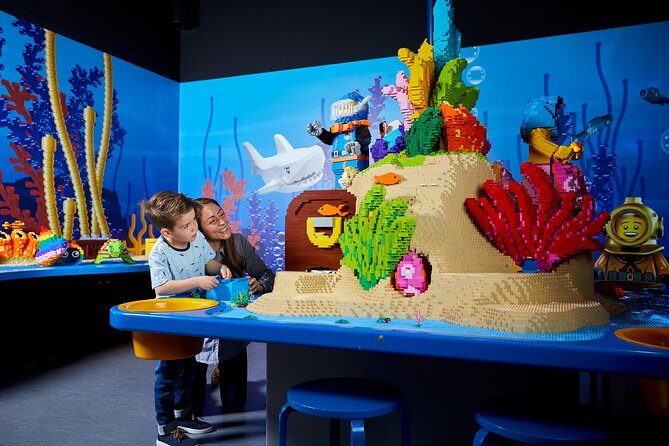
The general entry ticket price you’ll see is around $20.65 per person, and booking is commonly done about 35 days in advance. That sounds reasonable for an indoor LEGO day, especially for families with kids aged 3 to 10.
But the real value question is “what are you comparing it to?” Some families find it’s best as part of a bundle when paired with another family attraction in the area. If you’re already planning a longer day in Chadstone, combining attractions can make the total feel less jumpy.
Time also matters. The centre is roughly 1 hour 30 minutes in duration, so if you go in hungry, tired, or with kids who need constant stimulation, you may leave earlier and feel like the ticket cost was high. If you time it well and focus on the must-dos—build areas, MINILAND, and the 4D cinema—you’re more likely to feel like you got your money’s worth.
Planning tips for a smoother visit
Start with your kids’ energy level. If they’re fresh, go straight to the build areas first so you catch the best focus window. If they’re restless, you can swap in the 4D cinema or another attraction to reset them, then return to hands-on play.
Bring a small buffer for peak periods in the shopping centre environment. Lines happen, and crowd flow can shift quickly. A little patience goes a long way, especially with younger kids.
Also remember the basic entry rule: adults must be accompanied by a child to enter LEGOLAND. That affects grandparents, babysitters, or anyone planning to attend without their child.
Finally, this is a place where simple comfort choices matter. It’s indoor and air-conditioned, so it’s a great option when Melbourne weather gets unpredictable.
Should you book LEGOLAND Discovery Centre Melbourne?
If your kids are LEGO fans in the 3 to 10 range, I think it’s an easy yes for a rainy-day plan or a short, focused family outing. The hands-on building, MINILAND, and 4D cinema give you a strong mix of “look” and “do,” which is the right formula for keeping young kids engaged.
Skip it or rethink it if you’re hoping for a long theme-park-style day or you’re traveling with limited budget for food and extras. Tickets can feel pricey depending on day and group size, and cashless spending can catch you off guard.
FAQ
What is the duration of the LEGOLAND Discovery Centre Melbourne general entry ticket?
The visit duration is listed as about 1 hour 30 minutes.
Where is LEGOLAND Discovery Centre Melbourne located?
It’s located in Chadstone – The Fashion Capital in Melbourne.
How much is the general entry ticket?
The price provided is $20.65 per person.
Is the ticket digital or paper?
The ticket is a mobile ticket.
What age range is the centre designed for?
It’s designed especially for children aged 3 to 10.
Do adults need to be accompanied by a child?
Yes. Adults must be accompanied by a child to enter.
What’s included with the ticket?
The provided inclusion is an air-conditioned vehicle.
What is not included in the ticket price?
Not included: souvenir photos, food and drinks, and hotel pickup and drop-off.
Is the attraction near public transportation?
Yes, it’s listed as near public transportation.
Are service animals allowed?
Yes, service animals are allowed.
Can I get a refund if plans change?
You can cancel for free up to 24 hours in advance for a full refund.
]]>If you’re traveling with kids, you’ll like that the museum is built for busy minds—games, memorabilia, and interactive stops that don’t feel like homework. The time window is also flexible, with a visit that’s listed around 1–2 hours, but you can take your time once inside. The best drawback to plan around is simple: you’ll want a bit of walking stamina to enjoy the full route comfortably.
Key Highlights You’ll Care About
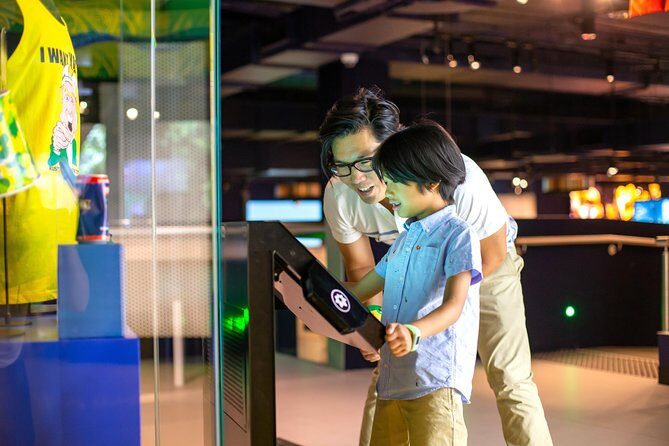
- Gate 3 entry at the MCG means you’re starting in a landmark, not a random side street
- Self-guided with unlimited time inside so you can slow down or speed up
- Interactive zones that include challenges like goal-kicking against AFL players
- Shane Warne: Treasures of a Legend included on select dates in 2025–2026
- Mobile ticket for an easier day-of check-in
- A family-friendly stop that works well when Melbourne weather doesn’t cooperate
Where You’ll Start: Australian Sports Museum at MCG Gate 3
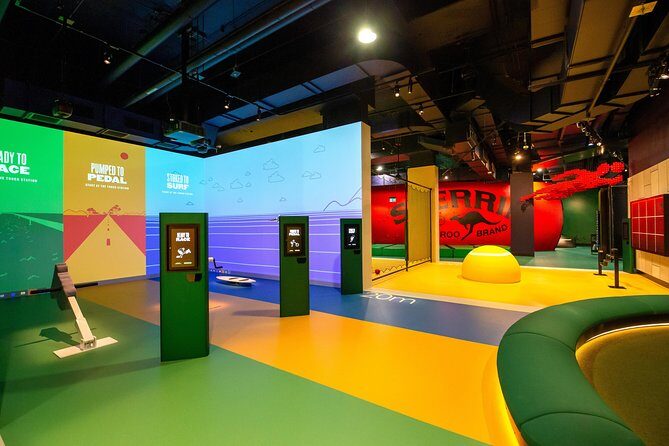
You’re not just going to a museum. You’re walking into Australian sport’s main stage, the Melbourne Cricket Ground (MCG), then heading to the Australian Sports Museum at Gate 3. That matters because you get a smoother arrival day: you don’t need to hunt for a separate location far from the stadium.
For planning, I recommend you build a little buffer before your arrival time. The museum is designed for an easy wander, but your first few minutes set the tone—find Gate 3, verify you’re at the right entry point, and exchange your voucher for general admission.
Also note this detail: entry for MCG Tours and Australian Sports Museum is at Gate 3. If your itinerary includes any stadium tour option, double-check the ticket you purchased so you don’t end up at the right gate but the wrong line.
Self-Guided Admission: Freedom to Spend It Your Way
This is a self-guided experience. That means there’s no group clock telling you when to move on, and you don’t have to match your pace to anyone else’s. The attraction is built for browsing: you can spend 15 minutes on one sport, then bounce to another exhibit when your interest changes.
The ticket setup is also practical. You’re getting a mobile ticket, and you’ll exchange your voucher for general entry at the museum. If you’re the type who likes to look first and decide later, self-guided is a good fit.
Time is flexible. You’ll see the visit described as about 1–2 hours, but the experience is listed as unlimited time inside the museum. In real terms, that means you can do a quick lap if you’re pressed for time, or turn it into a more relaxed stop if you’re traveling with kids or you’re a serious sports nerd.
Inside the Museum: Memorabilia, Historic Moments, and the Warne Experience
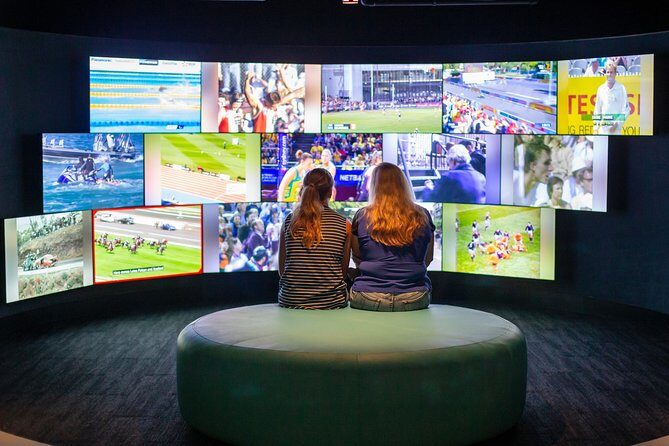
The museum experience is built around sports you likely recognize—and sports you might not have explored deeply yet. Expect memorabilia from Australia’s sporting heroes and moments that shaped the country’s sports story. You’ll see exhibits that help connect athletes, events, and eras without feeling like you’re reading a textbook.
One standout is the Warne: Treasures of a Legend experience. The ticket information says this exhibit is included if you’re visiting between Dec 16, 2025 – Aug 9, 2026. If you’re in that date window, you should treat this as a core reason to go, not an extra.
You’ll also find a realistic hologram of Shane Warne sharing stories from his career. Even if you’re not a cricket die-hard, Warne’s persona lands because it’s still about the human side of sport—what it takes, the moments that stick, and why his career became part of Australia’s cultural sports memory.
If you’re traveling outside those dates, the information provided explains a different approach. There’s a way to request an arranged time to attend Warne: Treasures of a Legend by emailing [email protected] with your booking confirmation number. If you want to decide on the day instead, there’s a risk it may already be booked out because numbers are limited.
Interactive Stops Like Game On! for Goal-Kicking Fun
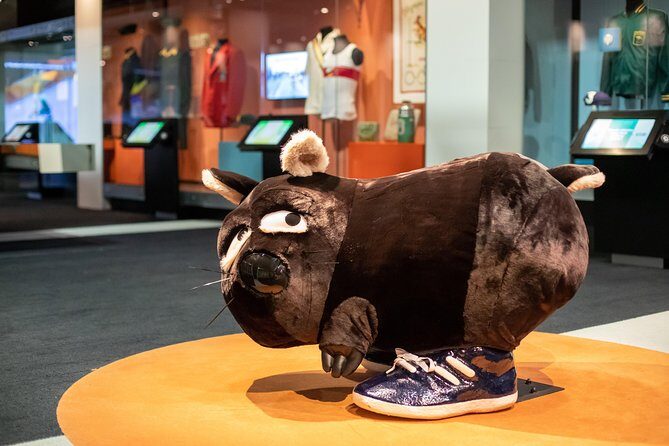
The museum isn’t only about looking. You’ll likely spend time at the more physical, playful exhibits—and the big one named in the details is Game On!, where you can test your goal-kicking skills against Australian Football League players.
This is one of those attractions where the value comes from participation. You get instant feedback, it breaks up the museum browsing, and it’s a great equalizer: kids can feel confident fast, and adults can enjoy a friendly challenge even if they’re terrible at it. That “try once, laugh, try again” loop is exactly what makes a sports museum work as a family or rainy-day activity.
If you’re traveling with kids, this kind of interactive zone keeps energy levels steadier. If you’re traveling solo or with another adult, it gives you a change of pace from reading about history and helps you remember what you saw afterward.
How Long You’ll Need (and How to Use Unlimited Time)
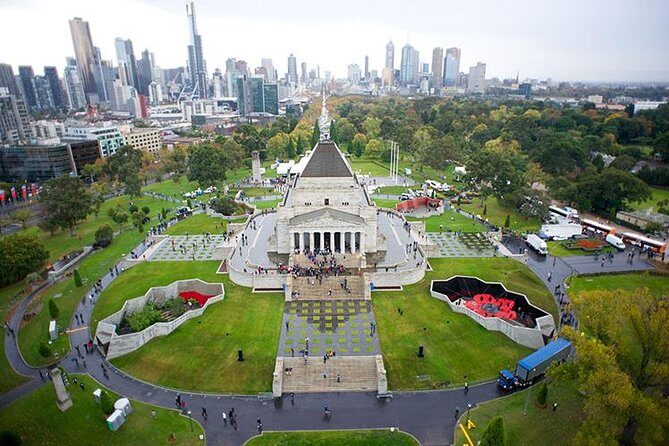
The experience is described as about 1–2 hours, but the ticket includes unlimited time inside the museum. That combination is ideal because it supports multiple styles of visiting.
Here’s how I’d plan your timing:
- If you want the highlights only, aim for around 60–90 minutes. Focus on the major themed areas, then circle back to anything interactive you really liked.
- If you’re traveling with children or you’re interested in more than one sport, expect closer to the longer end. You’ll have time to take photos, re-read labels, and repeat the hands-on activities without feeling rushed.
One more practical note: the listing mentions moderate physical fitness level. You don’t need to be an athlete, but you should assume some walking and standing as you move through exhibits.
Price and Value: Is $26.54 Worth It at the MCG?
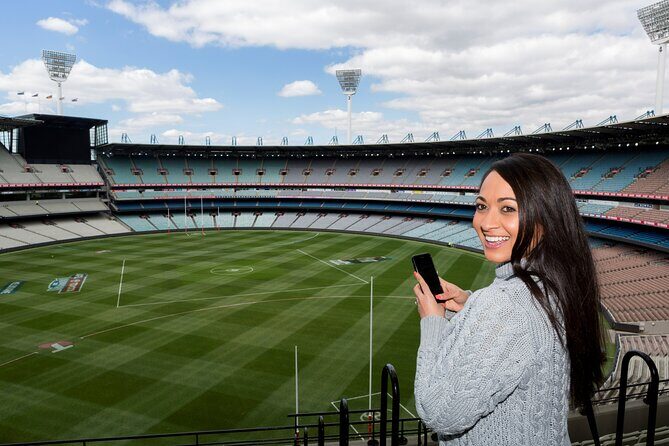
At $26.54 per person, this ticket sits in the “reasonable day out” category for central Melbourne. You’re paying for three big value drivers:
- Prime location at the MCG—getting into a major sports landmark helps make the day feel special.
- Self-guided format with unlimited time, so you’re not paying for a rushed checklist.
- Included exhibit entry depending on dates—specifically Warne: Treasures of a Legend is included if you visit between Dec 16, 2025 and Aug 9, 2026.
So the value is strongest if:
- You’re traveling during the Warne exhibit period, or
- You genuinely like interactive sports learning, not just museum browsing.
If you’re only interested in one tiny corner of the museum and you hate interactive stuff, the price might feel less compelling. But for most sports fans and families, the combination of memorabilia plus hands-on exhibits makes it feel like more than just “a ticket to pass through.”
Best For: Families, Sports Fans, and Rainy-Day Days in Melbourne
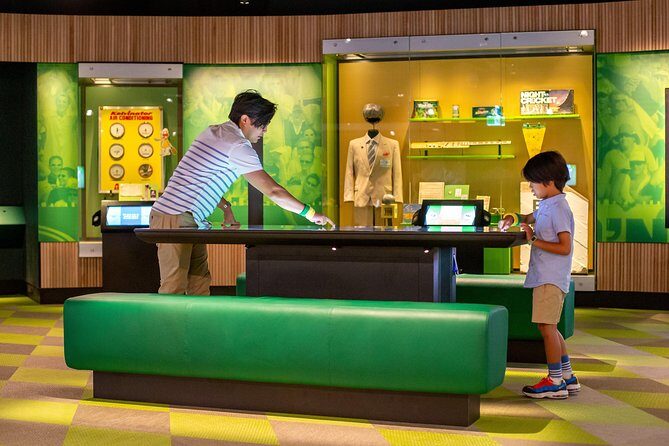
This is an easy win as a family-friendly option, especially when the weather turns. The museum is explicitly positioned as an ideal rainy-day destination, and the structure supports that. Kids can burn energy on interactive parts, while adults can slow down and take in the stories and memorabilia.
It’s also a solid choice if you’re a fan of multiple sports. The experience description points to cricket, rugby, athletics, and other sports Australia does well in. Even if you’re not a specialist, the exhibits are designed to help you understand what matters and why those moments became national sports reference points.
If you’re traveling with a group and nobody agrees on what to do, the museum tends to work because it’s self-paced. One person can geek out over a sport you don’t care about, and you can still enjoy your own route without waiting for someone else.
The Main Gotgotcha: Museum Entry vs MCG Tour Confusion
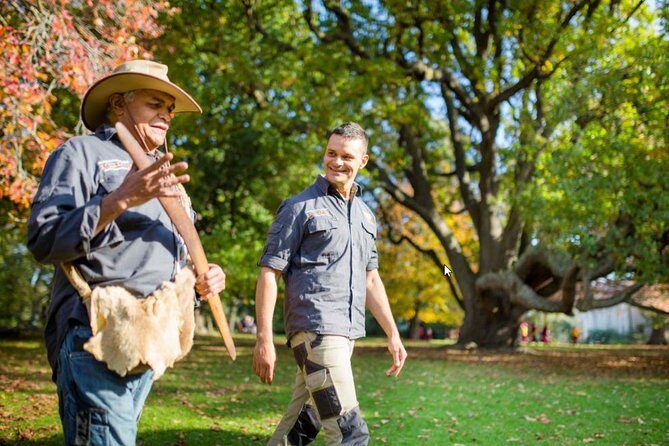
The low rating review you shared is the clearest warning sign: there was a mix-up where someone booked expecting the museum experience but ended up getting a ground tour instead, and it was too late to correct it. While that’s not your likely outcome, it’s the kind of problem that happens when tickets look similar.
Here’s how you avoid it:
- Confirm your voucher clearly says Australian Sports Museum (not a stadium tour product).
- Plan to enter at Gate 3, then follow the museum-entry process for your ticket.
- Don’t assume Gate 3 automatically means you’re going to the museum. Gate 3 serves multiple experiences.
If you want to include both a stadium tour and the museum, treat the museum ticket as its own timed plan, even though the museum itself is self-guided.
Should You Book This Australian Sports Museum Ticket?
Book it if you want a low-stress Melbourne activity with high sports energy. The self-guided format and interactive exhibits make it work for kids and adults, and the MCG location gives it that “this is the real deal” feeling even if you’re just passing through.
Skip or rethink if you’re expecting a guided tour that tells a strict story end-to-end. This isn’t that style. It’s a browse-and-play museum, and it shines when you enjoy exploring at your own pace.
If you’re within Dec 16, 2025 – Aug 9, 2026, the extra pull is Warne: Treasures of a Legend being included, plus the realistic hologram element. That’s where the ticket can become an easy yes, even for people who claim they’re not that into museums.
FAQ
Where do I enter for the Australian Sports Museum?
Entry is at Gate 3 of the MCG.
Is this experience self-guided?
Yes. It’s described as a self-guided museum visit, and you can explore at your own pace.
How long can I stay inside the museum?
You can take your time, and it’s listed as unlimited time inside the museum. The overall visit duration is typically about 1–2 hours.
Do I get the Warne: Treasures of a Legend exhibit with this ticket?
It’s included if you’re visiting between Dec 16, 2025 and Aug 9, 2026.
What if I want the Warne exhibit but I’m outside those dates?
The information provided says you should email [email protected] with your booking confirmation number to arrange a suitable time. Trying to decide on the day has a risk of it already being booked out.
Is the ticket mobile?
Yes, the ticket is mobile.
Is food included with the admission?
No. Food and drinks are not included.
Is public transportation nearby?
Yes. It’s stated to be near public transportation.
Are service animals allowed?
Yes. Service animals are allowed.
Should I worry about walking?
The listing says travelers should have a moderate physical fitness level, so expect some walking and standing through exhibits.
]]>What I love most is the scale of the show. This isn’t a huge theatre production. It’s built for an intimate setup with a limited audience, which makes the surprises land harder.
One thing to consider: the show’s minimum age is 10, so it’s not designed for very young kids who need shorter attention spans.
Key highlights at a glance

- Marriott Hotel setting: an upscale, classical performance room that feels special for a night out
- Luke Hocking’s Impossible Occurrences: an 80-minute performance focused on magic, illusion, and mind-reading
- Small-room energy: a limited audience size that helps tricks feel close and immediate
- Audience participation: you can expect interactive moments, including participation that keeps the whole room engaged
- Discounted food and drinks: 10% off at the Marriott Hotel during your visit
Impossible Occurrences at Melbourne’s Marriott: the vibe you’re paying for
A magic show can be either “on stage” or “in your face.” This one leans hard toward the second. You’ll be at the Marriott Hotel in Melbourne, in a more formal, theatre-style room that feels dressed up without being stuffy. The payoff is simple: when magic happens close to your seat, it stops being background entertainment and turns into something you actually have to watch.
You’re also not stuck with the typical big-production chaos. The show is designed for a smaller crowd, so the energy stays tight. That matters because mind-reading style tricks and audience interaction work best when the performer can actually connect with people rather than just projecting to the back row.
The performance: 80 minutes of magic, illusion, and mind-reading
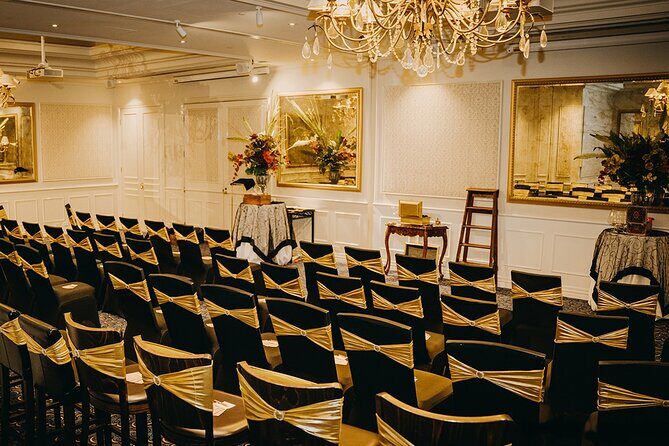
Impossible Occurrences is billed as an 80-minute show by Luke Hocking, described as one of Melbourne’s leading magicians and corporate entertainers. In practice, that mix usually means two things: the pacing is quick, and the show is built to keep the room engaged without awkward dead air.
Expect a sequence of illusions and tricks, plus mind-reading moments. The show also includes audience participation. That combination is where the fun comes from. Pure sleight-of-hand can be impressive, but mind-reading plus interaction is what creates those loud, surprised reactions in a small room.
Your arrival window: why showing up 15 minutes early helps

You’ll want to arrive about 15 minutes before showtime. When you get to the Marriott, a hotel attendant guides you to your seat in the performance room. That early buffer is useful because it lets you:
- get settled without rushing
- find your seat calmly in a general admission setup
- get through any check-in steps without stress
In a small venue, where sightlines matter, being settled early is a quiet quality-of-life win.
Seating and sightlines: general admission that still feels close
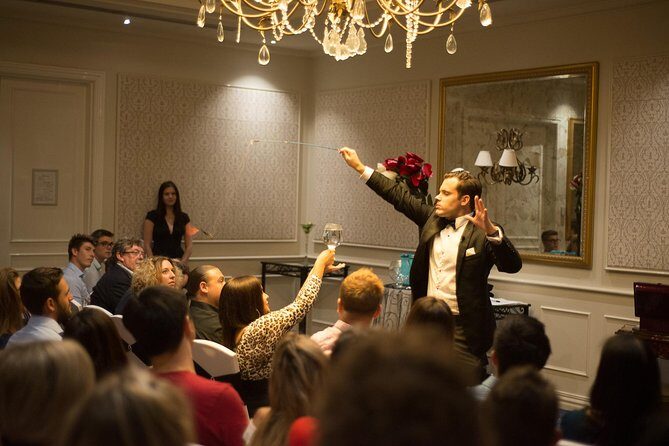
This is general admission seating, not assigned seats. That’s important because your view depends on where you choose to sit. The good news is that the room is intimate, so even later arrivals still tend to get decent sightlines compared to large venues.
What you’re really buying with general admission here is flexibility. If you like being close, aim for earlier arrival and the front sections. If you prefer a wider view so you can see more of the stage action at once, you can choose seats slightly farther back. Either way, the room is sized so you can follow the action without straining.
Audience participation: fun, funny, and not mean-spirited

The show leans into audience involvement, and that’s one of the most praised parts of the experience. In an intimate setting, participation isn’t just a gimmick. It helps you feel like part of what’s happening, which is exactly what makes the mind-reading and illusion beats feel sharper.
Participation also tends to work as a social icebreaker. Couples enjoy the shared laughs. Families often find it easier to stay focused when kids and adults are both included. And since the show is described as high-energy and humorous, the audience moments usually come with plenty of comedy rather than awkwardness.
The venue detail that makes it feel like a special night

There’s something about watching magic in a 5-star hotel setting. The Marriott location gives the experience a “date night” polish without turning it into a formal event. You’re not dressing for a gala, but you are encouraged to dress to impress—so the whole room has a more intentional vibe.
Also, the show room is described as classical and elegant. That kind of space tends to do two things well: it frames the performance nicely and it helps the atmosphere feel more like theatre than a casual event space.
Food and drinks: the practical perk of 10% off at the Marriott
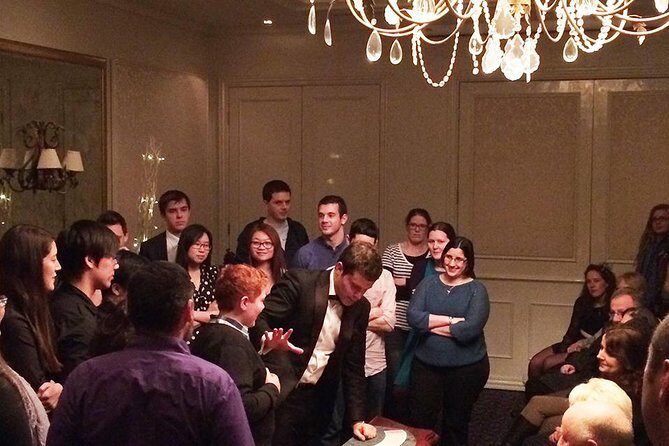
Food and beverages aren’t included in the ticket, but you do get 10% off purchases at the Marriott Hotel. That’s a smart perk because it lets you turn the show into a fuller evening without paying full price for every drink or snack.
My advice: don’t treat this as a meal-included experience. Plan to eat before or after, and use the discount for a lighter add-on like drinks or a snack. In other words, budget for the show price plus a little extra if you want to make it a longer night.
Who should book Impossible Occurrences?

This is a strong fit if you want:
- a high-energy Melbourne magic show that moves fast
- an intimate setting where you feel close to the action
- a mix of magic and mind-reading style moments
- something you can do as a couple, or as a family outing
There’s also a clear boundary: the minimum age is 10. If you’re travelling with younger kids, you may find the pacing and format less suitable. Kids 10 and up can usually handle the interactive nature of the show, especially when they’re participating or watching closely.
Because it’s near public transportation, it can work even if you don’t want to organize a car or private pickup. Just keep your arrival time realistic so you get seated without rushing.
Value check: is $28.65 worth it?
At $28.65 per person, you’re paying for a show that’s about 80 minutes long, with a performer who’s specifically known for innovative performances and corporate-style entertainment. The value comes from a few key things, not just the price tag:
First, the time. You’re getting a full hour-plus of entertainment. That’s a solid chunk for one ticket.
Second, the intimate room. Small venues cost more to run per seat, so when an experience is priced like this, it often means you’re getting a real focus on the performer and the audience connection.
Third, the participation and mind-reading style beats. Tricks can be impressive in a big hall, but mind-reading and interaction tend to be more effective when the performer is truly close to the room.
So yes, for many people this hits a sweet spot: not expensive, not gimmicky, and built for a memorable, slightly mind-bending night out.
Tips to get the most from your seats
A few practical moves can make the difference between good and great:
- Arrive on time (or early) so you can choose a better spot for sightlines in general admission seating.
- Dress to impress if you want the full experience vibe. Even if it’s not formal, the room feels like an event.
- Be ready to participate. If you get pulled into an interaction, go with it. That’s where the laughs and surprises usually peak.
- Plan your food separately. The show isn’t meal-based, but the 10% food-and-drink discount at the Marriott gives you an easy optional add-on.
- Bring your sense of wonder. This is family-friendly fun, but the magic is meant to make you question what you just saw.
Should you book Impossible Occurrences in Melbourne?
If you want a night that feels polished, interactive, and genuinely fun without spending big bucks, I’d book it. Impossible Occurrences is built around an intimate setting at the Marriott, an 80-minute performance by Luke Hocking, and mind-reading plus audience participation that makes the show feel personal.
Skip it only if you’re travelling with kids under 10, or if you strongly dislike interactive shows. Otherwise, this is a great way to add something different to your Melbourne trip—especially if you’re looking for an evening activity that’s easy to fit into a schedule and doesn’t require a long day plan.
FAQ
What is the Melbourne Magic Show Impossible Occurrences?
It’s an approximately 80-minute magic show called Impossible Occurrences, performed by Luke Hocking in Melbourne at the Marriott Hotel.
Where does the show take place?
The show is held at the Marriott Hotel in Melbourne, in an elegant performance room.
How much does the ticket cost?
The ticket price is $28.65 per person.
How long is the show?
The show runs for about 1 hour 20 minutes (about 80 minutes).
Is food included with the ticket?
No. Food and beverages are not included, but you can get 10% off food and beverage purchases at the Marriott Hotel.
What age is the show suitable for?
The minimum age is 10 years. Children must be accompanied by an adult, and it’s noted as not for young children.
Is the ticket mobile and how are seats assigned?
You’ll receive a mobile ticket. Seating is general admission, with seating options available in the performance room.
Is hotel pickup included?
No hotel pickup and drop-off are included. It’s near public transportation.
Can I cancel for a full refund?
Yes. You can cancel up to 24 hours in advance for a full refund. Cancellations made less than 24 hours before the start time aren’t refunded.
]]>Two things I really like about this general admission ticket: the payoff from the windows and the help you get finding what you’re looking at. You’ll have floor-to-ceiling views all around, plus 30 complimentary viewfinders and binoculars that make the landmarks feel much closer than they look from street level.
One heads-up: if you want to upgrade to The Edge, weather can affect it. The Edge may not operate in severe conditions, and that can change how much thrill you get out of your visit.
Key highlights at Melbourne Skydeck (General Admission)

- Express lift to Level 88: You’re up in under 40 seconds, which keeps the whole experience moving.
- 360-degree views from floor-to-ceiling windows: You can scan the CBD, sports precinct, and Port Phillip Bay all the way around.
- 30 complimentary viewfinders plus binoculars: You won’t just stare into the distance; you’ll actually identify what’s out there.
- Outdoor Terrace at 300 meters: The air-lock to The Terrace is the built-in “wow” moment above the city.
- The Edge upgrade adds a glass-cube element: It projects outward for the rush, with clear rules for kids and weather.
Level 88 in under 40 seconds: the fast start you’ll feel
The best part of Melbourne Skydeck is how quickly it gets you to the point. You enter the Eureka Skydeck express elevator and rise to level 88 in less than 40 seconds. That matters because Melbourne is a city of movement. If your schedule is tight, this keeps your sightseeing time efficient.
Once you’re up there, the layout helps you get your bearings without needing a map app. The views are all around you, and the windows wrap the space so you can pivot from one direction to the next as ideas pop into your head: skyline, bay, sports grounds, and beyond.
Your time on-site is usually around 2 to 3 hours, which is a sweet spot. It’s long enough to slow down, find a few angles for photos, and still have time to wander. It’s also short enough that even if your travel day is busy, you can fit Skydeck in without it feeling like a huge commitment.
Also, the ticket is mobile, which is handy when you’re moving between Southbank, the CBD, and other stops. And it’s near public transportation, so you’re not stuck planning a car trip just for one attraction.
360-degree panoramas: what you’ll actually be able to spot
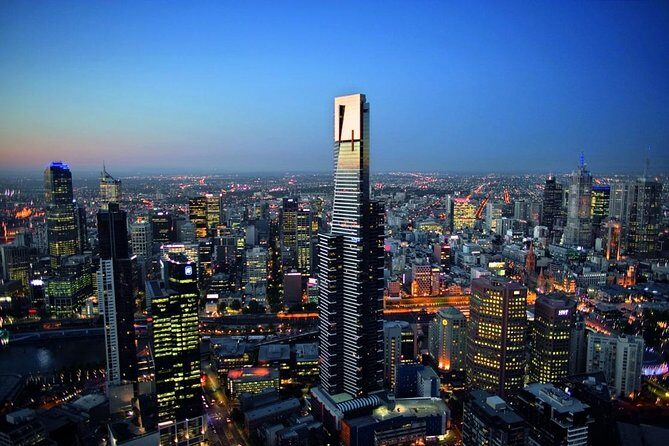
From Level 88, Skydeck is built for orientation. You can see Melbourne’s Central Business District, the nearby sports precinct, and Port Phillip Bay. That’s the core trio that helps your brain “place” the city instantly.
On a clear day, your view can extend out to the Dandenong Ranges. That’s a big deal, because it turns the skyline from a close-up scene into a layered landscape. It makes the city feel bigger, and it gives you a reason to keep looking after the first few photos.
Then there’s the bonus detail: ships out on the bay. You can often spot vessels sailing through the water far below, which adds motion to a view that would otherwise be still. Even if you’re not trying to watch for long, seeing that movement makes the whole place feel alive.
The viewfinders and binoculars are what make this more useful than a generic “stand and look” deck. There are 30 complimentary viewfinders placed around the floor. They help you connect the direction you’re looking with what you’re seeing. For me, that turns Skydeck from a one-minute photo stop into an actual city lesson you can enjoy without homework.
You also get floor-to-ceiling windows, so you’re not stuck with limited angles. You can step a bit, rotate, and reframe as light shifts. That is especially helpful on days when clouds drift in and out.
The Terrace at 300 meters: the outdoor moment that adds punch
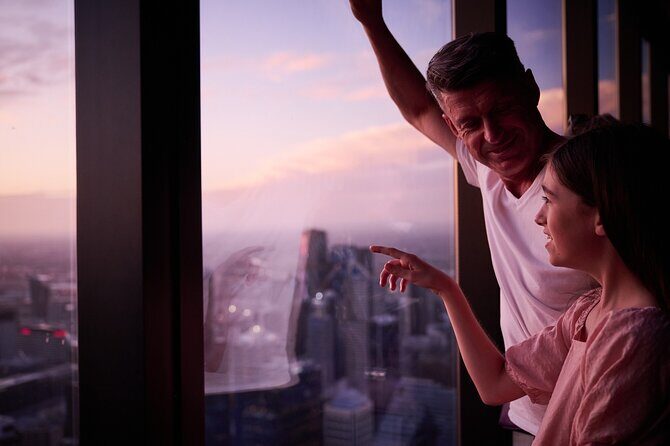
Inside Level 88, you already feel high. But the experience gets more real when you go to the outdoor area called The Terrace. You walk through an air lock to get outside, and then you’re standing 975 feet (300 meters) above the ground.
Why it matters: the human brain reads height as risk, not as “numbers.” The Terrace is where your body understands the scale. You can feel the wind rush in your ears, which makes photos more than just images. They become proof of the moment.
For picture-taking, this is where you should slow down. The wind can affect camera settings, so you’ll want to hold steady and choose your angles carefully. The air-lock step is also useful: it gives your eyes a second to adjust before you hit the open space.
Weather can change the feel of the Terrace. It might be brisk, it might be bright, or it might be drizzly. The good news is you still get great views even if the day isn’t perfect. One strong theme from the experience is that cloudy or drizzly weather can actually make Skydeck feel calmer, so you’re not fighting crowds for your shot.
A smart move is to time your Terrace visit for when you can comfortably stay outside for a few minutes. You don’t want to rush it because it’s the part that turns skyline viewing into something memorable.
The Edge upgrade: glass-cube thrills with real-world limits
If you want more adrenaline, you can upgrade to include entry to The Edge, a glass cube that projects out from Skydeck with you inside it. The value here is simple: it adds “outwardness.” Standing near a window is one thing. Being inside something that extends beyond the building changes your perception immediately.
You do need to know the limits. The Edge may not operate in severe weather conditions, so if the forecast looks intense, your best plan is to treat the upgrade as an extra thrill—not a guarantee.
There’s also an age rule. Children under 7 years old must be accompanied by an adult on The Edge. If you’re bringing a young kid and the upgrade is a priority, plan around adult participation so you’re not stuck at the last minute.
This upgrade is especially worth it if you’re comfortable with heights and you like “controlled fear” experiences. It’s also a good fit if you’re the type of person who wants one standout moment rather than only sightseeing.
If you’re not into thrills or you’re sensitive to height, you can still enjoy the deck without The Edge. The core experience—views, viewfinders, and The Terrace—still does the job.
Time planning: tickets start at 12pm and last entry is 8:30pm
Your ticket is valid for entry on your selected date starting from 12pm, which lines up well with common sightseeing schedules. And you can’t ignore the cutoff: last entry to the Skydeck is 8:30pm.
Since the experience is typically 2 to 3 hours, you’ll want to arrive with a buffer. Even if you don’t need the full time, having breathing room makes the visit feel relaxed instead of rushed.
If you’re aiming for the clearest long-distance view, think about weather. On clear days, you may see as far as the Dandenong Ranges. On overcast or drizzly days, visibility can soften, but the experience can still be excellent. In fact, fewer people around can mean easier photo timing and more space to move.
A practical approach: go earlier in the afternoon for brightness and easier outdoor comfort, or go later when the light is softer. Either way, the layout helps you keep returning to the same spots as you adjust your angle.
Also note: the ticket experience has a maximum of 100 travelers, which usually helps with crowd flow. It’s not a huge venue where you feel swallowed by numbers.
What’s included, what’s not, and why that matters for value
For $27.97 per person, this is a pretty straightforward value equation. Your general admission includes:
- Express elevator to Level 88
- Use of viewfinders and binoculars
That matters because it’s the heart of the experience. The elevator gets you up fast. The view tools help you understand what you’re seeing. Without those, a sky deck can feel like expensive window time. With them, you get more meaning per minute.
Not included:
- Food and drinks
- Hotel pickup and drop-off
So you’ll want to plan meals separately. The best strategy is to treat Skydeck as the main event, then pair it with nearby Southbank or CBD dining afterward. Since you’re likely there for a couple of hours, it’s easy to eat before or after without rushing.
Given the features, the price feels most justified when you’ll actually use the viewfinders, spend time on The Terrace, and (if you choose to) add The Edge for the outward-glass thrill. If you only want a quick photo and you hate crowds, the cost can feel steeper. But if you like orientation and you want views that connect to real places, the ticket makes sense.
Who should book Melbourne Skydeck General Admission?
I think this ticket fits best if you want a high-impact Melbourne overview in limited time. You don’t need to be a skyline expert. The viewfinders do the heavy lifting, and the 360-degree layout helps you read the city quickly.
You’ll likely enjoy it if you’re:
- Visiting Melbourne for the first time and want fast orientation
- Traveling with someone who likes scenic lookouts
- After a photo-friendly experience that doesn’t require hiking
- Comfortable with heights and happy to spend time looking around
It also works for a wide range of people. Most travelers can participate, and the core experience is indoors with options for outdoor time on The Terrace.
If you’re traveling with very small kids, keep in mind the The Edge rule (under 7 needs an adult). But even without The Edge, the windows and Terrace can still be fun if your kids handle outdoor wind and height awareness.
Practical tips for a smooth visit
Because your visit is time-bound (last entry is 8:30pm), I’d plan around your arrival hour and still leave slack. The duration is usually 2 to 3 hours, and that’s without you needing to rush.
Bring a simple plan for photos: pick one direction to start with, then rotate. The viewfinders around the deck reward a slower approach. If you just drift, you’ll miss the value of those prompts.
Also, if you’re hoping for the far-distance look to the Dandenong Ranges, check conditions when you’re close to going. On clear days it can reach further, which changes the whole feel of the panorama.
For mobile tickets, keep the pass accessible so entry doesn’t become a phone-scramble moment. And since it’s near public transportation, you can keep your day moving without needing parking or a cab detour.
Finally, remember The Edge depends on conditions. If severe weather hits, The Terrace and the rest of Skydeck remain the main experience. Don’t let the upgrade decision stress you out.
Should you book Melbourne Skydeck?
Yes, if you want a high-value skyline experience that feels more informative than most. The ticket includes the key pieces that make a view deck worth it: express lift access and view tools that help you identify what you’re seeing.
Skip or delay the Edge upgrade if you’re worried about weather affecting operation, or if heights aren’t your thing. But even then, The Terrace and the 360-degree windows still deliver the big-picture Melbourne payoff.
If your schedule is tight, this is also one of the easier attractions to justify. It’s only a couple of hours, it’s near transit, and it’s designed so you can start fast and make the most of your time.
FAQ
What does the Melbourne Skydeck General Admission ticket include?
It includes the express elevator to Skydeck on Level 88 and use of the complimentary viewfinders and binoculars.
How long should I plan for at Melbourne Skydeck?
Plan for about 2 to 3 hours.
What time can I enter, and what is the last entry time?
Your ticket is valid for entry on your selected date from 12pm. Last entry to the Skydeck is 8:30pm.
Is The Edge included with general admission?
General admission includes Level 88 access, viewfinders, and binoculars. Entry to The Edge is available as an upgrade.
Can The Edge be closed due to weather?
Yes. The Edge may not operate in severe weather conditions.
Is cancellation free?
Free cancellation is available up to 24 hours in advance of the experience for a full refund. Cancel less than 24 hours before the start time and the amount paid isn’t refunded.
]]>You do need to do a bit of legwork though. This is mostly transport, not all-inclusive tastings, so some venues charge extra tastings and require bookings—and you’re responsible for lining that up.
Key things that make this bus day work
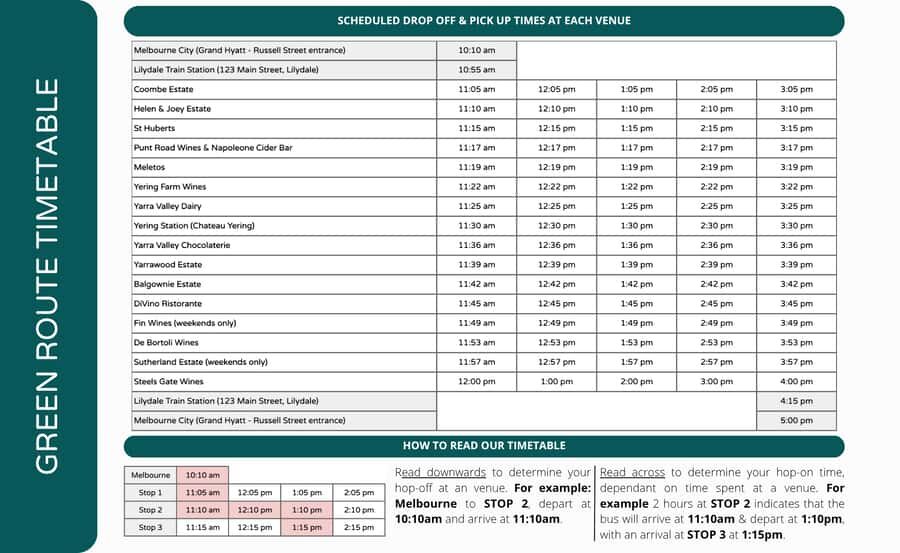
- Two route choices (Red or Green): match your day to what you’re craving, from classic cellar doors to cider, cider + wine blends, dairy, and chocolates.
- Hourly loops: you’re not stuck at one stop all day; the bus keeps coming back on schedule.
- Only transport is included: you get 4 winery stops from the timetable, but tasting fees and purchases are on you.
- Comfort add-ons: bottled water, a storage box for purchases, and commentary make long winery hopping feel less chaotic.
- The guide energy matters: many passengers talk about drivers/hosts like Jon and Sara as calm, funny, and good at getting plans back on track.
Yarra Valley in one day: the big win from Melbourne
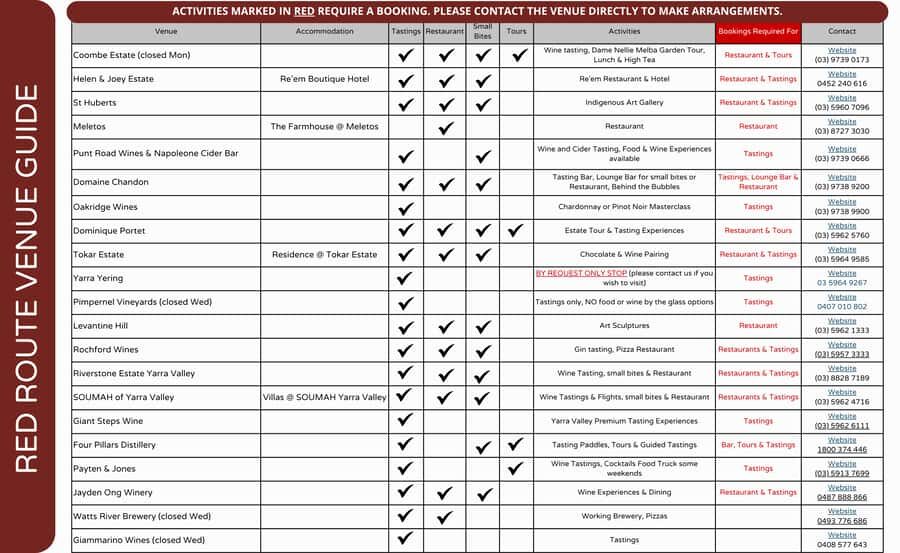
If your plan is Melbourne to wineries and back, the classic problem is time. Ubers and designated drivers add cost, waiting time, and stress. This ticket solves that by moving you between stops while you focus on tasting, food, and the views.
The other big win is mental. You’re not doing the hard part—routing, parking, and figuring out who’s driving. You can walk into a cellar door (or grab a bite) with the confidence that the bus is part of a fixed circuit. The day feels flexible, but still structured.
You start in central Melbourne at the Grand Hyatt Melbourne (Russell Street entrance), across the road from Lune Croissants. That’s a good setup because it’s easy to find, and you can grab a quick coffee or snack before you head out.
Red vs Green routes: pick your drink-and-food personality

This isn’t one generic loop. You choose either the Red Route or Green Route, and then build your day from the stops listed on that timetable.
Both routes start with Coombe Estate, Helen & Joey Estate, and St Hubert’s, so you get a shared core of Yarra Valley classics. After that, the vibe splits.
Red Route highlights: more wine-and-producer variety
The Red list includes:
- Coombe Estate
- Helen & Joey Estate
- St Hubert’s
- Meletos & Napoleon Cider Bar & Punt Road Wines
- Domaine Chandon
- Oakridge Wines
- CherryHill Orchards Coldstream (NOW OPEN for cherry picking)
- Tokar Estate
- Dominique Portet
- Rochford Wines & Levantine Hill Estate
- Pimpernel Vineyards
- Riverstone Estate
- SOUMAH Yarra Valley
- Giant Steps Healesville
- Four Pillars/Payten & Jones Wine (Jayden Ong Winery, Watts River Brewery, Giammarino Wines)
Why Red can be a great match: it mixes established wine names with stops that feel more like a full beverage day—cider, cider + wine, and even beer/brewery connections through the Four Pillars/Payten & Jones stop.
A practical tip: Domaine Chandon is a popular choice for sparkling-focused tastings, and if you like that style, it’s the kind of stop where you may want extra time rather than rushing through.
Also, CherryHill Orchards Coldstream is called out as open for cherry picking. If you’re visiting when cherries are in season, this can be a fun counterpoint to wine-only schedules.
Green Route highlights: another lane with dairy and chocolates
The Green list includes:
- Coombe Estate
- Helen & Joey Estate
- St Hubert’s
- Napoleon Cider Bar & Punt Road Wines
- Meletos
- Yering Farm Wines
- Yarra Valley Dairy
- Yering Station
- Yarra Valley Chocolaterie
- Yarrawood Estate
- Balgownie Estate
- Mandala Wines
- Fin Wines
- De Bortoli Wines
- Sutherland Estate
- Steels Gate Wines
Green is for you if you want the day to include more non-wine food stops. Yarra Valley Dairy and Yarra Valley Chocolaterie add a different rhythm: tastings and snacks without needing to treat every stop like a formal cellar door marathon.
If you’re going with friends who don’t all drink wine in the same way, this route can help everyone find something they enjoy.
How hop-on hop-off works (and why the bus loop matters)
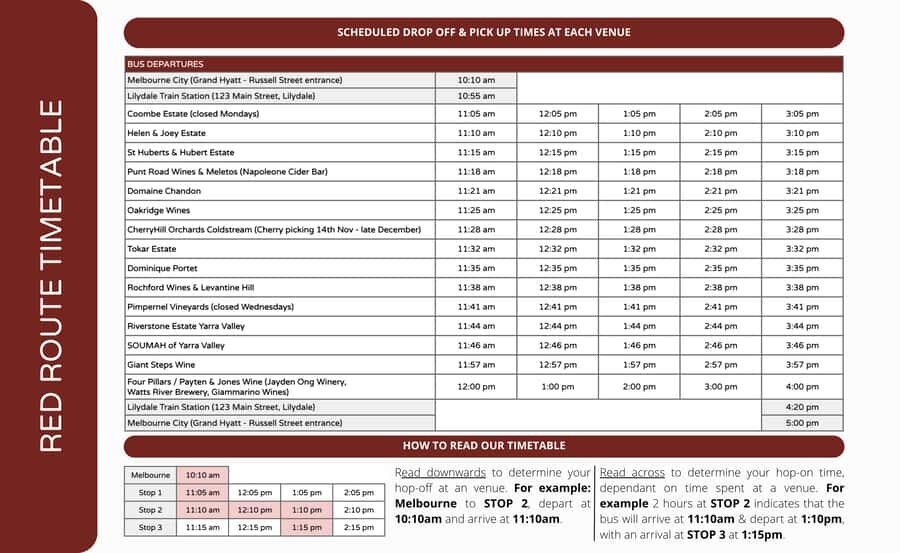
This is a hop-on-hop-off setup with a fixed circuit. The bus loops around every hour, and it uses the timetable for arrival/departure times at each stop.
Here’s the practical part: you’re not just riding around hoping. You’ll use the timetable to choose four stops at wineries from the schedule, and you hop off when it matches your plan. Then you hop back on when the bus comes by again.
That hourly loop is the secret sauce. It gives you breathing room. If one stop runs a bit longer because you end up chatting or you like what you’re tasting, you’re still likely to make your next appointment—assuming you plan for it.
Included vs not included: what you’re paying for

The price is listed as $65 per person, and it’s important to understand what that actually covers.
What’s included
- Transportation between stops
- Commentary
- Bottled water
- Storage box on the bus for purchases
- An audio guide app
- 4 winery stops based on the timetable
The audio guide app is multi-language: English, French, Spanish, German, Italian, Chinese, Korean, Japanese, Hindi, and Vietnamese. That’s handy if you’re traveling in a mixed-language group.
What’s not included
- Tasting fees and any other purchases
So at each winery, you should expect to pay tasting costs if you want the full experience. One way to think about value: you’re buying a smoother, safer logistics layer, not free wine flight after free wine flight.
A small reality check: some venues also have paid tastings and may require bookings. Because this is a hop-on-hop-off model, it’s on you to book those tastings in advance.
Your day plan: how to choose four stops without wasting time
You’ll get the best day when you choose stops that complement each other, not just random big names.
I like using a simple strategy:
- Pick one sparkling/celebration-style stop if that’s your thing (the route includes Domaine Chandon on Red).
- Pick one food-forward stop if you want a break from wine-only pacing (Green has Yarra Valley Dairy and Yarra Valley Chocolaterie).
- Pick two serious wine tastings on the route you chose.
Then you schedule them to match the bus loop, leaving a bit of buffer.
Also, remember you’re not traveling with a designated driver. The bus is your transport anchor, but you’re still managing timing for tastings and pickups. If you want to do multiple paid tastings, build the plan so you’re not sprinting between cellar doors.
What the bus experience feels like on the road
The bus ride isn’t just dead time. There’s commentary, plus the audio guide app if you want to learn more as you roll between stops.
And the human part matters. This service is run by an English-speaking driver/host, and guides like Jon and Sara show up in the kinds of stories people share: organized, friendly, and good at helping you figure out a workable schedule. There’s also mention of hosts like Pat, Ceps, Steve, and Sarah, with the recurring theme being that they’re there to keep things running smoothly.
A nice perk is the storage box on the bus. If you end up buying bottles or other items, you don’t have to hold everything on your lap all day.
Stop-by-stop ideas: what to aim for on each route
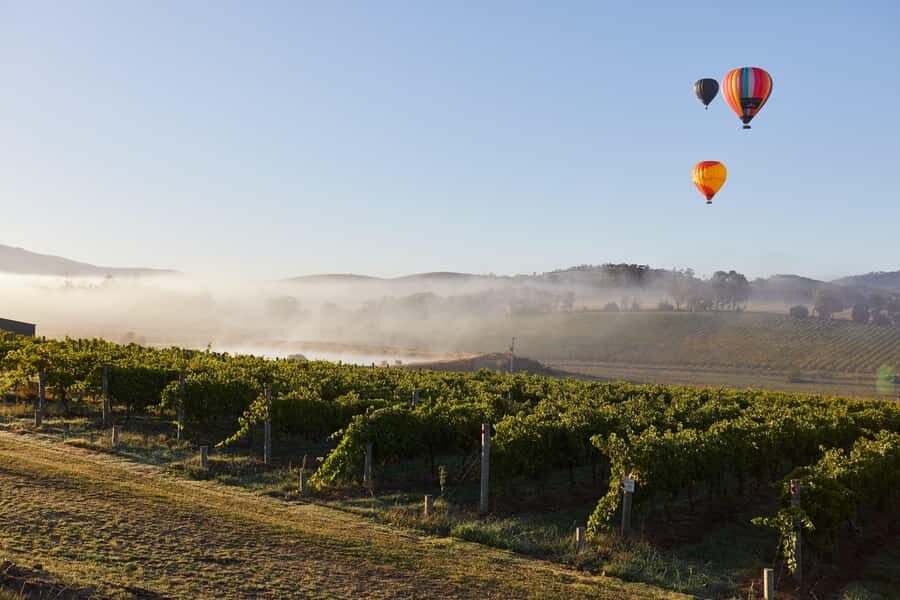
You’ll choose four winery stops from the timetable, but it helps to understand what each route is offering so you can decide fast when you get the timetable.
Red Route stops: wine heavy, with a few fun curveballs
- Coombe Estate / Helen & Joey Estate / St Hubert’s: a classic opener set. These are early stops, which usually makes it easier to get into the day.
- Meletos & Napoleon Cider Bar & Punt Road Wines: a “mixed palate” stop where you can explore beyond straight wine.
- Domaine Chandon: great if you want sparkling-focus tastings. One approach is to plan extra time if you’re pairing wine with food.
- Oakridge Wines / Tokar Estate / Dominique Portet / Rochford + Levantine Hill / Pimpernel / Riverstone / SOUMAH: choose based on your taste. This is the heart of Red if you want a more traditional winery trail.
- Giant Steps Healesville: a named Healesville stop that’s often a highlight for people who like to spend real tasting time somewhere.
- Four Pillars/Payten & Jones Wine (with Jayden Ong Winery, Watts River Brewery, Giammarino Wines): this is your “beverage variety” stop. If your group mixes wine and beer/generic spirit interests, this kind of stop can help.
- CherryHill Orchards Coldstream (NOW OPEN for cherry picking): if you’re visiting when cherries are available, this is the non-wine detour that can make the day feel less samey.
Green Route stops: wine plus dairy and chocolate
- Coombe Estate / Helen & Joey Estate / St Hubert’s: same early anchors.
- Napoleon Cider Bar & Punt Road Wines / Meletos: a good way to mix styles without leaving the circuit.
- Yering Farm Wines / Yering Station / Yarrawood Estate: classic wine names. Pick these if you want a more traditional cellar doors day.
- Yarra Valley Dairy and Yarra Valley Chocolaterie: this is where Green can feel like a full regional food day, not just wine flights.
- Balgownie Estate / Mandala Wines / Fin Wines / De Bortoli / Sutherland Estate / Steels Gate Wines: fill out the rest with the style of wine you want most.
Bottles, snacks, and the real timing of tastings
You’re responsible for booking tastings and meals in advance of the bus trip. Some venues even implement paid tastings regardless of whether you’re driving yourself or with an operator.
So I treat tastings like “events,” not like casual drop-ins. You should plan:
- one tasting where you go in unhurried
- one tasting that’s more about sampling and moving on
- any food stops as pacing breaks
Also, comfortable shoes matter. Winery ground can be uneven, and you’ll be walking between pickups.
One more practical note: the tour is for adults only—not suitable for children under 18—and it’s not suitable for wheelchair users. If you’re traveling with anyone who needs accessibility support, it’s best to look for an alternative plan.
Who should book this hop-on-hop-off bus
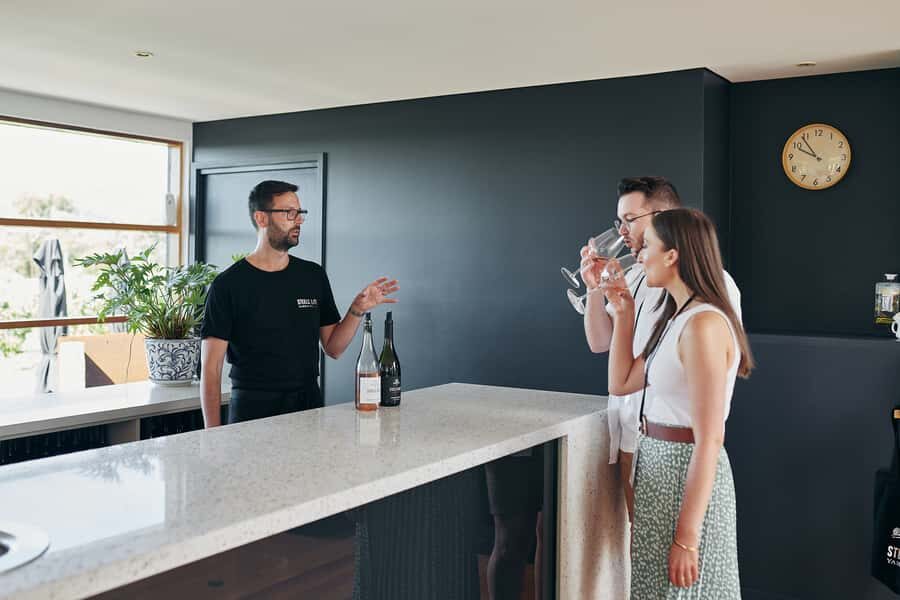
Book it if:
- you want wine country transport without handling a driver
- your group has mixed tastes (wine, cider, beer-style interests, plus food stops on Green)
- you like freedom but still want a timetable so the day doesn’t drift into chaos
Consider another option if:
- your group wants one fully planned, all-inclusive tasting package
- you don’t want to do any advance booking
- you’re traveling with kids under 18 (this one isn’t for them)
Price and value: does $65 make sense?
For $65, you’re paying for logistics done right: the bus, hourly looping, commentary, bottled water, and a way to hop between winery stops without juggling transport.
The trade-off is that tastings are not included. If you plan to do four paid tastings, the total cost of the day will rise quickly. But that’s normal for Yarra Valley experiences. The value here is that you’re not paying for multiple transport legs or scrambling to arrange rides between remote cellar doors.
If your goal is to try a few places you genuinely like (not just check boxes), this can be a smart spend. If your goal is free sampling everywhere, you might feel the costs add up fast.
A quick, honest “should I book” verdict
I’d book this if you want the easiest way to experience Yarra Valley in a single day and you’re willing to book tastings ahead. The hourly loop makes it forgiving, the guide support tends to help keep the day on track (people often cite hosts like Jon and Sara for this), and the included audio/commentary makes the ride useful.
I wouldn’t book it if you hate planning. Since tastings can be paid and some venues require bookings, the day only feels effortless if you take that one step seriously.
If you want, tell me when you’re going and whether you prefer wine-only or wine + food stops, and I’ll suggest a Red or Green pairing strategy that fits a four-stop day.
FAQ
Where do I meet the bus in Melbourne?
Meet at the Grand Hyatt Melbourne (Russell Street entrance), across the road from Lune Croissants.
How long is the experience?
It runs for 7 hours for a day trip. Starting times depend on availability.
Do I get tastings included in the ticket price?
No. The ticket includes transportation and 4 winery stops from the timetable, but tasting fees and purchases are not included. You’re responsible for booking tastings at venues.
How do the Red and Green routes work?
You choose either the Red or Green route and follow the timetable for stop arrival and departure times. The bus loops around every hour, so you can hop on and off within that schedule.
What’s included with the ticket besides transportation?
You get commentary, bottled water, an audio guide app, and a storage box on the bus for purchases.
Is this tour suitable for kids or wheelchair users?
No. It is not suitable for children under 18 and it’s not suitable for wheelchair users.
]]>What makes the museum especially satisfying is the mix: science that you can actually picture, plus cultural context that isn’t tacked on at the end. You’ll move through permanent galleries, temporary exhibitions, and dedicated spaces like the Children’s Gallery and the Bunjilaka Aboriginal Cultural Centre.
If you’re the type who likes to “just do the highlights,” you can still have a great visit. But if you want the full experience, the museum’s size means you’ll likely keep walking longer than you planned.
Key things I’d circle before you go
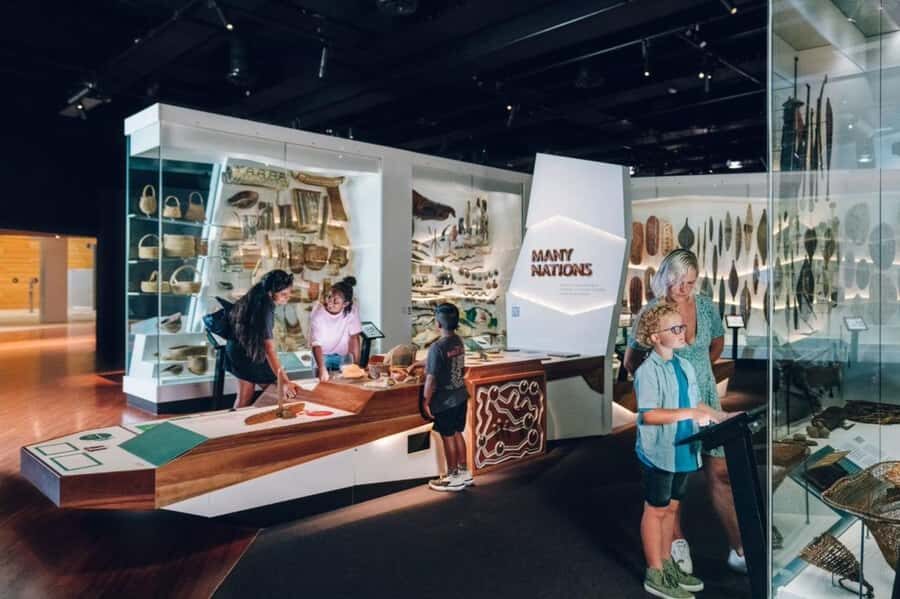
- Triceratops fossil over 1,000 kilos from the late Cretaceous, discovered in Montana, USA
- Horridus dinosaur fossil with 87% real bones, described as the most complete real dinosaur fossil in Australasia
- Forest Gallery with tall trees and wildlife-themed displays that set the pace of the visit
- Science and Life Gallery covering bugs, dinosaurs, fossils, animals, and human biology
- Bunjilaka Aboriginal Cultural Centre with living Koori traditions and knowledge, plus other Australian cultural perspectives
- Phar Lap stable connected to one of the most famous racehorses from Australia’s sporting history
Melbourne Museum: why this $12 ticket feels like a bargain
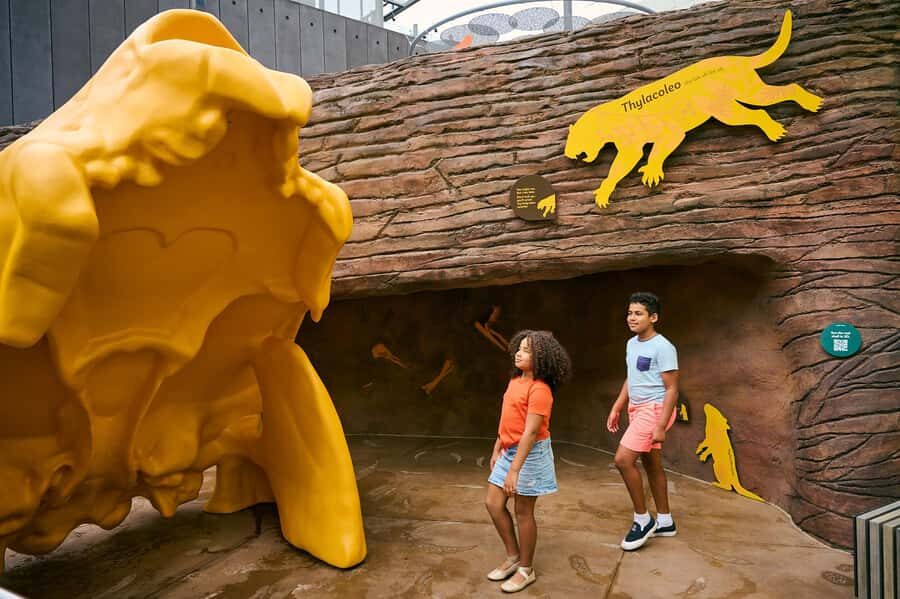
For $12 per person, you’re buying entry to one of Melbourne’s most practical “all-in-one” museum days. You’re not stuck choosing between science or culture, because the museum is designed so you can bounce between them without feeling like you’re switching brands.
This ticket is for 1 day, and you’ll want to check starting times based on availability. It’s a good fit if your schedule is flexible, since the museum experience is naturally self-paced once you’re inside.
The sweet spot here is time. The museum suggests at least 3 hours for a full experience, and I can see why: it’s not just a corridor of displays. You’ll likely keep changing directions as the galleries pull you in different ways.
And yes, you can still add more if you want. IMAX Melbourne tickets aren’t included, so if an IMAX session is on your wish list, plan to grab that separately.
Walking in: Forest Gallery sets the tone fast
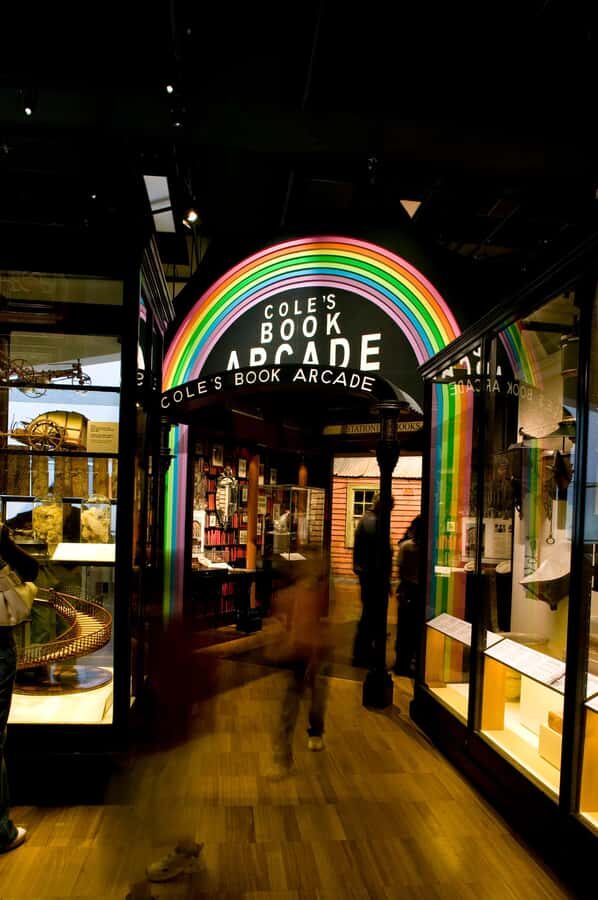
Start in the Forest Gallery, and you’ll understand why it’s the museum’s living heart. This is where the museum shifts from “here’s a fact” to “here’s a place,” with tall trees and wildlife-focused storytelling that makes the science feel grounded.
If you’re traveling with kids, this gallery often works as your warm-up lap. The Children’s Gallery is its own stop later, but the Forest Gallery helps set the museum mood: less lecture, more noticing.
Even if you’re an adult who thinks they already know how museums work, this one helps you get oriented. It’s a good first zone because it slows you down just enough to read.
Science and Life Gallery: science for people who don’t want a textbook
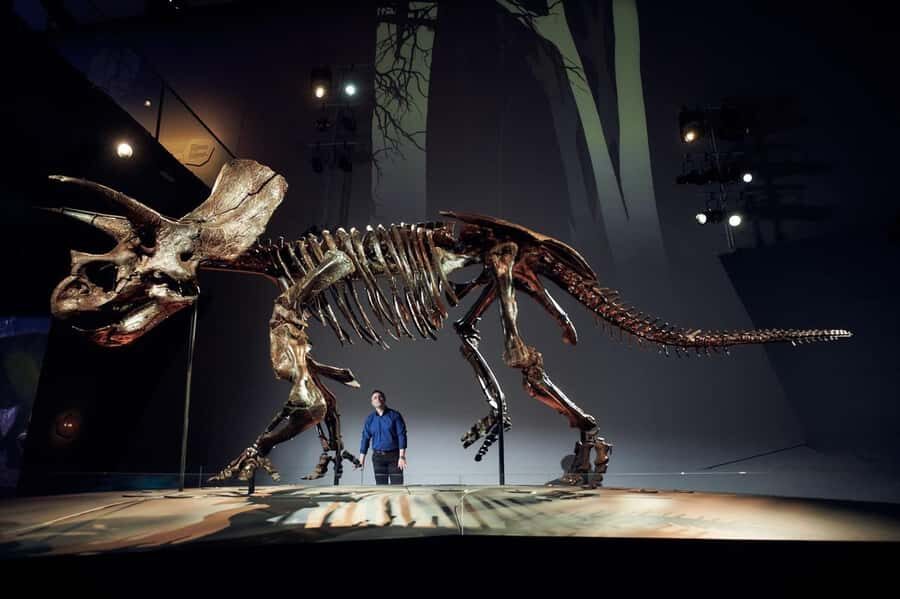
At the west end, the Science and Life Gallery is where the museum goes broad and hands you variety. You can walk through sections on bugs, dinosaurs, fossils, animals, and human biology without feeling like the content is one-note.
What I like about this gallery is the way it connects. You’ll see natural history alongside living systems, and you start picking up the museum’s big theme: Victoria isn’t just a location on a map. It’s an environment, shaped by geology, climate, wildlife, and people.
This is also the part of the museum where you can choose your pace. If you’re strongest on fossils, you can spend extra time where the dinosaurs and fossils are. If biology grabs you more, you can shift attention to the human body displays and keep moving.
Horridus and the triceratops: the fossil moments you’ll remember
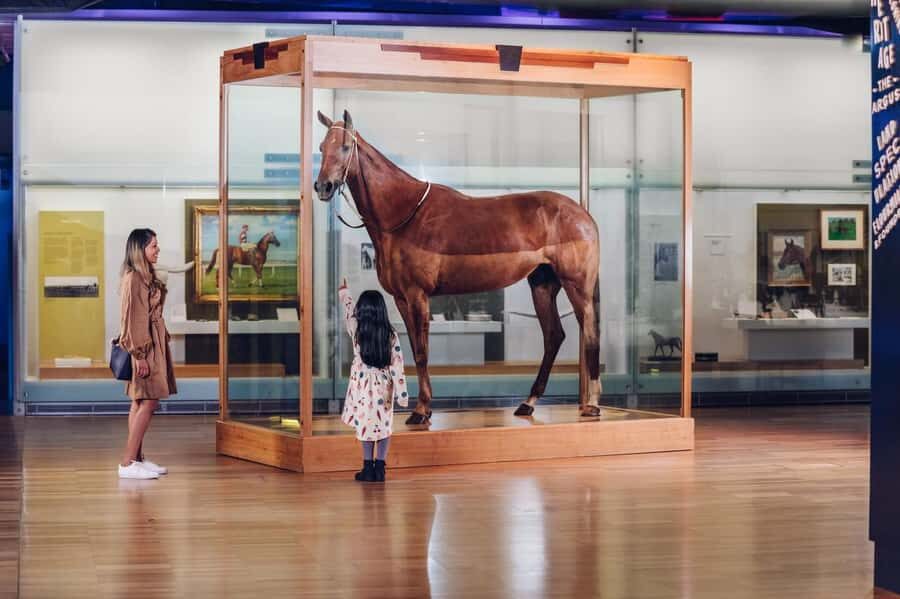
If you like dinosaurs, you’re going to notice that the museum really goes for “show-stopping” here.
First, there’s the triceratops fossil weighing more than 1,000 kilos. The museum tells the story of a globally significant discovery from the late Cretaceous, unearthed in Montana, USA. It was buried under 3.5 meters of sandstone. That detail matters because it gives you scale: the fossil didn’t just appear. It was hidden, preserved, and recovered through serious work.
Then there’s Horridus, a dinosaur skeleton noted for 87% real bones. The museum frames it as the most complete real dinosaur fossil anywhere in Australasia. Even if you’re not a fossil expert, it’s hard not to feel the difference between a full specimen and a partial one. The completeness changes how you see the animal, because you can actually visualize the whole form.
I’d plan your time so you’re not sprinting through these displays. Stand, look, read the labels, and then look again. It’s the kind of stop where a few extra minutes can turn random admiration into real understanding.
Melbourne Gallery and Phar Lap stable: city history with personality

Head to the east end for the Melbourne Gallery, where you shift from nature to city story. This is where the museum helps you connect what you’re seeing outside (urban life) with what’s been happening in the region over time.
One standout in this area is the stable of Phar Lap, the famous racehorse. If you know the name, you’ll appreciate the museum linking that cultural moment to Victoria’s larger history. If you don’t, it’s still a strong point of entry because sports history can be more relatable than you’d expect in a museum setting.
This section is a good “reset” after fossils. You go from millions of years back to human timescales, and that contrast keeps the day from blending together.
Bunjilaka Aboriginal Cultural Centre: where culture is part of the museum, not an add-on
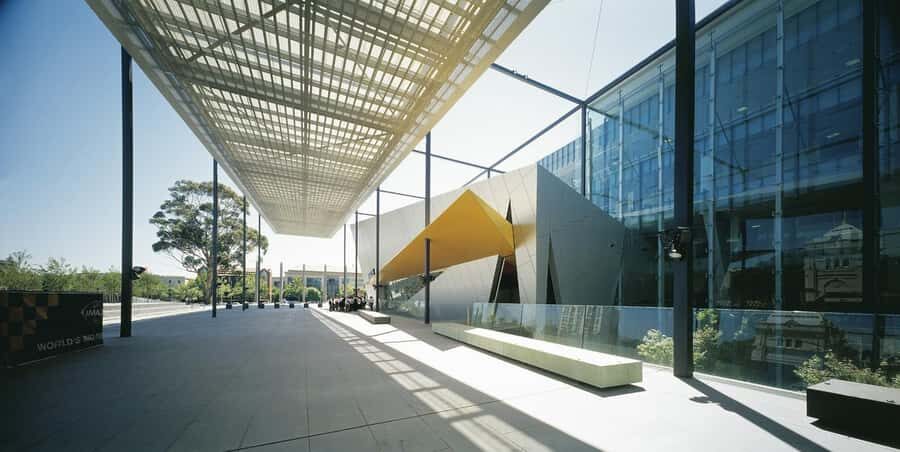
The Bunjilaka Aboriginal Cultural Centre is one of the most important stops. It’s described as imbued with the living traditions and knowledge of Koori people, with cultural perspectives from other communities around Australia.
What I like about this kind of museum space is that it doesn’t feel like a separate attraction. It feels like the museum’s meaning is broader than natural history alone. You’re learning about Victoria’s environment and also about the people who understand that environment through knowledge handed down through generations.
Spend time here rather than treating it like a quick photo stop. Read carefully, and let the exhibits do the work. If you rush, you’ll miss the point.
Children’s Gallery: a fun learning break that still works for adults
The Children’s Gallery is designed so little kids can explore and learn in a fun way. That’s exactly what you’d want if you’re traveling with family and you’re trying to keep the day from turning into an adult-only museum slog.
Even if you’re not traveling with kids, this area can be a relief valve. It’s a different style of learning, and it gives your brain a break from heavy reading after the fossil displays and gallery labels.
The best way to use it: don’t expect it to replace the rest of the museum. Use it as a reset, then head back to the galleries when your group is ready.
How to structure your day inside the museum
You can absolutely do this as a single long visit. But to keep it enjoyable, I suggest you don’t try to do everything in a straight line.
Here’s a practical rhythm that works well:
- Start with the Forest Gallery to get your bearings and set the tone.
- Move into Science and Life for broad coverage and choose one or two deeper interests.
- Add the big fossils next, when you can slow down for reading and looking.
- Finish with the Melbourne Gallery and Phar Lap stable, then move to Bunjilaka for meaning and perspective.
- If you have kids (or just want a break), slot in the Children’s Gallery when you feel the group needs energy.
Also remember: the museum has permanent collections plus temporary exhibitions from near and far. Temporary exhibition schedules and possible closures are something you should check on the museum’s website before you go, so your day doesn’t end with a surprise missing piece.
Price and value: what $12 buys you (and what it doesn’t)
At $12 per person, you’re paying for entry to the Melbourne Museum, full stop. That’s the big value: you’re not nickel-and-diming yourself into feeling like you can’t afford the museum.
The only noted “not included” item is IMAX Melbourne tickets. If IMAX is important to your group, factor it into your budget. Otherwise, you can still build a full museum day without it.
I like this pricing model because you can make the day match your interests. If you’re fossil-focused, spend longer at the fossil-heavy areas. If culture is your priority, you can give Bunjilaka and Melbourne Gallery more attention. The ticket supports you either way.
Who should book this museum entry ticket?
This is a strong choice if you like museums that mix science with culture and don’t force you to choose one theme.
It’s especially good for:
- Families who want a meaningful day plus kid-friendly activities
- Fossil fans who want major displays like the triceratops and Horridus skeleton
- Travelers who want a better understanding of Victoria through both environment and Aboriginal cultural storytelling
- Anyone who likes to spend a half day to a full day wandering and reading at their own pace
If you only have 60 to 90 minutes, you’ll still find highlights, but you won’t get the full payoff. This is a “stay awhile” kind of museum.
Should you book the Melbourne Museum entry ticket?
I’d book it if you want a flexible, self-paced day with real wow-factor fossils and a cultural centre that takes its role seriously. The $12 entry price makes it easy to justify a long visit, and the museum layout lets you build a day around what interests you most.
I’d pause only if your time is very tight or you’re the type who dislikes museum reading. In that case, you might feel rushed and end up skipping the very exhibits that make this place worth more than the admission cost.
If you can give it at least 3 hours, you’ll likely leave with a stack of new connections in your head—dinosaurs, city history, and living culture all in one day.
FAQ
How much is the Melbourne Museum entry ticket?
The price is $12 per person.
What’s included with the ticket?
Admission to Melbourne Museum is included.
How long should I plan to spend at the museum?
The museum experience is suggested to take at least 3 hours for a full experience.
Is IMAX Melbourne included?
No. IMAX Melbourne tickets are not included.
Where do I go when I arrive?
Arrive directly at Melbourne Museum.
Is the museum wheelchair accessible?
Yes, the experience is wheelchair accessible.
]]>