REVIEW · 3-DAY EXPERIENCES
Melbourne to Adelaide 3 Day Tour via Great Ocean Road & Grampians
Book on Viator →Operated by Wildlife Tours Australia · Bookable on Viator
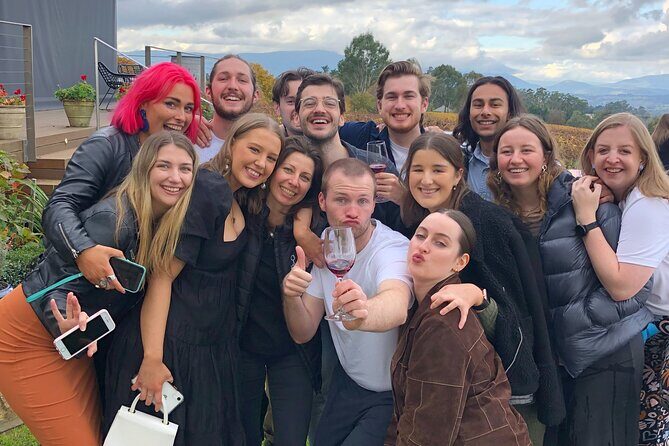
Three days, two parks, one legendary drive. This Melbourne to Adelaide tour strings together the Great Ocean Road icons and the Grampians hiking viewpoints, with a guide who keeps things moving (and interesting). I also like that it’s built as a small-group experience, so the stops feel less rushed and more personal.
My favorite part is how often you’re not just looking at views—you’re also hunting for wildlife. Depending on the season, you might spot seals along the clifftops and even catch a chance at Southern right whales at Logan’s Beach. The main drawback to plan around: the schedule is packed, and the Grampians portion includes hikes that take more effort than the drive itself.
In This Review
- Key things I’d circle before you go
- The Big Picture: Great Ocean Road to Grampians to Adelaide
- Price and Value: What $498.48 Covers (and why it can make sense)
- Day 1: Melbourne to Warrnambool via Great Ocean Road icons
- Melbourne (getting set up)
- Memorial Arch at Eastern View
- Apollo Bay (small seaside town time)
- Great Otway National Park rainforest walk
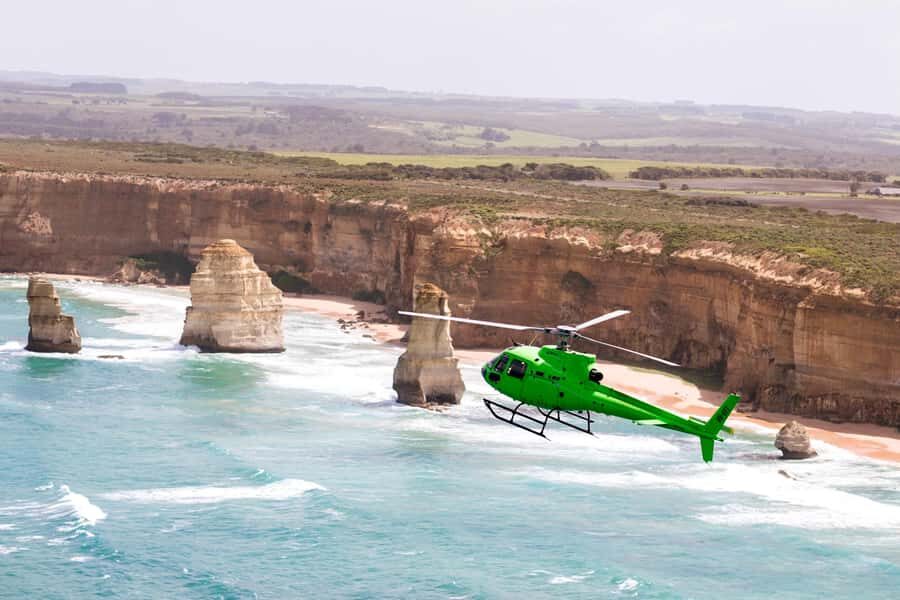
- The Twelve Apostles Lookout
- Loch Ard Gorge
- Overnight in Warrnambool
- Day 2: Tower Hill’s extinct volcano and Grampians viewpoints (Halls Gap base)
- Warrnambool clifftop time and possible whale watching season
- Tower Hill Wildlife Reserve (an extinct volcano)
- Halls Gap (the Grampians town break)
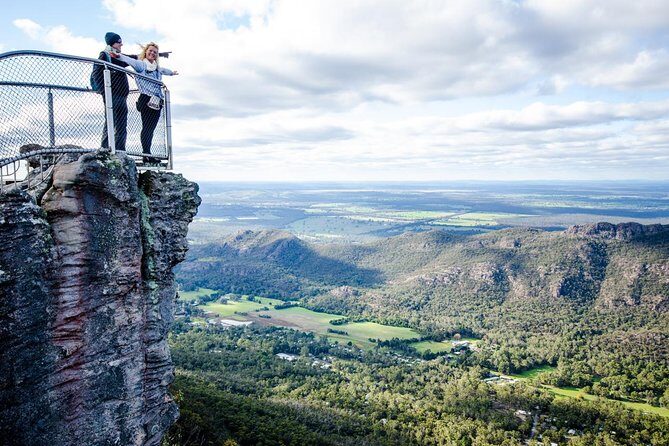
- The Pinnacle hike
- Overnight in the Grampians
- Day 3: MacKenzie Falls, Reeds Lookout, The Balconies, then into Adelaide
- MacKenzie Falls (down to the bottom)
- Reeds Lookout
- The Balconies
- Cross toward Horsham and arrive in Adelaide
- How the guide and small-group format changes the experience
- Wildlife chances: what’s realistic and what to look for
- Walks, fitness, and what “moderate” means in real life
- Luggage, storage, and day-to-day practicalities
- Who this tour is best for (and who should think twice)
- Should you book this Melbourne to Adelaide 3-Day Tour?
- FAQ
- FAQ
- What time does the tour start in Melbourne?
- What time do we arrive in Adelaide?
- What accommodation is included for the two nights?
- Which meals are included?
- Are park entry fees and key attractions included?
- How big is the group, and what kind of transport is used?
- Is the tour suitable for moderate fitness?
- Is there a luggage limit?
- Can I get a full refund if I cancel?
Key things I’d circle before you go
- Small group (max 23) on an air-conditioned coach with live commentary
- Real walking in the Great Otways and Grampians, including a climb to The Pinnacle
- Wildcard wildlife from koalas and kookaburras to possible seals and whales
- Included park fees and key sights like the Twelve Apostles Lookout and Loch Ard Gorge
- 2 nights hostel dorms (shared bathrooms), plus breakfast and dinner on both mornings/evenings
The Big Picture: Great Ocean Road to Grampians to Adelaide
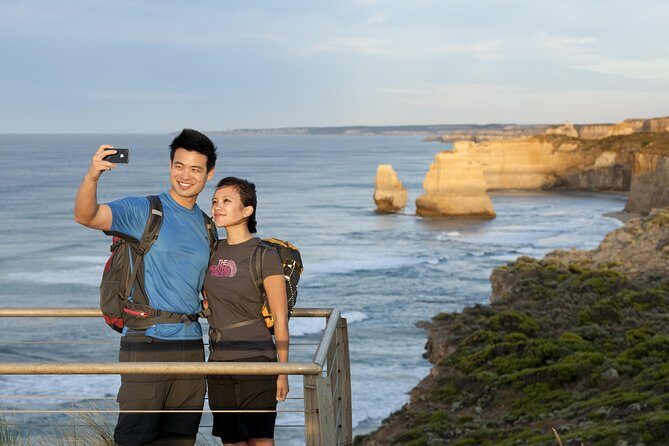
This is a true road-trip style tour: you start in Melbourne early, you spend two nights on the coast and then in the mountains, and you finish in Adelaide around 7:30pm. You’re not renting a car and doing it alone. Instead, you’re paying for the convenience of transport, a guide, and a tight route that hits the famous stops without you having to map every turn.
If you like efficient travel—where each day has a point—this works well. You’ll do a classic slice of Victoria: rainforest walk in Great Otway National Park, dramatic coastal formations at the Twelve Apostles and Loch Ard Gorge, then inland you shift to Grampians National Park (Gariwerd) for viewpoints, rock formations, and waterfall time.
Just know what “three days” means here: it’s not a slow, scenic meander. It’s a full-on itinerary with several short walks plus a couple of more demanding parts.
You can also read our reviews of more tours and experiences in Melbourne
Price and Value: What $498.48 Covers (and why it can make sense)
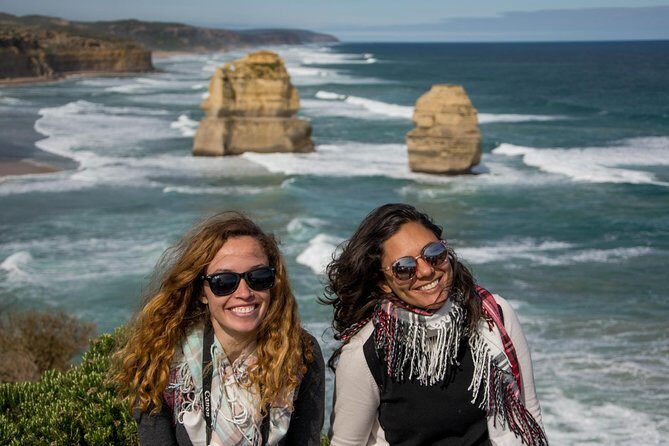
At $498.48 per person, the value mostly comes from what’s already folded in. You’re getting:
- Air-conditioned small-group transport with Melbourne pick-up and Adelaide drop-off
- Two nights in hostel dormitory accommodation with shared bathrooms
- National park entry fees (and included opportunities to spot wildlife and flora)
- A driver-guide with live commentary
- Breakfast (2) and Dinner (2)
- Included entry/tickets for several marquee stops like the Twelve Apostles Lookout and Loch Ard Gorge
What’s not included is equally important for budgeting: meals not listed in the schedule (you’ll find plenty of chances to buy lunch along the way) and personal spending for snacks, drinks, and souvenirs.
I think this pricing can work well if you want to avoid the messy bits—finding parking, timing your day for multiple attraction tickets, and figuring out how to get between coastal lookouts and the Grampians in a way that doesn’t eat your whole vacation.
If you already know you’re going to eat out for every meal anyway and you don’t want hostel-style lodging, then the price might feel heavier. But if shared dorm nights and guided stops don’t bother you, the inclusions help the cost feel less abstract.
Day 1: Melbourne to Warrnambool via Great Ocean Road icons
Day 1 is the classic Great Ocean Road day. It starts with Melbourne pick-up at Immigration Museum, 400 Flinders St around 7:35am, and it’s designed to get you to the coastline while the light is good.
Melbourne (getting set up)
You’re not meant to rush out on your own. The bus gets you moving from the start, and you’ll have time to get your gear sorted before the coastline begins. It’s simple, but it matters—by the time you hit the first real stops, you’ll feel like the day has momentum instead of a slow kickoff.
Memorial Arch at Eastern View
This is a quick photo stop under the historic Memorial Arch at Eastern View. It’s short, but it’s a good “welcome to the Great Ocean Road” moment—especially if you want a clean first frame before the driving really starts delivering big views.

Apollo Bay (small seaside town time)
Next you get a chunk of time in Apollo Bay. This is one of those stops that helps the day breathe. You can stretch your legs, grab snacks, and reset your camera battery before the bus starts stacking the highlights again.
Great Otway National Park rainforest walk
Then comes a guided rainforest walk in Great Otway National Park. Even if you’ve seen rainforest before, the experience feels different here because you’re walking with a guide and staying in one focused pocket rather than just passing by lookouts from a car window.
The practical side: bring a layer. Weather in this region can shift fast, and you’ll want something comfortable for damp conditions.
The Twelve Apostles Lookout
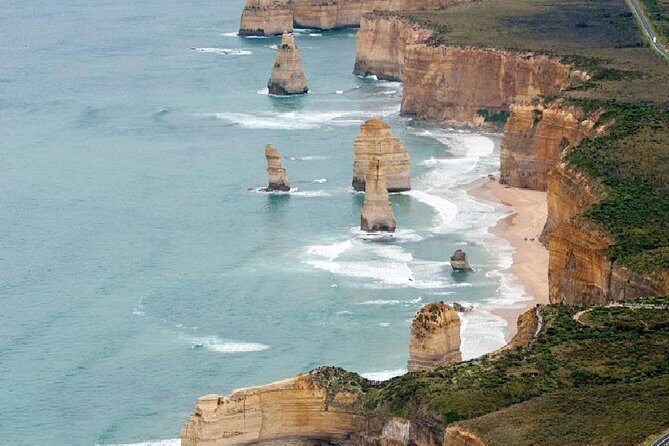
This is the headline. You’ll get time at the Twelve Apostles Lookout for one of the most recognizable cliff-and-sea views in Australia. The payoff is that you’re seeing the coast’s power at close range—wind, waves, and jagged rock shapes all doing their best work in one place.
Do come with a realistic expectation: this is popular scenery, and you’re likely sharing the viewpoint area. The trick is to time your photos and move with the group so you don’t feel stuck waiting.
Loch Ard Gorge
After the Twelve Apostles, you shift to Loch Ard Gorge, with included time for the limestone cliffs and the water below. If you like variety, this stop helps: it’s not just one wide postcard. It gives you a different angle on the coastline’s dramatic carving.
Overnight in Warrnambool
Day 1 ends in the coastal town of Warrnambool. It’s a smart base because the next day’s wildlife spotting is built around clifftop shoreline views.
The one “consideration” for Day 1 overall: it moves quickly. You’ll get breaks, but this is not a leisurely drive. If you hate getting up and moving multiple times a day, pace yourself.
Day 2: Tower Hill’s extinct volcano and Grampians viewpoints (Halls Gap base)
Day 2 starts with more coastline wildlife potential and then moves inland.
Warrnambool clifftop time and possible whale watching season
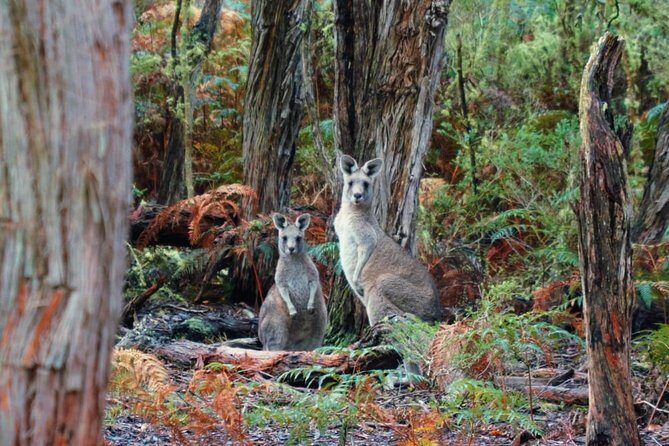
You get time to walk along the clifftop and watch for seals. On top of that, there’s a specific seasonal note: Southern right whales at Logan’s Beach during June to September. If your trip falls in that window, you’ll want to keep an eye out when you’re at shoreline areas and listen for what your guide is scanning for.
Even outside whale season, clifftops can still be a good wildlife bet, and the morning energy usually helps.
Tower Hill Wildlife Reserve (an extinct volcano)
Then you visit Tower Hill Wildlife Reserve, which is described as an extinct volcano area with Aboriginal history and abundant wildlife. This stop adds a different flavor to the trip: instead of only ocean drama, you get a land-and-sky wildlife setting where the terrain itself has a story.
Halls Gap (the Grampians town break)
Next you settle into Halls Gap, the base for Grampians National Park exploring. You get about 45 minutes here, enough to breathe, use facilities, and grab a quick meal if you need it.
The Pinnacle hike
The itinerary includes a hike to The Pinnacle for big views. This is one of the “moderate fitness” moments—nothing suggests it’s technical, but it is a climb and you should treat it as one of your more physical efforts of the tour.
Overnight in the Grampians
You sleep for the night in Halls Gap, right in the heart of the park area. That matters because it reduces travel time the next morning and lets you wake up closer to the waterfalls and lookout points.
Day 3: MacKenzie Falls, Reeds Lookout, The Balconies, then into Adelaide
Day 3 is where the Grampians really shows off: waterfalls and rock formations, then a finish with a long-ish bus ride back to the city.
MacKenzie Falls (down to the bottom)
You go to MacKenzie Falls and there’s included time that emphasizes going to the bottom so you can cool off in the mist. This is the stop that feels most like a payoff for your legs from previous days. If you like “the best part is at the end of the walk,” this is that moment.
Bring something that can handle mist. Even if it doesn’t rain, waterfall air can leave you damp.
Reeds Lookout
Then it’s Reeds Lookout for sweeping views. This is a shorter stop, which is good on the final day when you’re balancing tiredness with still needing to enjoy the scenery.
The Balconies
Next is The Balconies, where you walk out over the Victoria Valley toward a famous rock structure. It’s one of those iconic moments where your feet leave the safety of the bus-era day. If the weather is clear, this is a strong photo stop. If it’s windy or wet, take it slow and watch your footing.
Cross toward Horsham and arrive in Adelaide
After the Grampians stops, you travel west toward Horsham, crossing the Victorian and South Australian border. Then you roll into Adelaide city around 7:30pm—so plan your onward plans carefully. Late dinner near your drop-off will be your friend.
How the guide and small-group format changes the experience
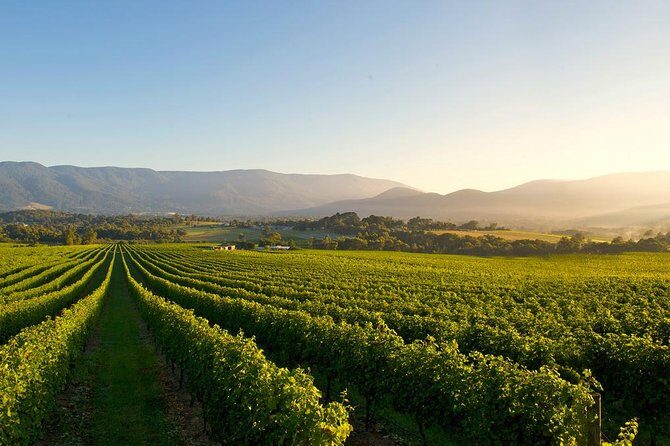
This is run by Wildlife Tours Australia, and your experience is shaped by the driver-guide delivering live commentary throughout the trip. The group size is capped at 23 travelers, which is a sweet spot: small enough to feel human-sized, big enough to keep the bus moving smoothly.
I’ve seen how much value “live commentary” adds on long days. It’s not just facts. It also helps you notice what you’d otherwise miss—wildlife behavior, why a formation matters, where to look from a lookout. If you’re lucky enough to get a standout guide like Jannet (she came up in a 5/5 highlight), you’ll probably feel that the day has a story, not just a checklist.
And here’s the practical win: small groups usually mean fewer silent stretches and fewer situations where you’re waiting on a mega-coach that parks wherever it wants.
Wildlife chances: what’s realistic and what to look for
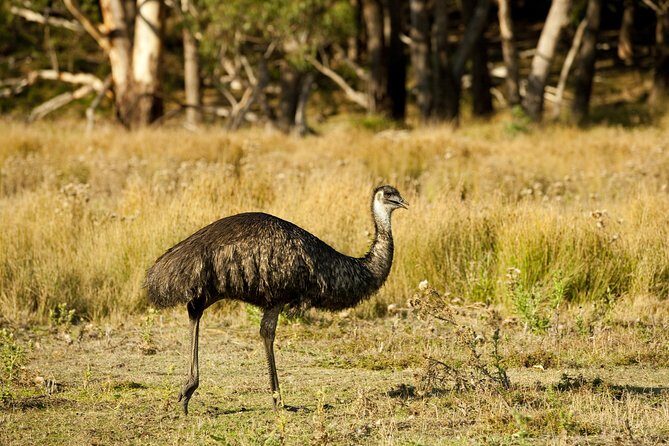
This trip openly leans into wildlife viewing. Your best odds come from the fact that you’re stopping at places where wildlife fits the habitat—not just passing by from a distance.
You might see:
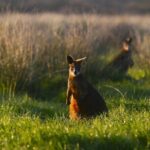
- Koalas, kookaburras, kangaroos, wallabies (general wildlife mentions on the tour)
- Seals from Warrnambool clifftops
- Southern right whales at Logan’s Beach during June to September (season-specific)
A helpful mindset: treat every wildlife stop like a window you can’t control. Weather, timing, and animal movement matter. Your job is to show up quietly, look where your guide tells you, and be patient enough to let something happen.
Also, don’t ignore small birds and smaller movement. Many wildlife moments come from noticing something easy to overlook.
Walks, fitness, and what “moderate” means in real life
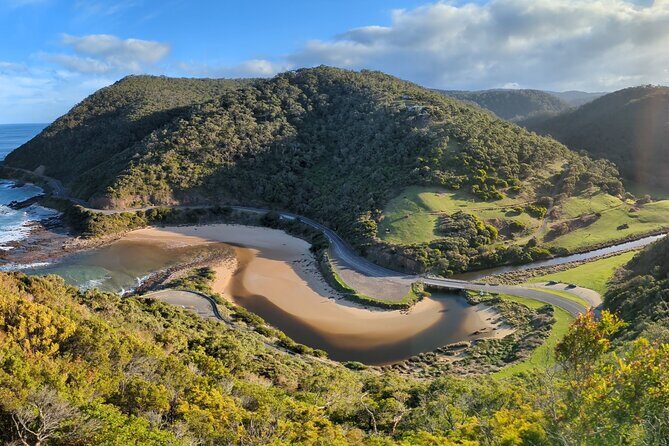
The tour asks for a moderate level of fitness because it includes walks in multiple places. It’s not described as extreme, but it’s not a sit-and-stare ride either.
Here’s how I’d interpret the physical load based on what you’re doing:
- Great Otway National Park rainforest walk: expect a proper stroll on uneven ground
- The Pinnacle hike: a climb that rewards you at the top
- MacKenzie Falls: time at the bottom and mist in the air (bring gear for damp)
- The Balconies: a walk-out over a rock structure area that can be exposed
So if you’re deciding whether this fits you, be honest about stairs, hills, and uneven paths. If those are usually fine for you, you’ll likely enjoy this. If they’re a struggle, you may find the pacing tiring.
Luggage, storage, and day-to-day practicalities
Transport includes luggage space limits: 1 suitcase and 1 carry-on per traveler. The tour also warns that oversized or excessive items (like surfboards, golf clubs, or bikes) may face restrictions.
This matters because you’ll be moving in and out of accommodations and changing viewpoints frequently. Overpacking creates stress. Traveling light makes the whole trip feel easier.
A couple more practical notes:
- It’s operates in all weather conditions, so pack for wind and possible mist
- It’s a mobile ticket, so make sure you can access it on your phone
- Accommodation upgrades aren’t available online (so if you want private options, you’ll need to handle it through the operator directly)
Who this tour is best for (and who should think twice)
This is a great fit if you want:
- A guided, structured Melbourne to Adelaide overland journey
- The Great Ocean Road highlights without car planning
- The Grampians viewpoints and waterfall stops
- Hostel-style lodging that keeps the focus on experiences rather than hotel comfort
It might be less ideal if:
- You hate shared bathrooms or prefer private rooms
- You’re looking for a relaxed pace with minimal walking
- You need highly flexible stop times (this is schedule-driven)
Should you book this Melbourne to Adelaide 3-Day Tour?
I’d book it if you want a high-yield Victoria combo—coast drama, rainforest walking, extinct volcano scenery, then Grampians waterfalls and lookouts—without the hassle of planning each leg. The value improves because park fees, key attraction access, and a big chunk of meals are included, and the small-group cap keeps it from feeling like a cattle run.
I’d hesitate if you’re hoping for a gentler itinerary. This route is packed, and the “moderate fitness” moments are real. Also, if shared dorm nights will ruin the trip for you, you should either budget for an upgrade through the operator or choose a different style of tour.
FAQ
FAQ
What time does the tour start in Melbourne?
The tour starts at 7:35am at Immigration Museum, 400 Flinders St, Melbourne VIC 3000.
What time do we arrive in Adelaide?
You arrive into Adelaide city at approximately 7:30pm.
What accommodation is included for the two nights?
You get 2 nights in hostel dormitory accommodation with shared bathroom facilities.
Which meals are included?
The tour includes breakfast (2) and dinner (2). Meals not listed are not included, and you’ll have chances to grab food along the way.
Are park entry fees and key attractions included?
Yes. National park entry fees are included, and some stops have admission tickets included such as the Twelve Apostles Lookout and Loch Ard Gorge.
How big is the group, and what kind of transport is used?
It’s a small-group tour with a maximum of 23 travelers, using an air-conditioned small-group bus.
Is the tour suitable for moderate fitness?
A moderate level of fitness is required to complete the walks involved in the itinerary.
Is there a luggage limit?
Yes. Each traveler is allowed a maximum of 1 suitcase and 1 carry-on bag. Oversized items like surfboards, golf clubs, or bikes may have restrictions.
Can I get a full refund if I cancel?
You can cancel up to 6 days in advance of the experience for a full refund. If you cancel within 2 days of the start time, the amount paid is not refunded.