REVIEW · CRUISES & BOAT TOURS
Melbourne: Wilsons Promontory Morning Wilderness Cruise
Book on GetYourGuide →Operated by Wanderer Adventures · Bookable on GetYourGuide
The wind off Bass Strait is part of the show. This Wilsons Promontory Morning Wilderness Cruise pairs granite coastline, wildlife spotting, and world-class amphibious boat thrills. Two guides weaved it together with stories and local know-how, like Damo and Nash on the water.
I love that the trip feels built for the park, not just passing views. You cruise to the southernmost tip of mainland Australia (South Point), then keep moving through iconic spots like Skull Rock, with expert commentary as you go. My other big win: you get geared up with a waterproof and windproof jacket, which matters the moment the sea spray hits.
One thing to consider is how water conditions affect what you see and how you feel. The tour requires good weather, and if it’s choppy you may feel it, even with safety and comfort measures in place.
In This Review
- Key highlights that make this cruise worth your morning
- Amelia-sized water thrill: what the amphibious boat changes for you
- Entering Wilsons Promontory from the water: the route you actually care about
- South Point and the granite edge: the southernmost feeling you can’t replicate
- The Glennies, Anderson Islets, and Anser Island: how the stops work
- Norman Beach and Mount Oberon: prehistoric boulders meet white quartz sand
- Skull Rock: the monolith that turns into a face
- Wildlife sightings: seals, dolphins, and why whales depend on the day
- Comfort and weather reality: what to wear and how to not regret it
- Price and value at $109: what you’re really paying for
- Who should book this cruise and who should skip it
- Should you book the Wilsons Promontory Morning Wilderness Cruise?
- FAQ
- How long is the Melbourne Wilsons Promontory Morning Wilderness Cruise?
- What is the price per person?
- Where is the meeting point?
- What is included in the ticket?
- Are food and drinks included?
- What should I bring?
- What language is the tour guide?
- What if the weather is poor?
- What time should I arrive?
- Are service animals and infants allowed?
Key highlights that make this cruise worth your morning
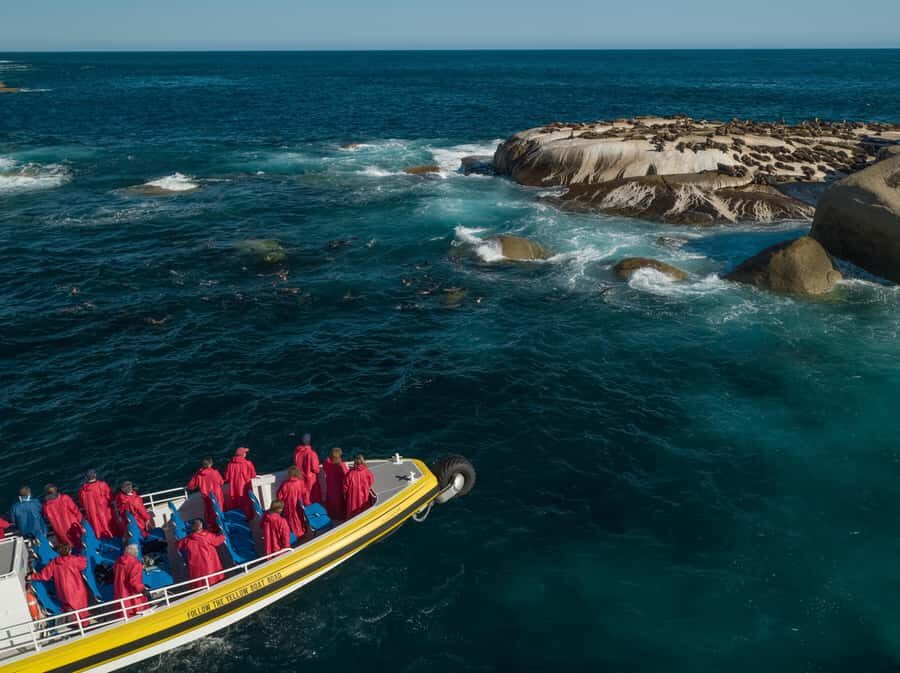
- Amphibious-bot magic in Bass Strait: you travel on a custom vessel designed for this kind of coastline
- South Point stakes: you get the real sense of being at Australia’s southern edge
- Skull Rock gets better as you get closer: the face shapes become more obvious by approach
- Wildlife odds are genuinely high: seals, dolphins, and sometimes migrating whales (day and conditions matter)
- Guides keep it practical and fun: people repeatedly mention warm, efficient, and safety-first hosting
- You’re protected from the weather: jackets are included, and you’ll want warm clothes anyway
Amelia-sized water thrill: what the amphibious boat changes for you
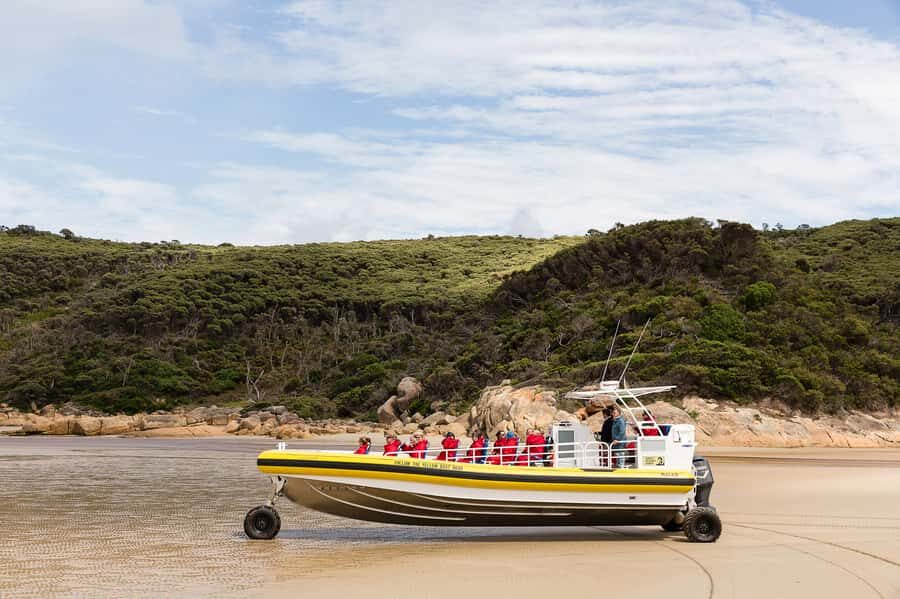
This is not a sit-and-glide harbor cruise. It’s a morning ride designed for Wilsons Promontory National Park’s rugged granite coast and the open, windier feeling of Bass Strait. The big selling point is that it’s on a custom-built amphibious vessel. In plain terms: you get the sense of getting out to the action, even when the coastline looks wild and unforgiving from shore.
Another reason this tour works: your timing is tight. The whole experience is about 150 minutes, so it’s long enough to reach the major highlights and return, but short enough that you’re not stuck all day if you just want the “must-sees” of the Prom. You also get a live English guide on board, which is a huge value add. The commentary helps you connect what you’re seeing (geology, wildlife, coastline names) to why the area matters.
Finally, the comfort package is smart. You’re provided a waterproof and windproof jacket, which means you can focus on the outdoors instead of hunting for gear at the last minute. Warm clothing is still on your list, but the basics are covered.
Entering Wilsons Promontory from the water: the route you actually care about
From the moment you check in, the pace is designed for viewing. You’ll meet at the ticketing office in the same building as Tidal River Open Air Cinema. Then you check in 30 minutes before departure, which gives time for a safety briefing and getting to the vessel without that last-minute scramble.
Once you’re underway, the early portion of the cruise is about getting oriented and setting the scene:
- You’ll head into the waters around Bass Strait and toward Victoria’s first marine national park.
- You’ll see the southernmost point of mainland Australia, South Point, which is one of those places that feels bigger when you reach it by water rather than by road.
After that, the tour starts moving through the coastline highlights that people remember long after they’re back in Melbourne. The ship-time between stops is part of the value because that’s when you get wildlife chances and your guide can connect names to real visuals.
The key idea here is simple: you’re not just collecting photos. You’re moving through the Prom’s “why.” Granite, tide-sculpted rock, marine life, and the geography of the islands all show up in sequence.
South Point and the granite edge: the southernmost feeling you can’t replicate
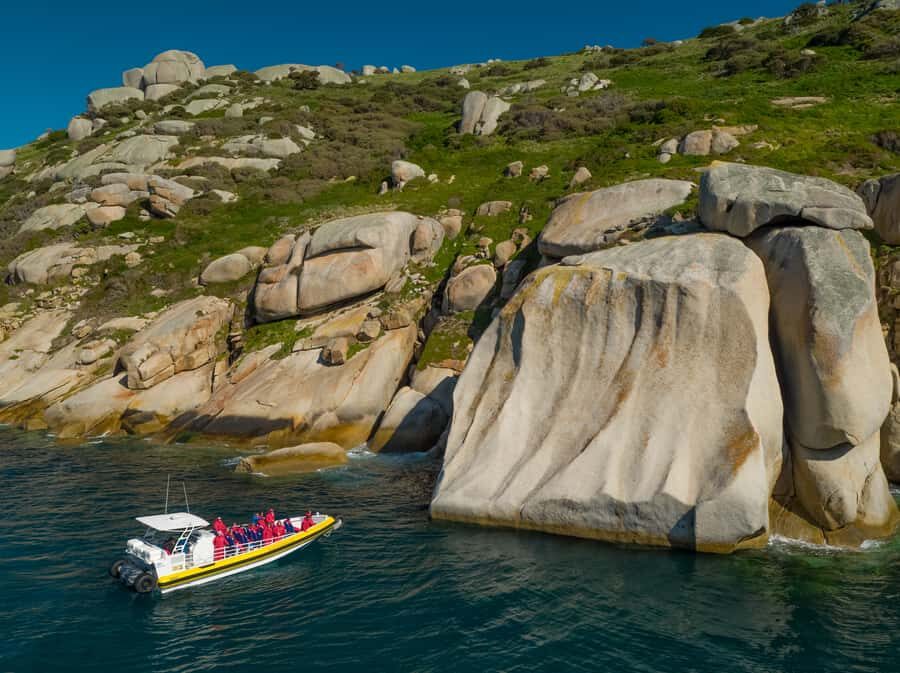
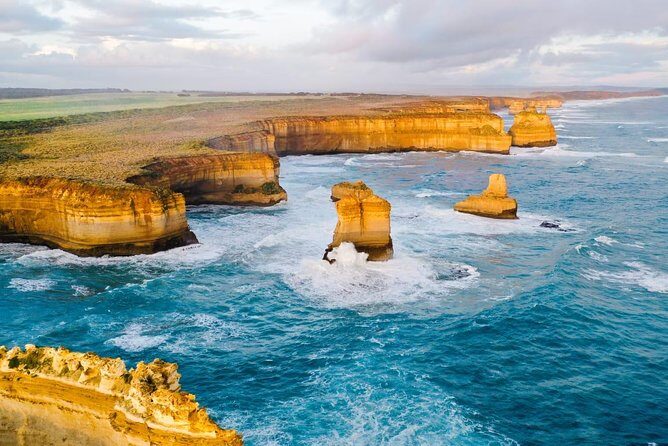
South Point is the anchor for this cruise. Even if you’ve seen it on a map, being near it is a different experience. From the water, the Promontory’s coastline looks raw and engineered by waves over time, with the sea doing most of the heavy work. It’s the kind of place where you understand why people call it a dramatic national park, because you’re watching the ocean push and pull against rock instead of reading about it.
This is also where the boat ride turns from scenic to memorable. The amphibious design is part of the fun, but what you’ll really feel is the motion and the wide-open water view. That “we’re out here” feeling helps you notice small details your brain would otherwise skip: bird activity, seal movement, and how the coast curves around inlets and islands.
If your top priority is feeling the Prom’s geography in a single morning, South Point is your best payoff.
The Glennies, Anderson Islets, and Anser Island: how the stops work
After South Point, you’ll cruise along a set of points with big visual payoff: The Glennies, Anderson Islets, and Anser Island. These names matter because they’re tied to the way the area shelters marine life and shapes wildlife routes.
What to expect at these stops:
- You’ll be searching the waterline as much as the horizon. Many wildlife sightings happen near the coastline edges, not out in the middle.
- Your guide’s job here is to help you read the scene. When you learn what you’re looking for, it changes the whole experience from guessing to spotting.
One practical note: wildlife spotting is never a guarantee. The tour is built to maximize your odds, but conditions matter. Wind, swell, and visibility affect both the animals’ behavior and how comfortable you’ll be scanning for them. Still, this is one of the best parts of the cruise because the scenery keeps changing and you’re not staring at one block of coastline for too long.
Norman Beach and Mount Oberon: prehistoric boulders meet white quartz sand
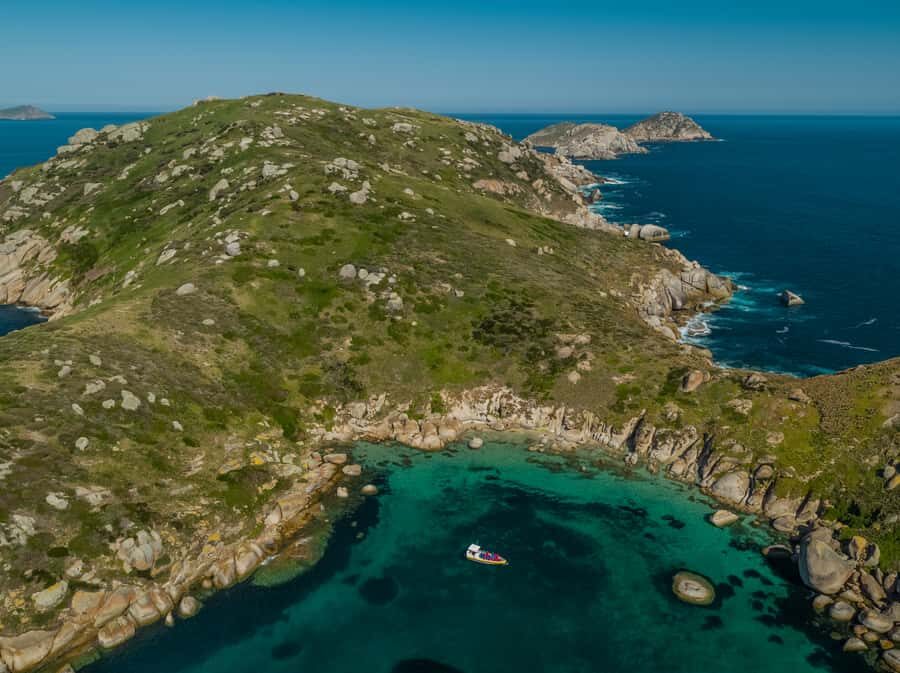
The cruise gives you a geology moment that doesn’t feel like a lecture. You’ll move past the prehistoric boulders of Mount Oberon, located behind Norman Beach with its white quartz sands.
This section matters because it gives your eyes something different:
- The coastline isn’t just jagged for drama; it’s a record of erosion and rock history.
- The contrast between pale sand and darker rock helps you understand how the Prom’s shorelines work.
It’s also a good mental reset. After island watching and open-water searching, the Norman Beach/Mount Oberon area shifts your attention back to form, texture, and how the land meets the sea.
If you care about coastal geology or simply like “how was this made” questions, this stop makes the cruise feel richer than just wildlife and motion.
Skull Rock: the monolith that turns into a face
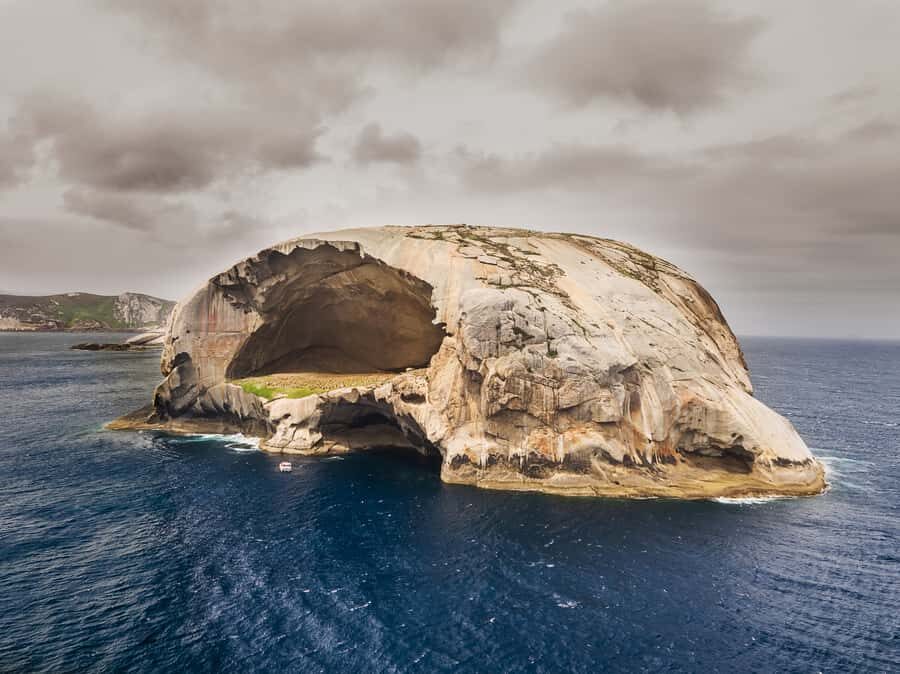
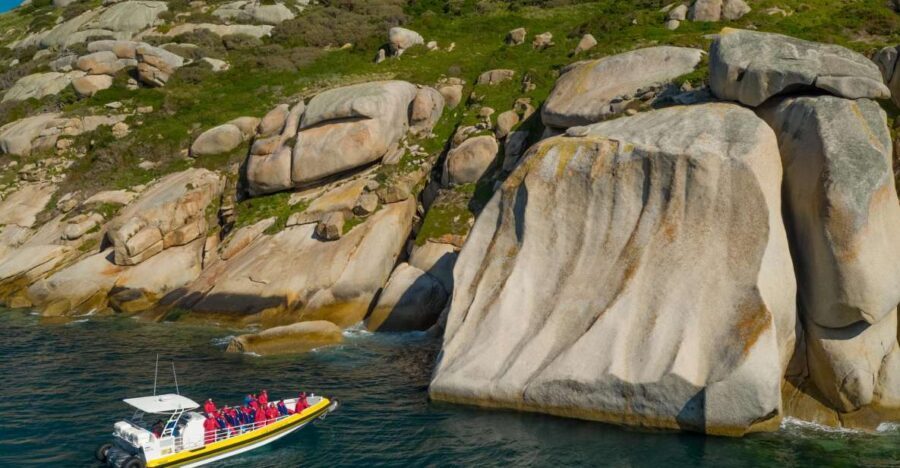
If you do only one thing on the water, make it this: watching Skull Rock. It’s a granite monolith that gets eerie in the best way, because it’s surrounded by crystal-blue water and shaped like a face.
Here’s what’s special about the approach: the guide will bring your attention to the way Skull Rock’s skull-like shapes become more visible as you get closer. In other words, it’s not just one angle photo. The monolith reveals more of its face as the boat positions you around it.
And Skull Rock is also where the cruise energy often peaks. The ride feels a little more intense, the sea spray can be real, and the guide’s commentary gives you something to focus on besides the motion.
From a value standpoint, this stop is doing heavy lifting. It’s iconic, it’s visually distinctive, and it ties into the wider story of the coast’s granite structure.
Wildlife sightings: seals, dolphins, and why whales depend on the day
This cruise is marketed for wildlife, and the odds are genuinely part of the reason people book. You’ll be in a marine national park with a strong marine presence, and the wildlife you’re most likely to track includes:
- Thousands of seals
- Dolphins
- Migrating whales (season and conditions can affect whether you see them)
A couple of real-world notes from the experience data you should take seriously:
- If the water is rough, it can reduce whale sightings simply because it’s harder to spot and more uncomfortable to scan for surfacing blows.
- Even without whales, the seals and dolphins can make the cruise feel alive.
There’s also a good safety-comfort combo in how the tour is run. Multiple guests describe staff making check-ins during the ride and offering support if anyone feels off. Some reported being offered ginger tablets for motion sickness prevention, which is helpful if you’re sensitive to waves.
My practical advice: treat wildlife as an active sport on this cruise. Keep your eyes moving, listen for what the guide cues you to watch, and don’t get locked onto one possibility. The best sightings often come from quick looks at the waterline rather than constant staring up at the horizon.
Comfort and weather reality: what to wear and how to not regret it
This activity needs good weather. If it’s canceled due to poor weather, you’ll be offered a different date or a full refund. That’s the honest deal. Sea conditions affect both comfort and wildlife viewing.
So plan to dress like you’re going out on a windy ocean. Even though you get a waterproof and windproof jacket, you should bring warm layers. The tour also runs in a morning slot, so temperatures can still feel cool even when Melbourne looks mild.
One more comfort detail: the ride can be exhilarating. Some people specifically note that choppy days reduce what you see (like whales) and increase motion. If you’re prone to seasickness, this is your warning sign to come prepared, using what’s offered on board (like ginger tablets if available) and staying mindful of your body during stronger waves.
Also, expect you might get wet. A couple of guests mention getting wet being part of the fun, and you’ll be in a coastal environment where spray isn’t avoidable.
Price and value at $109: what you’re really paying for
At $109 per person for about 150 minutes, you’re paying for three things that add up quickly:
- A specialized boat experience on a custom-built amphibious vessel (not a generic charter).
- Targeted navigation to signature sites like South Point and Skull Rock.
- Live guiding that turns names into real understanding, not just background chatter.
Food and drinks are not included, so factor that into your overall day plan in the Melbourne/Wilsons Promontory area. This cruise is about the ocean, not a meal service. If you want a full day experience, pair it with a time on land before or after, but don’t expect this ticket to cover lunch.
You’ll also appreciate the high satisfaction with transport and overall operation, with 96% of reviewers scoring it perfect. That’s a sign the crew is running a tight ship, which matters when you’re dealing with weather and sea conditions.
Who should book this cruise and who should skip it
This one is a strong fit if you want:
- A guided nature trip in the Prom with iconic, easy-to-spot landmarks
- A morning activity that delivers big visuals without a full-day drive and hiking plan
- Wildlife chances with a guide to help you spot and understand what you’re seeing
It’s less ideal if:
- You’re highly sensitive to choppy water and you can’t handle boat motion even with precautions
- You’re expecting food included or a calm, gentle sightseeing pace
If you’re traveling with kids, this can work well too, because the ride is fun and the landmarks are clear. One guest even celebrated a birthday on board and described it as a standout experience for the group, including older visitors. The point: the cruise is structured for comfort and safety, not just speed.
Should you book the Wilsons Promontory Morning Wilderness Cruise?
If your priority is South Point, Skull Rock, and marine wildlife in one guided morning, then yes, you should book this cruise. At $109 for 150 minutes, you’re paying for a specialist vessel, real coastline access, and live interpretation that makes the scenery make sense fast.
My decision rule is simple:
- Book it if you can dress warm, you’re okay with getting a bit wet, and you want an active wildlife-and-landmark morning.
- Reconsider if rough seas are a deal-breaker for your comfort, or if you’re traveling expecting a guaranteed whale sighting. You’re going for the odds and the experience, not a promise.
If the weather is decent, this is one of those tours where the boat ride is part of the attraction and the landmarks feel earned.
FAQ
How long is the Melbourne Wilsons Promontory Morning Wilderness Cruise?
The cruise lasts 150 minutes.
What is the price per person?
It costs $109 per person.
Where is the meeting point?
Meet at the ticketing office in the same building as Tidal River Open Air Cinema.
What is included in the ticket?
Your ticket includes the boat trip, a guide, and a waterproof and windproof jacket.
Are food and drinks included?
No. Food and drinks are not included.
What should I bring?
Bring warm clothing.
What language is the tour guide?
The live guide is English.
What if the weather is poor?
The experience requires good weather. If it’s canceled due to poor weather, you’ll be offered a different date or a full refund.
What time should I arrive?
Check in 30 minutes before the departure time for the safety briefing and getting to the vessel.
Are service animals and infants allowed?
Service animals are permitted on board, and infants must sit on laps.