REVIEW · ZOOS
Tiger Experience at Melbourne Zoo – excl. entry
Book on Viator →Operated by Zoos Victoria · Bookable on Viator
Tigers, up close, with backstage access. This short Tiger Experience at Melbourne Zoo pairs you with a Carnivore Keeper and an experienced ranger for a training or enrichment session with resident tigers Hutan or Indrah.
I like that it’s a true small-group setup (maximum 8), so the ranger time feels focused instead of rushed. I also like the conservation angle, since you’ll learn how the team supports critically endangered cats and their wild cousins.
The main drawback is simple: you’re paying for the tiger experience only, not general zoo entry, so the total cost can feel like a lot if you were hoping for a long, flexible zoo day. Also, if you’re sensitive to animal enclosure impacts, go in with eyes open to what you might see during a short viewing.
In This Review
- Key points before you go
- Tiger Time at Melbourne Zoo: what this is (and what it isn’t)
- Price and value: $63.83 plus you’ll likely pay for entry
- Meet at Melbourne Zoo Elliott Ave: timing, group size, and getting oriented
- Backstage with a Carnivore Keeper and Ranger: what happens during the experience
- Training vs enrichment: how to watch without missing the point
- Hutan or Indrah: resident tigers and what you can learn from whichever is featured
- The conservation angle: why the ranger talk matters
- A fair heads-up on the ethical and comfort concerns
- Staff friendliness is real: what you’ll likely feel in the moment
- Who should book this Tiger Experience (and who might skip it)
- Should you book the Tiger Experience at Melbourne Zoo?
- FAQ
- What is the Tiger Experience at Melbourne Zoo, excluding entry?
- How long does the experience last?
- What time does it start, and where do I meet?
- Is general admission included in the price?
- How many people are in the group?
- Do I get a mobile ticket?
- What’s the cancellation window for a full refund?
Key points before you go

- Small group (max 8): more ranger attention, less crowd noise.
- Backstage access: you’re watching from a ranger-led moment, not just behind glass.
- Hutan or Indrah: you’ll meet whichever tiger is featured that day.
- Training or enrichment: you’ll see how caretakers use routines to support natural behaviors.
- Conservation talk included: why these critically endangered animals need protection.
- Zoo entry not included: plan your day and budget accordingly.
Tiger Time at Melbourne Zoo: what this is (and what it isn’t)

The Tiger Experience at Melbourne Zoo is built to be short and specific. Expect about 25 minutes with the Carnivore Keeper and ranger team, focused on one moment with the tigers. You’re not signing up for a full guided walkthrough of the zoo.
What makes it interesting is the format: you watch a training or enrichment session and you get explanations from the people who care for Hutan or Indrah. That changes the vibe. Instead of only admiring stripes, you’re learning why certain behaviors happen and what the staff is trying to achieve.
Also, this is a mobile ticket activity. That matters because it keeps things quick at the start. You’ll still want to arrive early enough to check in smoothly, but there’s less fuss once you’re there.
You can also read our reviews of more tours and experiences in Melbourne



Price and value: $63.83 plus you’ll likely pay for entry
The listed price is $63.83 per person, and it’s excl. entry. So the biggest value question for you is whether the backstage tiger session feels worth the extra cost on top of admission.
Here’s how I’d judge it:
- If you want more than standard viewing—meaning ranger explanations and a training/enrichment moment—this is the kind of add-on that can make the visit feel complete.
- If you’re mainly coming for a long zoo day with lots of exhibits, spending extra on a short 25-minute program can feel hard to justify.
One practical tip: treat this like a “special chapter” added onto your Melbourne Zoo day, not the whole story. If you’re budgeting, price it as experience + zoo entry from the start, so you’re not doing mental math while you’re hungry or tired.
Meet at Melbourne Zoo Elliott Ave: timing, group size, and getting oriented

The meeting point is Melbourne Zoo, Elliott Ave, Parkville VIC 3052, and the start time is 9:15 am. It runs back to the meeting point when you’re done.
A few details that help you get value out of a short tour:
- It’s near public transportation, so you can plan around trains/trams/buses rather than relying entirely on rideshares.
- Confirmation comes within 48 hours (subject to availability), so you can usually lock it in, but don’t assume it’s instant on booking.
- It’s maximum 8 people, which is great for Q&A, but it also means the session can feel structured. Show up on time.
About zoo navigation: the zoo layout can feel confusing if signage isn’t your thing. I’d give yourself a little extra buffer time before the 9:15 start so you can find Elliott Ave and the right check-in spot without stress.
Backstage with a Carnivore Keeper and Ranger: what happens during the experience
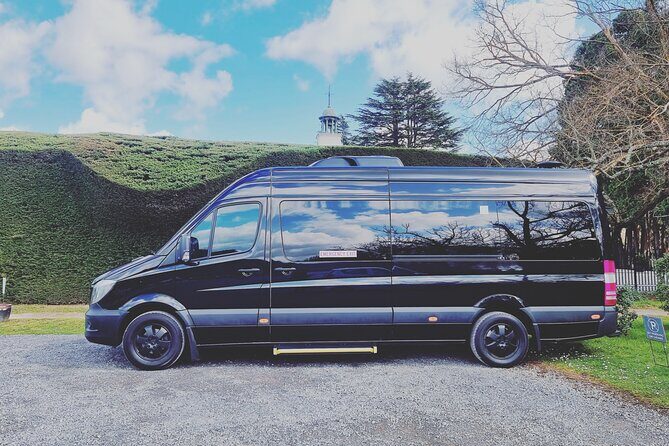
This is the core of the value. You won’t just be standing and looking. You’ll join a Carnivore Keeper and one of the rangers behind the scenes, learning as you watch.
In practical terms, that usually means three things:
- The ranger is actively translating what you’re seeing into real care practices.
- The keeper/ranger team can explain behavior in context, rather than treating the moment like entertainment.
- You get a clearer picture of routines used to support tigers, including training or enrichment activities.
Because the group is small (max 8), the team can tailor explanations to questions. If you’re the type who likes learning why animals do what they do—rather than only noticing how impressive they are—this format tends to click.
And since you’ll be within the ranger-led moment, you’ll likely leave with a better mental model of how the zoo manages critically endangered animals and what “care” looks like when it’s day-to-day, not just for photos.
Training vs enrichment: how to watch without missing the point
A key feature is that you’ll see either a training session or an enrichment session with Hutan or Indrah. The exact choice can vary, but the goal is consistent: you’re watching staff use structured activities to support tiger wellbeing and natural instincts.
Here’s how I’d watch, so you don’t get distracted by the moment:
- Watch the rhythm. Training and enrichment aren’t random. They’re designed with timing and purpose.
- Pay attention to behavior changes. Staff-led interactions typically shift what the tiger chooses to do.
- Listen for the explanation. The meaning of the behavior is the “real ticket,” not just the sight of a tiger moving.
If you want a mental shortcut: training is usually about communication and cooperation, while enrichment is about stimulation—keeping life interesting in ways that connect to instinct. Either way, the ranger explanations are what turn a short viewing into an educational experience.
Also, because it’s a short session, you don’t want to spend the full time trying to find the best angle for photos. Give yourself a couple quick looks, then focus on the ranger’s words. You’ll get more out of it.






Hutan or Indrah: resident tigers and what you can learn from whichever is featured

This experience gives you a chance to see one of the zoo’s resident tigers: Hutan or Indrah. Even though you don’t control which one you get, the value comes from the process, not just the face.
What you can expect to learn is how the team protects these animals and what that protection means beyond the enclosure. The information includes efforts aimed at safeguarding tigers for the future, since their numbers are unfortunately declining.
A useful mindset: treat the tiger as part of a bigger conservation story. The ranger and keeper won’t just talk about the individual animal you’re seeing. The message is that the care happening at Melbourne Zoo is connected to conservation priorities for critically endangered wild tigers.
If you’re coming specifically for one tiger by name, plan on flexibility. The experience is designed around the zoo’s resident tigers and whichever one is involved in the session that day.
The conservation angle: why the ranger talk matters
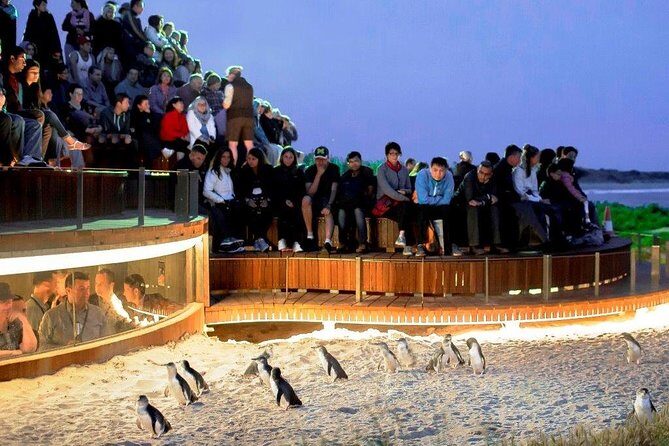
Many animal experiences stop at “look at this.” This one tries to add the “so what.” You’ll learn steps being taken to protect these majestic animals and their wild cousins, and you’ll hear about the conservation work the team supports.
I like this approach because it helps you connect:
- What happens during training/enrichment
- With why zoos and conservation teams do the work they do
That doesn’t automatically make everything perfect, though. It just gives you a clearer, more informed view of the purpose behind the program.
If conservation is high on your priority list—plus you want to hear the care logic from the people doing it—this is one of those experiences that can feel genuinely worthwhile, even if it’s short.
A fair heads-up on the ethical and comfort concerns
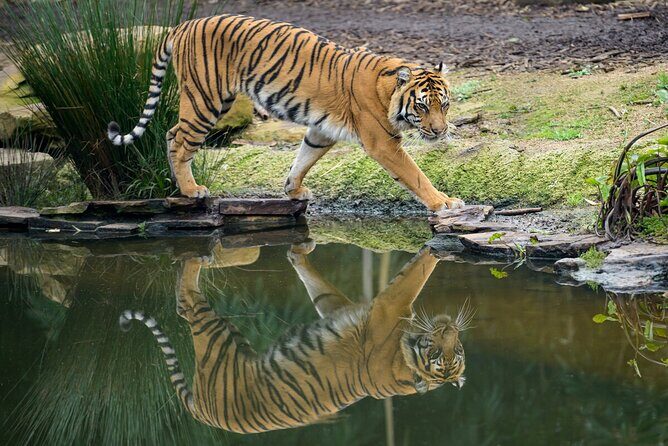
Let’s be honest: a zoo tiger experience can stir up conflicting feelings, and you should know that going in.
Some people feel uncomfortable with the idea of keeping wild animals in enclosures, even when caretakers are clearly dedicated. One criticism you might run into focuses on the tiger appearing distressed, including pacing along a fence line. If that type of behavior would bother you, don’t ignore your instincts. You may prefer general viewing over a ranger-led session that keeps you close during active observation moments.
At the same time, it’s also true that enrichment and training are precisely how caretakers try to support animal needs and encourage natural behaviors. That’s the tension: you might see both dedicated care practices and, at different times, behaviors that read as stress to you.
My practical advice: if you’re the kind of visitor who needs to feel fully at ease, decide before you book. If you’re okay with complexity—learning from caretakers while still critically thinking about animal welfare—you’ll probably get more from the explanations.
Staff friendliness is real: what you’ll likely feel in the moment
One thing that comes through strongly is that the staff tend to be friendly. In a small-group experience, that matters. It usually means the ranger’s explanations don’t feel like a lecture. You’re more likely to ask questions and get clear answers.
That friendly tone pairs well with the structured format. Since the experience lasts about 25 minutes, you want that time to feel smooth and worth it. In a group capped at 8, good rapport can make the difference between a quick pass-through and a genuinely memorable moment.
Who should book this Tiger Experience (and who might skip it)
This fits best if you:
- Want behind-the-scenes access rather than only standard zoo viewing
- Enjoy learning animal behavior and how training/enrichment works
- Like small groups and structured explanations
- Care about conservation messaging tied to critically endangered tigers
You might skip it if you:
- Mainly want a long, flexible Melbourne Zoo day with time to wander
- Are looking for general zoo entry included in the price
- Get strongly unsettled by seeing animals pace or show distress signals in enclosures
Also, if you’re traveling with limited time and want a single “must-do” moment, the 9:15 start and short duration can be a plus—provided you’ve built your day around it.
Should you book the Tiger Experience at Melbourne Zoo?
I’d book it if you’re excited by the idea of meeting the tigers through the care team’s eyes. The biggest value is the ranger-led training/enrichment moment with Hutan or Indrah, plus the chance to learn how critically endangered tigers are protected. The small group size helps you feel seen, not processed.
I’d think twice if the add-on price plus zoo admission already stretches your budget, or if you know you’re very sensitive to animals in captivity and might react to what you see during a short viewing.
If you do book, go with a plan: arrive early to find Elliott Ave check-in calmly, expect a tight 25-minute session, and listen for the “why” behind what you’re watching. Do that, and the experience is more likely to feel like education and access—not just a quick tiger sighting.
FAQ
What is the Tiger Experience at Melbourne Zoo, excluding entry?
It’s a guided small-group experience where you go behind the scenes with a Carnivore Keeper and an experienced ranger to see a tiger training or enrichment session with either Hutan or Indrah.
How long does the experience last?
The duration is approximately 25 minutes.
What time does it start, and where do I meet?
It starts at 9:15 am at Melbourne Zoo, Elliott Ave, Parkville VIC 3052, Australia.
Is general admission included in the price?
No. The price is listed as excluding general admission, so you’ll need zoo entry separately.
How many people are in the group?
The experience has a maximum of 8 travelers.
Do I get a mobile ticket?
Yes. The experience includes a mobile ticket.
What’s the cancellation window for a full refund?
You can cancel up to 24 hours in advance for a full refund (cut-off is based on local time).