REVIEW · 2-DAY EXPERIENCES
From Melbourne: Ultimate 2-Day Great Ocean Road Tour
Book on GetYourGuide →Operated by Around and about · Bookable on GetYourGuide
That first coastal stretch hits like a postcard.
This 2-day Great Ocean Road tour is built for people who want the big views plus the in-between details: beaches, waterfalls, lookouts, and a real night in Apollo Bay. Two things I really like are the early start (more scenery, fewer crowds) and the small-group feel capped at 11 people, which keeps the day from feeling like cattle logistics.
One thing to plan for: you’ll be moving steadily from stop to stop, and if you’re the type who hates tight timing, you might feel a bit rushed on the bus days. Also, you sleep in a dorm (mixed dorm setups can happen), so it’s not the “private room and sleep in” kind of getaway.
In This Review
- Quick Hits Before You Go
- Two Days, Two Coasts: The Great Ocean Road at a Human Pace
- Getting from Melbourne to Torquay: Sunrise Vibes and Surf-spot Reality
- Split Point Lighthouse, Memorial Arch, and Erskine Falls: The Classic Story of This Road
- Lorne Beach Swim and Sheoak Falls: Beach Time That Isn’t Pretend
- Kennett River Wildlife Chances: Koalas and Parrots Need Patience
- Apollo Bay Overnight: Your Base by the Sea (and a Kitchen Option)
- Day 2 on the Green Coast: Temperate Rainforest Walk That Resets Your Brain
- Shipwreck Coast Lookouts: 9 Stops Including the 12 Apostles Area
- How the Tour Feels in Real Life: Guide Walter and the Small-group Advantage
- Price and Value: What $266 Buys on This 2-Day Route
- Who This Tour Suits Best (and Who Should Pass)
- Should You Book? My Bottom Line
- FAQ
- Is pickup included?
- How big is the group?
- What’s included during the tour days?
- What is not included?
- Where do you spend the night?
- Will there be time to swim?
- What should I bring?
- What are the key stops on the Shipwreck Coast?
Quick Hits Before You Go
- Small group (up to 11): easier conversation with the guide and more patience at photo stops
- Day 1 mix of surf, waterfalls, and beaches: Torquay surfing, Erskine Falls steps, then a swim at Lorne
- Koala-and-parrot stop at Kennett River: a classic wildlife break with a good chance to spot local species
- Green Coast rainforest walk on Day 2: temperate rainforest stretches your legs in a different way than lookouts
- Shipwreck Coast lookouts: you get multiple stops that include the 12 Apostles area
- Apollo Bay overnight: a quieter “base by the sea” night, with a kitchen option for simple meals
Two Days, Two Coasts: The Great Ocean Road at a Human Pace
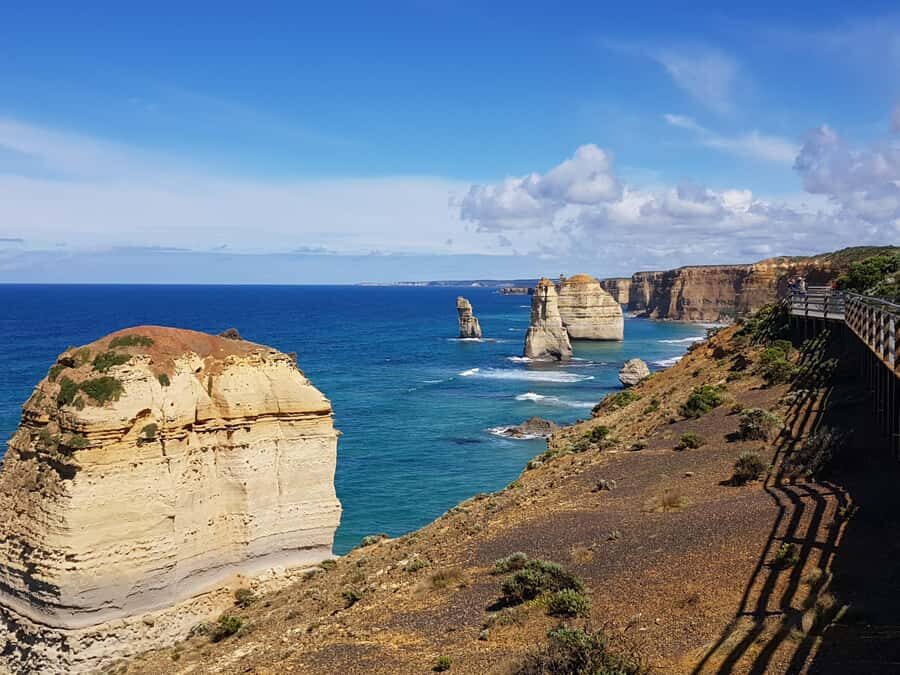
The Great Ocean Road can be done as a day trip. But doing it in two days is where the value shows up. You get time for real viewing at lookouts, a walk in the rainforest, and still enough stops to feel like you covered the coast instead of just driving past it.
The tour starts with pickup from many Melbourne hotels and hostels, then heads out early toward Torquay. That timing matters here. Coastal routes look better when the light is soft and the roads aren’t jammed. I also like that you’re not stuck guessing what’s worth stopping for—you follow a route that hits the “must see” areas and the quieter, more local-feeling breaks.
You’ll travel by small minibus with a live guide in English. One detail I really appreciate: the day includes morning tea both days, plus chilled water and fresh fruit. It’s the kind of support that keeps energy steady so you can enjoy the walking and the photo stops instead of hunting for snacks constantly.
You can also read our reviews of more tours and experiences in Melbourne
Getting from Melbourne to Torquay: Sunrise Vibes and Surf-spot Reality
Day 1 begins with that early departure from Melbourne. After pickup, you head straight toward Torquay, and the day doesn’t wait around to get interesting. There’s morning tea, then the tour shifts quickly to the coast’s surfing culture.
Torquay is one of those places where the coastline isn’t just scenery—it’s a lifestyle. You’ll see locals out catching waves at one of the surfing spots along the way. If you’re hoping for the “Australia hits different” moment, this is a good place to start. Even if you’re not a surfer, watching the rhythm of the surf gives the trip personality.
Before you roll deeper into the route, you’ll stop at a Chocolaterie & Ice Creamery to stock up on chocolates for the road. It’s a small thing, but it’s smart. The Great Ocean Road days include plenty of viewpoints and short walks. Having snacks on hand keeps you comfortable between stops, especially since food and drinks aren’t included beyond what’s specified.
Split Point Lighthouse, Memorial Arch, and Erskine Falls: The Classic Story of This Road
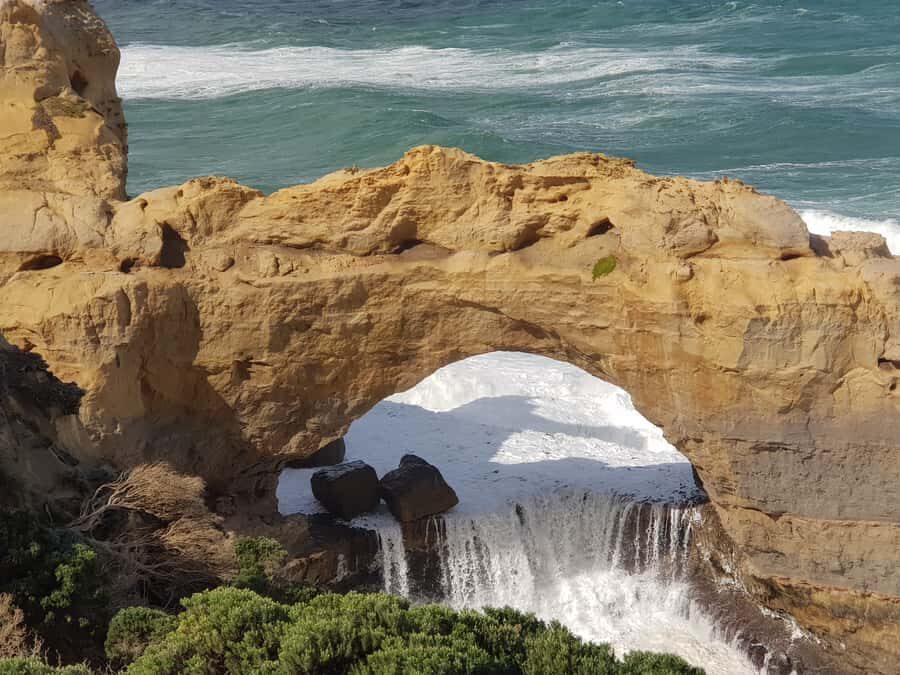
After Torquay, you continue through smaller coastal villages toward Split Point Lighthouse. The lighthouse stop works well as a palate cleanser: it’s a scenic reset before you move into history and waterfalls.
Next comes the Memorial Arch, a pause that adds context to the road. Then you head to Erskine Falls, where the route includes steps down to the base. This is one of those moments where the schedule benefits you. The waterfall experience is best when you’re not rushing through it from the bus window. You get actual time to stand close, look up, and take photos without feeling like you’re sprinting.
A practical heads-up: you’ll be walking on real terrain. Bring comfortable shoes, and if it’s been wet, expect slick steps. The tour does include rain gear as a suggested item, so they’re clearly thinking about the weather reality of coastal Victoria.
Lorne Beach Swim and Sheoak Falls: Beach Time That Isn’t Pretend
From Erskine Falls, you head for lunch and then spend time around Lorne. Lorne is a good stop because it changes the pace. You get both views and a town feel, with a stroll through the area that breaks up the day.
The itinerary includes a swim off Lorne Beach. Just don’t build your expectations like it’s a tropical holiday. The water can be slightly cold, so pack accordingly. If you want the photo proof of a quick ocean dip, this is the moment. If you don’t, you can still enjoy the beach walk and viewpoint time without feeling like you missed the point.
After Lorne, you go to Sheoak Falls for another short break and more photo-friendly scenery. The falls section is where the route shows you the “green” side of the coast, not just cliff-and-ocean views.
Then there’s time to soak up the Great Ocean Road views as you wind along, plus wildlife-style stops. You’re not just driving from viewpoint to viewpoint—you’re getting small moments of nature in between.
Kennett River Wildlife Chances: Koalas and Parrots Need Patience
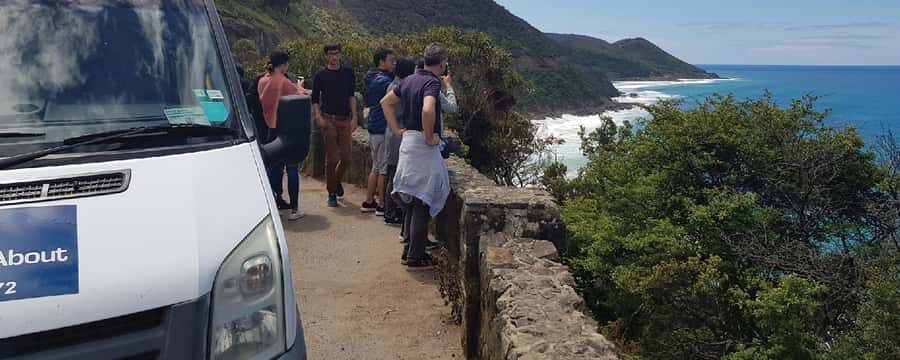
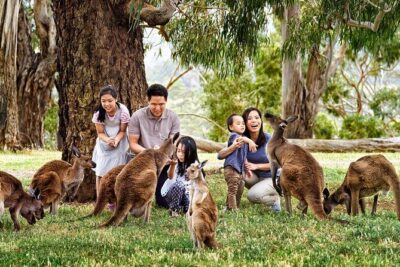
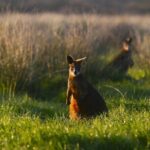
One of the tour highlights is Kennett River, where you’ll look for koalas and parrots. Wildlife spots are never guaranteed, but this is exactly the kind of stop where your odds improve because you’re there at the right time and you’re guided on where to look.
If you’ve ever tried to spot koalas without local guidance, you know how easy it is to miss them. A planned stop like Kennett River gives you more than a passing glance—it gives you a chance to slow down and scan.
Also: bring quiet focus. Wildlife viewing tends to reward patience more than speed, and the small-group size makes it easier to not crowd each other.
Apollo Bay Overnight: Your Base by the Sea (and a Kitchen Option)
By late day, you reach Apollo Bay, the place where you spend the night. The view from Mariner’s Lookout over Apollo Bay is part of the lead-in, so you arrive with a “wow, this is home base” moment.
The tour includes a dorm bed at the hostel. You can also visit a restaurant, or you can cook in the hostel’s large kitchen. That’s a big value factor if you want to keep costs down. After a long road day, a simple meal you can control feels better than relying on whatever’s most convenient.
One consideration: dorm setups can vary, and some travelers prefer more privacy or same-gender sleeping arrangements. If that matters to you, it’s worth asking ahead of time what the dorm configuration tends to look like.
Day 2 on the Green Coast: Temperate Rainforest Walk That Resets Your Brain
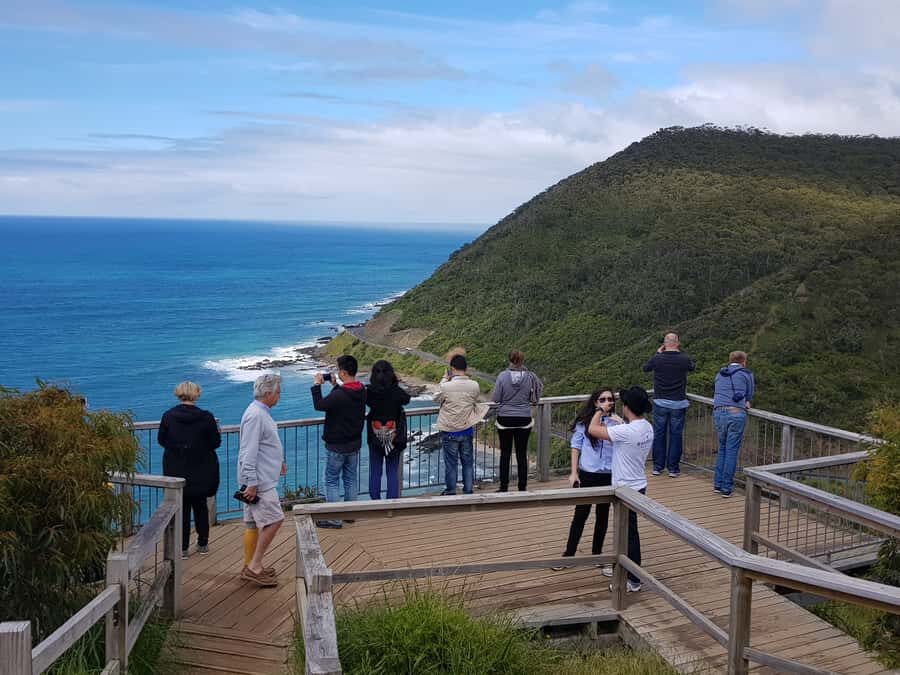
Day 2 starts early. The big difference on this day is the Green Coast section, where you walk through temperate rainforest. This is the kind of stop that makes the whole trip feel balanced. After coastal cliffs and waterfall time, the rainforest gives you a softer, shadier pace.
You’ll keep moving along the Green Coast with lookouts along the way, then continue toward Lavers Hill, the highest point along the road. Morning tea here helps reset you before the last major viewpoint stretch.
If you like nature that isn’t only about ocean width, this is where you’ll feel it. Rainforest air, the texture of the trees, and the way the road cuts through the greenery all make this segment feel distinct from Day 1.
Shipwreck Coast Lookouts: 9 Stops Including the 12 Apostles Area
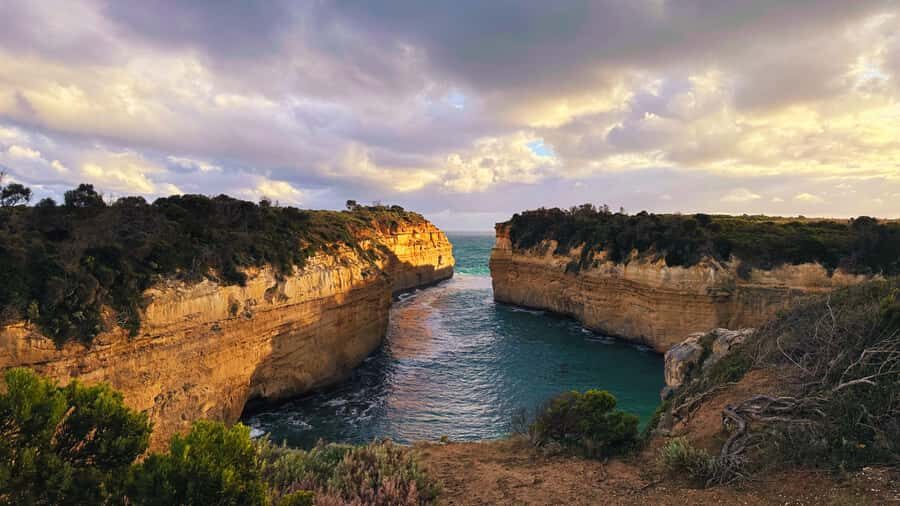
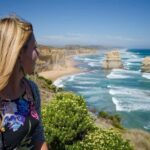
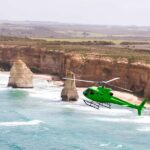
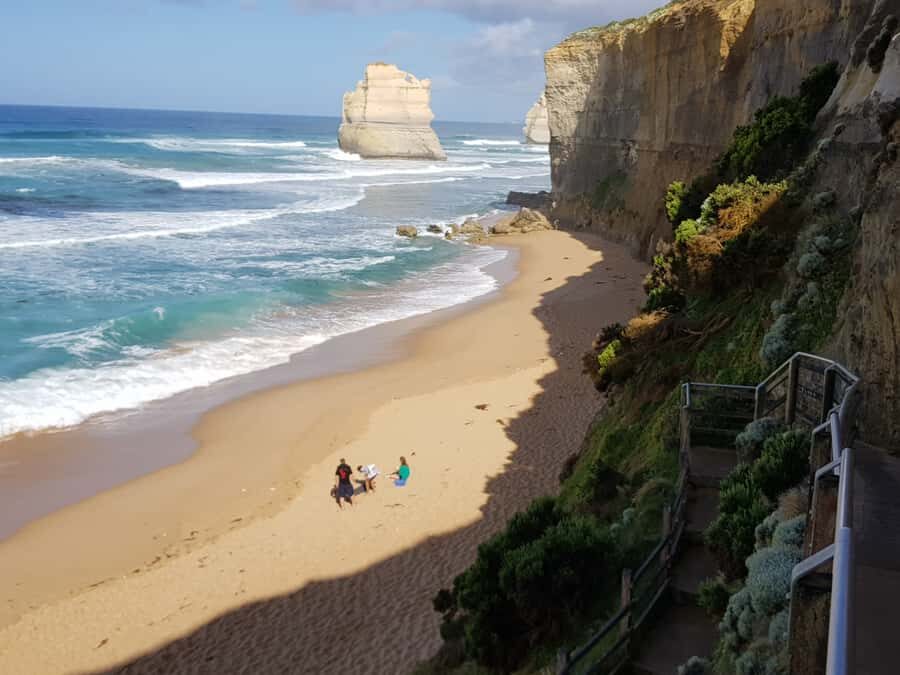
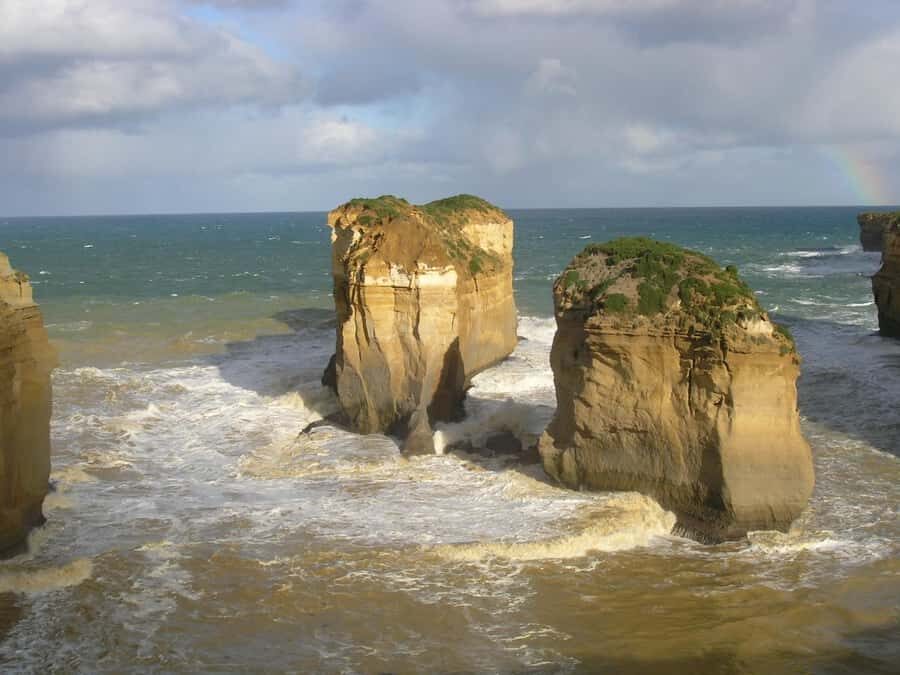
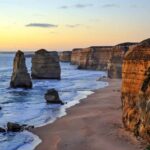
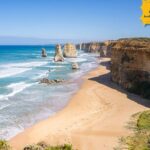
After Lavers Hill, it’s time for the Shipwreck Coast stretch. The tour specifically sets you up to view all 9 lookouts along this section, including the 12 Apostles, Loch Ard Gorge, and London Bridge.
This is where “two days” really pays off. If you try to do this area in a single day, it can turn into a blur of quick photos. Here, the structure supports actually looking—at the angles, the cliffs, and the water below.
A tip for this portion: wear layers and protect your eyes. Wind and glare can sneak up on you at headland viewpoints. Also, bring your rain gear if the forecast is iffy. Coastal weather changes fast, and you don’t want to cut your viewing short because you’re uncomfortable.
How the Tour Feels in Real Life: Guide Walter and the Small-group Advantage
A key strength of this tour is the live guide, and the name Walter shows up in multiple experiences as a standout. People talk about his ability to explain what you’re seeing and keep the group engaged while moving through the route.
I like that this kind of guiding does more than recite facts. It helps you read the scenery. When someone points out what to look for at a lookout—or why a particular stop matters—you notice more, and you take better photos because you know what the place is actually showing you.
The small group size (limited to 11 participants) makes a difference in practical moments too: quicker board times, easier conversation, and less pressure when people want extra minutes at a waterfall or viewpoint.
That said, the pace can still feel busy. One reason is simple: Day 1 includes many “big stop” moments in sequence, and you’re on a schedule for the whole route. If you prefer slow travel, this may feel like a lot. But if you’re comfortable with a packed itinerary, this is a smart way to see major sections without losing daylight.
Price and Value: What $266 Buys on This 2-Day Route
At $266 per person for two days, the price feels reasonable once you factor in what’s included. You’re getting:
- hotel-night value in the form of a dorm bed
- morning tea on both days
- park entry
- chilled water and fresh fruit
- guided transport with pickup in Melbourne and a full route through both coastal sections
What you’re not paying for (and should budget for) is dinner/lunch beyond what’s specified, plus any food you buy during the day. Since food and drinks aren’t included unless stated, you’ll want to plan simple meals and snacks. The Chocolaterie stop is one hint, but it’s not a full food solution.
If you compare this to self-driving plus paying for your own entry fees, fuel, and time spent planning stops, the guided structure starts to make sense. You’re also buying convenience: early departure organization, route pacing, and someone handling the order of viewpoints so you don’t waste daylight.
Who This Tour Suits Best (and Who Should Pass)
This tour fits best if you want the Great Ocean Road done properly in two days without needing to research every viewpoint. It’s ideal for:
- first-timers who want the big icons and the in-between stops
- travelers who like wildlife chances and don’t mind brief walks
- people comfortable sleeping in a hostel dorm
- anyone who values a guide to interpret the route (Walter-style explanations help)
It might be less ideal if you want a super relaxed “wander whenever” schedule. The itinerary is structured, and there are times where you’ll be moving even if you’d rather linger. Also, if dorm sleeping arrangements are a deal-breaker for you, you’ll want to check on dorm type before booking.
Should You Book? My Bottom Line
Book it if you want two full days that hit the surfing culture start, waterfall moments, rainforest walking, and the Shipwreck Coast lookouts in one coherent run from Melbourne. The guide-led structure and the included snacks/water make it easier to keep your energy up across long viewing days.
Skip it (or ask more questions first) if you need lots of privacy overnight or you’re sensitive to pace. You’ll see a lot, and that’s the point—but it’s still a packed itinerary.
If you show up with good shoes, a warm layer, and realistic expectations about the cold-water swim, you’ll get the Great Ocean Road experience that actually feels complete.
FAQ
Is pickup included?
Yes. Pickup is included from most Melbourne hotels or hostels, or a nearby pickup point. You should wait outside 5 minutes before pickup time and look for a small white minibus with the local partner logo.
How big is the group?
The group is limited to 11 participants.
What’s included during the tour days?
You’ll get morning tea on both days, chilled water (bring a reusable bottle), fresh fruit on both days, park entry, and a dorm bed at the hostel.
What is not included?
Drop-off at your hotel or hostel and food and drinks are not included unless specified. Accommodation upgrades are also not included.
Where do you spend the night?
You spend the night in Apollo Bay, staying in a hostel dorm.
Will there be time to swim?
There’s time for a quick swim at Lorne Beach, and the water may be slightly cold.
What should I bring?
Bring comfortable shoes, warm clothing, sunglasses, a sun hat, swimwear and a towel, sunscreen, rain gear, and a reusable water bottle.
What are the key stops on the Shipwreck Coast?
The tour includes viewings of all 9 lookouts along the Shipwreck Coast section, including the 12 Apostles, Loch Ard Gorge, and London Bridge.