REVIEW · HISTORICAL TOURS
Melbourne Historical Walking Tour: Crime, Gangsters & Lolly Shops
Book on Viator →Operated by Melbourne Historical Crime Tours · Bookable on Viator
Little Lon still leaves fingerprints. This 2-hour walk through Melbourne CBD connects the 1870s to 1930s crime world to buildings you can actually see today, plus myths like Squizzy Taylor and the way lolly shops were used as fronts. I really liked how the stories are grounded in original police-file sourced material, and I liked getting a tour booklet with photos you can keep. The main drawback to plan for: it is a steady walk, so bring comfortable shoes and expect to move.
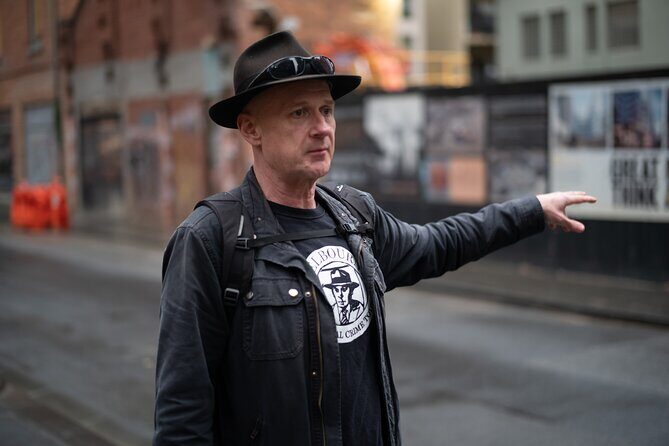
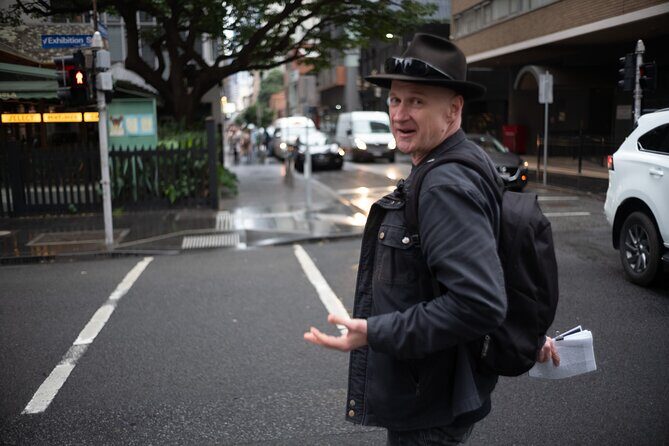
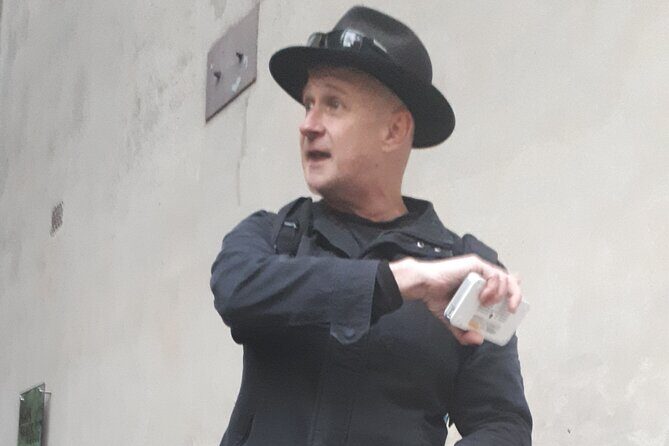
I also found the tone works well for first-timers because the guide, Michael Shelford, keeps the pace moving and makes the characters feel specific, not vague. With a small group (max 20) and a mobile ticket, it is an easy yes for a half-day activity.
In This Review
- Key things that make this walking tour worth your time
- Why a gangster walk on Lonsdale Street feels strangely real
- Price and what you actually get for $35.86
- Meet at Exhibition St, then end near Madame Brussels Lane
- What the 1870s to 1930s theme means for your experience
- Stop 1 at Little Lon Distilling Co: gin today, ill-repute stories yesterday
- Gangsters, brothels, and speakeasies: what you’re really noticing on the walk
- Lolly shops as crime fronts: the sweet-shop twist that makes it memorable
- Squizzy Taylor and the power of a well-told legend
- Pacing, timing, and what to bring for a smooth two hours
- Who this tour suits best (and who should skip it)
- My verdict: should you book this Melbourne Historical Crime Tours walk?
- FAQ
- How long is the Melbourne Historical Walking Tour?
- What does the tour cost?
- Where does the tour start and end?
- What is included in the price?
- Are food and drinks included?
- How big is the group?
- Is there a spot for kids and service animals?
Key things that make this walking tour worth your time
- A 2-hour Melbourne CBD route focused on crime eras from the 1870s to the 1930s
- Gangster legends like Squizzy Taylor tied to real places along Lonsdale Street
- Little Lon Distilling Co as a standout stop with stories pulled from original police files
- A take-home tour booklet with photos of the people and places mentioned
- Small group size (up to 20) for a more conversational feel
Why a gangster walk on Lonsdale Street feels strangely real
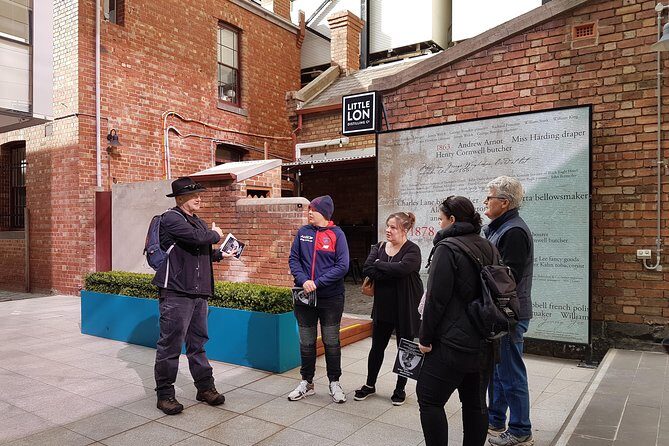
Melbourne looks polished now, but this walk keeps showing you the older layer underneath. You are moving through the CBD while the guide maps how the underworld operated across decades, from early gang mobs to later organized crime.
What makes it work is the balance between myth and evidence. Legends about notorious figures get explained, but you also hear how real buildings played roles in the business of crime—brothels, speakeasies, and the low-key fronts like sweet shops.
You can also read our reviews of more walking tours in Melbourne


Price and what you actually get for $35.86
At $35.86 per person for about two hours, this is priced like a specialty walking tour, not a big bus-style attraction. The value comes from three practical things: the time on foot, the real-site storytelling, and the booklet you can take home.
The tour includes a tour booklet with photos, which matters more than you might think. After the walk, you can remember names like Squizzy Taylor and connect them to street locations rather than just having a few spooky stories floating around your head.
If you’re a budget traveler, plan your spending like this: pay for the guided route and skip spending on extras during the walk, since food and drinks are not provided.
Meet at Exhibition St, then end near Madame Brussels Lane
You start at 282 Exhibition St, Melbourne and finish at 36 Lonsdale St, on the corner of Lonsdale Street and Madame Brussels Lane. That end point is convenient if you want to keep exploring nearby on your own, especially since you are finishing in a busy CBD pocket.
Because it is a walking tour in the city center, you’ll feel the practical advantage of it being near public transportation. You do not need a car to make it happen, and the meeting place is straightforward to find in the CBD.
A mobile ticket is part of the deal, which keeps things simple on the day. You also get confirmation at booking time, so you are not scrambling to figure out what’s happening.
What the 1870s to 1930s theme means for your experience
The tour covers a long stretch of time: the 1870s through the 1930s. You’ll hear how crime patterns changed as Melbourne grew, how different groups operated, and how certain locations stayed useful because they were close to traffic, lodging, and commerce.
This matters for two reasons. First, it stops the story from feeling like a one-note “history of bad guys.” Second, you start to notice how crime adapts to everyday business—especially the way street-level operations can hide bigger schemes.
You’ll also pick up local color that helps you understand why an area like Little Lon became so notorious, and why certain gangster reputations survived long enough to turn into legends.
Stop 1 at Little Lon Distilling Co: gin today, ill-repute stories yesterday
One stop gets extra attention: Little Lon Distilling Co. The reason is simple—you are visiting a real surviving single-story cottage in the CBD that now operates as a gin distillery.
This is also where the past gets uncomfortable in the best way for a crime-history tour. You will hear stories about former inhabitants, and the guide ties those stories to original police files. That use of primary material is a big part of what makes the experience feel credible instead of purely theatrical.
The stop includes an admission ticket free element as part of the tour, so you’re not hit with a surprise entry fee once you get there. Practically, it gives you a chance to slow down and connect names to a specific building rather than just hearing about the area in general.
Small note to manage expectations: one of the recurring themes in how people talk about the tour is that the pacing is tight and well organized. If you want lots of time to stand around inside every historic space, you might wish for longer moments at certain spots, but the trade-off is you still get the full narrative arc in a compact two-hour window.
You can also read our reviews of more historical tours in Melbourne

Gangsters, brothels, and speakeasies: what you’re really noticing on the walk
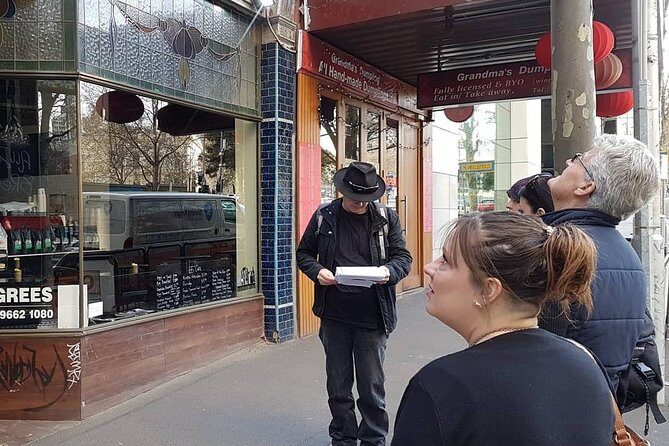
Across the route—especially along Lonsdale Street—you’ll be shown buildings that once functioned as brothels and hubs for crime. You’re not just looking at old architecture for decoration. You’re learning what specific types of places were used to move people, money, and information.
The speakeasy angle is especially useful for understanding the era’s contradictions. Even when laws and public rules tightened, the demand for illicit drink and secret meetings didn’t vanish. It shifted into places that could blend in—near the commerce that people already trusted.
This is where the guide’s storytelling approach pays off. Instead of listing facts like a spreadsheet, the guide explains why the places worked: location, foot traffic, and how everyday errands and nightlife could overlap.
Lolly shops as crime fronts: the sweet-shop twist that makes it memorable
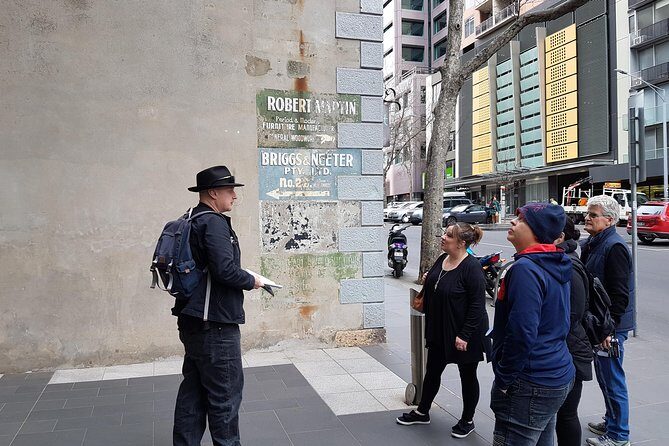
The tour’s most original concept is the way it connects candy stores—lolly shops—to criminal operations. It sounds odd until you understand the strategy: a shop that looks harmless invites casual foot traffic and reduces suspicion.
During the walk, you’ll hear how the myth and reality of Little Lon connect to this idea. People used these businesses as fronts, and the guide brings in the logic of how it would operate in practice—small transactions in plain sight, with bigger activities hidden in the background.
It is a clever thread because it gives you something concrete to watch for as you move down the street. Even when buildings have changed use, you can start imagining how a business model could be repurposed as a cover.
Squizzy Taylor and the power of a well-told legend
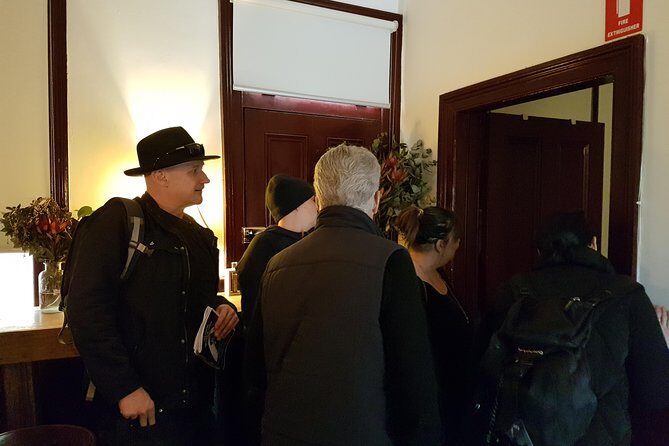
Squizzy Taylor is one of the headline names, and the tour builds around myths and legends connected to him. What I like about this approach is that legends are treated like part of the local record, not just campfire gossip.
The guide frames these stories so you can understand why they caught on. Reputation mattered in the underworld, and it also mattered to the public. Once a figure became symbolic, stories could grow and change over time—and the tour helps you see that process while still keeping the facts anchored.
You’ll also hear about the wider cast around these characters, including mention of Dolly Taylor in connection with the era. That extra context helps you avoid the trap of thinking the underworld was just one famous person.
Pacing, timing, and what to bring for a smooth two hours
The walk is about two hours. People praise how prompt the tour is and how it runs smoothly and on time, and you should plan for that kind of structure.
So, what should you bring?
- Comfortable walking shoes for CBD sidewalks
- A water bottle, since food and drinks are not included
- A curiosity mindset—you’ll get more out of it if you’re willing to look at buildings and ask what they used to be
Also consider your attention style. This is storytelling built around names, dates, and places. If you’re the type who likes details, it will feel rewarding. If you prefer pure sightseeing with no heavy crime topic, you might find the themes a bit darker than you expected.
Who this tour suits best (and who should skip it)
You’ll get the most from this tour if you like:
- Melbourne local history that connects streets to real people
- Crime stories that feel grounded in evidence
- Walking tours with a clear narrative arc and a take-home booklet
It is also a fun option if you’re a local resident. One of the best parts of reviews is the surprise factor—how many people discover that older histories exist right next to modern streets and businesses.
You might skip it if you:
- Want a light, feel-good stroll with no brothel/crime themes
- Need frequent long stops to sit and linger in each location
- Are traveling with very young kids and want a shorter or calmer activity (children must be accompanied by an adult, but the pacing still feels like a standard two-hour walk)
My verdict: should you book this Melbourne Historical Crime Tours walk?
Yes—if you like history you can see and hear. This tour earns its reputation through two things: it ties gangster legends to specific buildings in the CBD, and it gives you documentation-flavored storytelling grounded in police files. The booklet with photos is a nice extra that helps you remember what you learned after the walk ends.
If you’re on the fence, use this quick test: if the idea of Lonsdale Street being connected to brothels, speakeasies, and even lolly shops used as fronts makes you curious, you’ll likely enjoy it a lot. If those themes make you uncomfortable, you might choose a different walking tour that stays more upbeat.
FAQ
How long is the Melbourne Historical Walking Tour?
The tour lasts about 2 hours.
What does the tour cost?
It costs $35.86 per person.
Where does the tour start and end?
It starts at 282 Exhibition St, Melbourne and finishes at the corner of Lonsdale Street and Madame Brussels Lane (36 Lonsdale St).
What is included in the price?
You get a tour booklet featuring photos of the characters discussed along the way.
Are food and drinks included?
No. You should bring your own food and drinks.
How big is the group?
The tour has a maximum of 20 travelers.
Is there a spot for kids and service animals?
Children must be accompanied by an adult, and service animals are allowed.