REVIEW · HISTORICAL TOURS
Ultimate Melbourne Walking Tour: History, Laneways & Culture
Book on GetYourGuide →Operated by Depot Adventures · Bookable on GetYourGuide
Three hours, and Melbourne feels closer. This is a small-group Melbourne walk built around Gold Rush reinvention, famous laneway street art, and the kind of local storytelling you’re more likely to hear from guides like Hugo or Emily than a brochure.
I especially love the combo of coffee culture plus history: you stop for a proper hot drink, then you understand why Melbourne takes it this seriously. I also like the historic pub drink at the end, because the guide ties it to social history and community life, not just a quick toast.
One thing to consider: you’ll be on foot for the full route, including stairs and uneven surfaces in laneways and arcades, and bad weather is still part of the plan. If you have serious mobility limits, you may want to check with the operator before booking.
In This Review
- Key things I’d circle before you book
- Setting Off from Gordon Reserve: how the tour actually moves
- Parliament, Old Treasury, and Collins Street: Melbourne’s Gold Rush power story
- Photo stops and street art lanes: Hosier Lane and why the walls keep changing
- Federation Square, the MCG area, and Flinders Street Station: icons with context
- Degraves Street coffee: a stop that teaches you how locals start the day
- Block Arcade and Royal Arcade: Victorian shopping spaces with stories
- Melbourne Skydeck and a CBD sweep: seeing height without making it a whole day
- Chinatown, State Library, and the Yarra River: more layers than you expect
- Old Melbourne Gaol and the Captain Melville finish: history you can feel
- Price and value: what $91 buys you in real terms
- What to know before you go (so the tour feels good)
- Who should book this walking tour?
- Should you book the Ultimate Melbourne Walking Tour?
- FAQ
- How long is the Ultimate Melbourne Walking Tour?
- How much does the tour cost?
- What’s included in the tour?
- How big is the group?
- Where do I meet the guide?
- What areas and stops are covered?
- Is the tour suitable in bad weather?
- Is the tour wheelchair accessible?
Key things I’d circle before you book
- Small group size (max 12) keeps the pace human and makes it easier to ask questions.
- Gold Rush to today: Victorian buildings, changing fortunes, and how Melbourne became rich fast.
- Hosier Lane street art gives you context for artists and why the walls keep changing.
- Coffee on Degraves Street is a real stop, paired with explanation of local café culture.
- Historic pub finish (Captain Melville) turns a drink into a quick crash course on community history.
- A route that mixes icons with in-between streets so you leave with a map and a shortlist of where to go next.
Setting Off from Gordon Reserve: how the tour actually moves

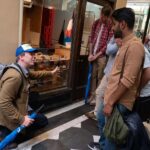
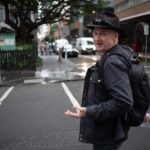
The walk kicks off at Gordon Reserve, right across from the Windsor Hotel. Look for your guide holding a blue umbrella beside the fountain. The tour starts in the CBD zone around Spring Street, then steadily fans outward and back inward as you hit major landmarks and the laneway network.
Because the group caps at 12 people, the tour doesn’t feel like a cattle drive. You’ll still cover ground, but you’re not wrestling for space to hear the next story. That matters in Melbourne, where lanes, arcades, and busy corners can swallow sound if you’re in a big pack.
Plan on an easy-to-moderate walking day. The total time is about 3 hours, and the route is designed to include several short guided stops rather than one long lecture. On top of that, the itinerary builds in breaks: coffee about mid-walk and a longer pub stop at the end.
Weather is the only wild card. The tour operates in all weather conditions, so you’ll want to dress for it. Comfortable shoes are non-negotiable, since the experience includes stairs and uneven sections in laneways and arcades.
You can also read our reviews of more walking tours in Melbourne
Parliament, Old Treasury, and Collins Street: Melbourne’s Gold Rush power story
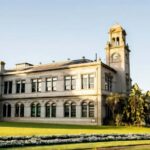
Your first stretch takes you through the “big face” of the city: government buildings and the financial heart that grew during Melbourne’s explosive transformation. The tour includes a guided look at the Parliament of Victoria and a short stop at the Old Treasury Building, plus commentary around Collins Street.
Here’s why this part matters. When you see these structures in person, the Gold Rush story becomes more than dates in a text box. You get the visual logic of a city that went from frontier settlement to wealth machine quickly—fast enough that ambition showed up in stone and symmetry.
You’ll also hear how Melbourne’s identity formed in layers. One moment you’re looking at authority and civic order; the next, the guide sets up how quickly the city evolved toward commerce, culture, and creative reinvention. It’s a useful foundation before you start chasing laneways and street art later.
A small drawback: early on, you’re walking through busy streets while the guide explains key ideas. If you’re sensitive to crowds or you want quiet photo time right away, you’ll have to accept that the pacing is designed for flow, not lingering.
Photo stops and street art lanes: Hosier Lane and why the walls keep changing
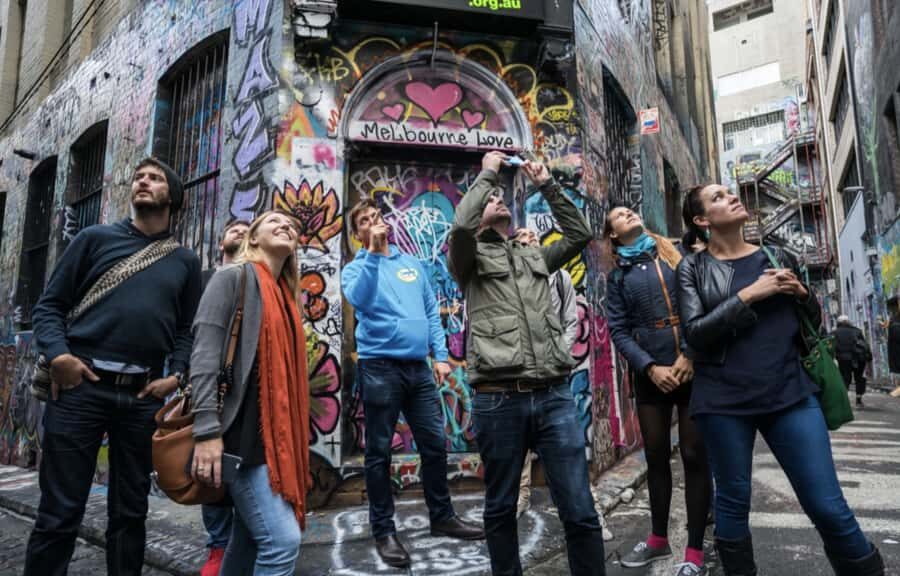
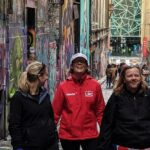
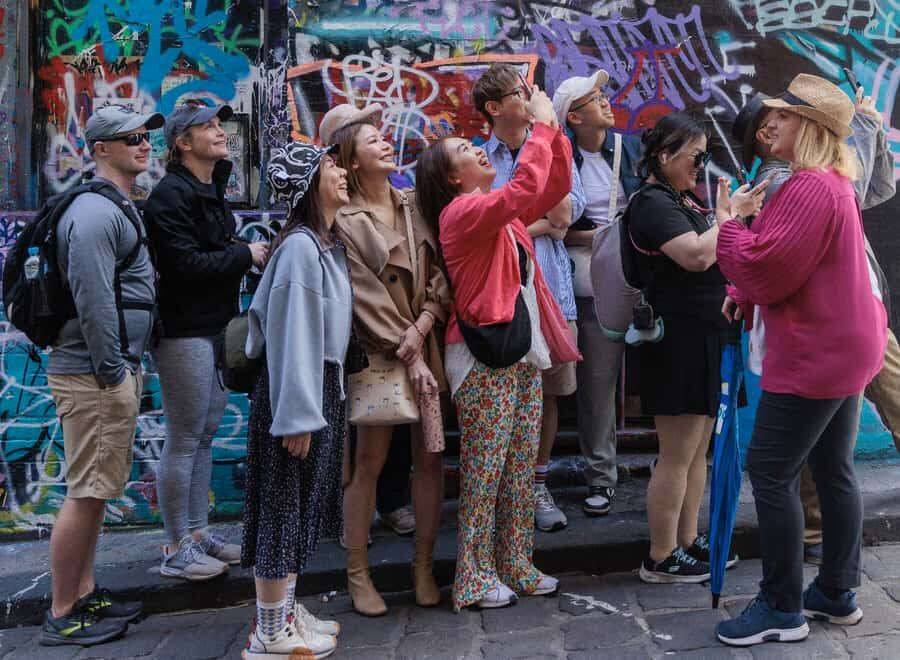
Once you’re warmed up, the tour turns toward the part of Melbourne people talk about for a reason: the laneways. The itinerary includes a guided stop at Hosier Lane, one of the city’s best-known street art corridors.
What I like about this stop isn’t just seeing artwork. It’s the explanation you get alongside it—how artists fit into broader cultural movements, and why the artwork you see today might not be there next month. The guide approach matters here: you’re learning to read the lane like an evolving public gallery, not just snapping photos of paint.
Expect a quick burst of walking and standing in a tighter space. It’s short—your guided time here is brief—but it’s the kind of stop that changes how you see the rest of the city. After Hosier Lane, you’ll start spotting style, signatures, and themes in other small streets even when you’re not formally “in a tour stop.”
If rain hits, street art lanes can still be fun, but your footing matters. Bring an umbrella if rain is forecast, and keep one eye on where you’re stepping.
Federation Square, the MCG area, and Flinders Street Station: icons with context
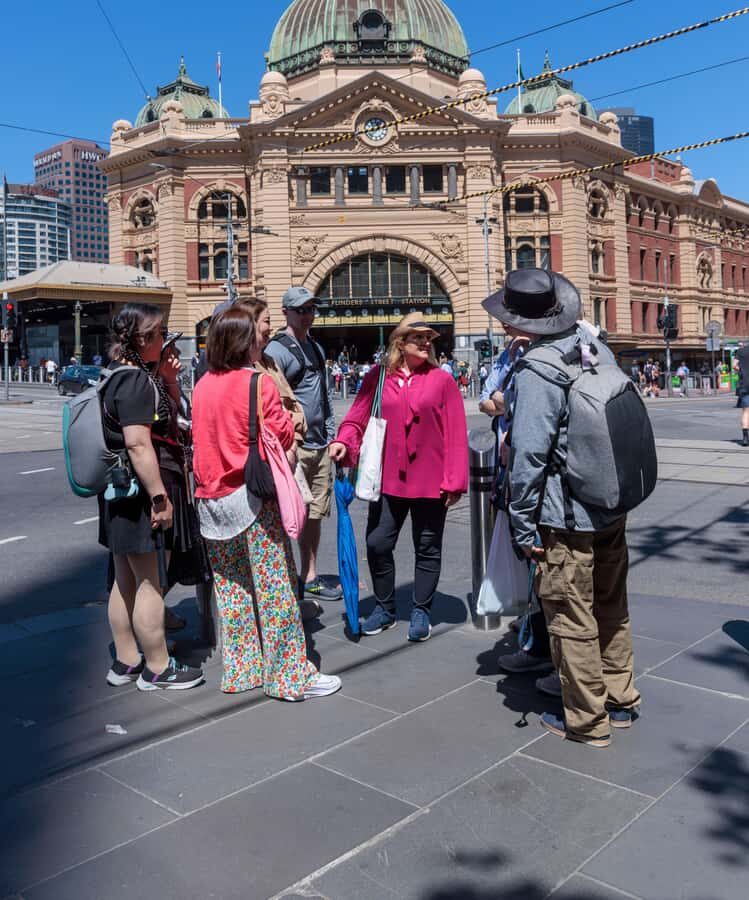
The route continues past major CBD landmarks. You’ll get guided time at Federation Square (including about 10 minutes), a quick guided look near Melbourne Cricket Ground (MCG), and then a guided pass at Flinders Street Station.
These stops aren’t treated like checkboxes. The value is the connective tissue—how the city’s public life (sport, transit, civic gathering) shaped the sense of place. If you’re only in Melbourne for a short time, this is how you avoid “I saw it, but I don’t get it.”
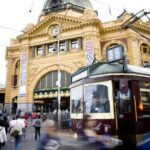
Flinders Street Station is especially important to understand. It’s both practical and symbolic: a gateway, a meeting point, and a piece of architecture that people use daily without always thinking about why it feels so central.
One practical consideration: these are public areas, so you’ll likely pass through crowds. The tour group size helps, but you’ll still want to keep your camera and phone secure—laneway edges and transit bottlenecks are where clumsiness happens.
Degraves Street coffee: a stop that teaches you how locals start the day

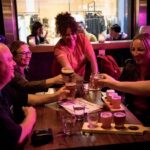
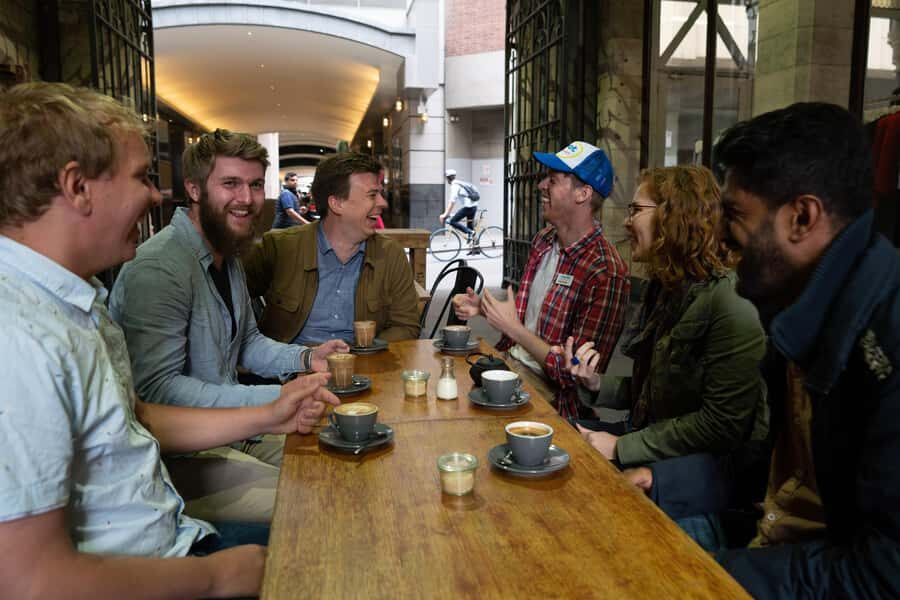
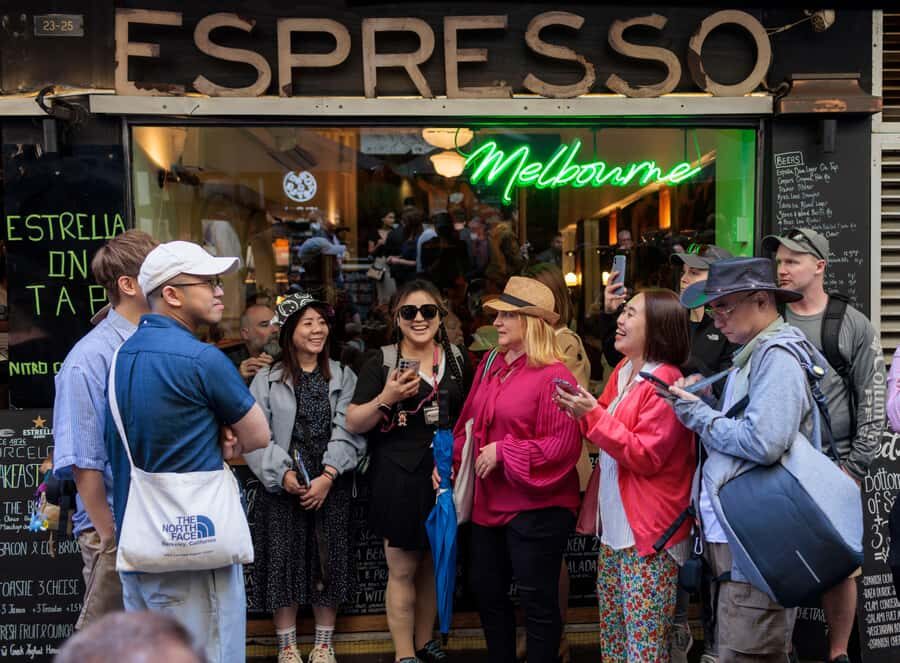
Mid-walk is Degraves Street, where the tour schedules a coffee break (about 20 minutes) at a local favorite. You choose a hot drink such as a flat white, long black, or hot chocolate.
This is one of my favorite parts of the experience because it’s not “coffee for coffee’s sake.” The guide connects the stop to why Melbourne takes café culture so seriously—how coffee became part of everyday identity, and why the city’s café scene became an attraction all by itself.
Also, this is where the tour becomes easy to join socially. With a small group, you can chat with your guide and other people while you sip, and the pacing stays friendly instead of rushed.
A word of caution: coffee shops can be tight. It’s worth planning to order quickly and settle where you can, because the tour moves on after the break.
You can also read our reviews of more historical tours in Melbourne

Block Arcade and Royal Arcade: Victorian shopping spaces with stories
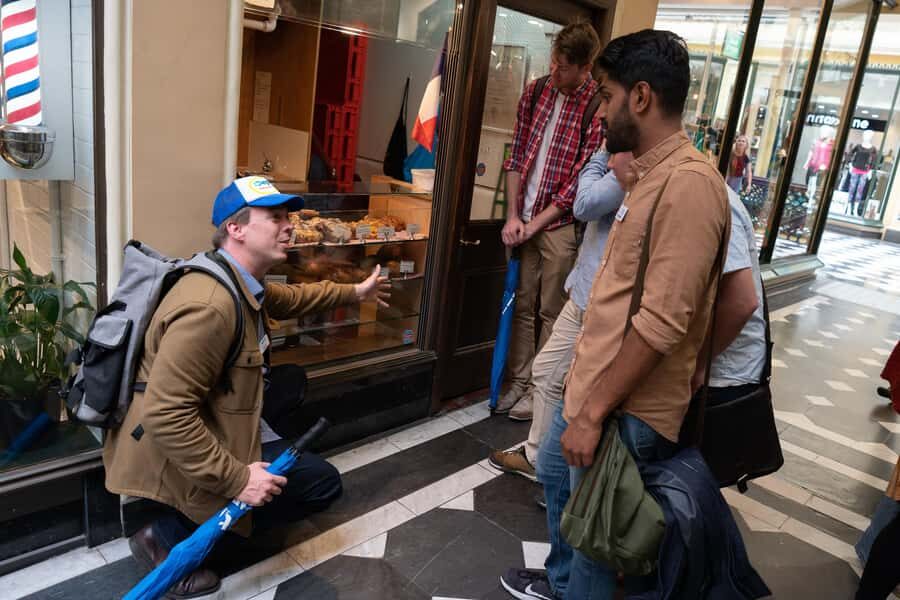
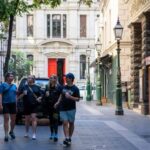
After coffee, the tour brings you into the arcades: guided stops at Block Arcade and Royal Arcade. These are classic Melbourne structures—covered walkways and grand interior spaces that were built for comfort and spectacle.
The appeal here is simple: arcades show you how Melbourne learned to design “in-between” space. You’re not just seeing shopping; you’re seeing Victorian ideas about movement, protection from weather, and public space as a kind of indoor street.
They’re also a nice contrast to open streets. If Melbourne has a personality, this part gives you a quieter chapter—less street-level noise, more architectural detail.
Still, this is where mobility can get tricky. Arcades include stairs and uneven surfaces, so if your legs tire easily, take care. You might want to bring a small blister kit too, since laneways and arcade floors can add up over 3 hours.
Melbourne Skydeck and a CBD sweep: seeing height without making it a whole day
The itinerary includes a guided sightseeing stop at Melbourne Skydeck (about 5 minutes). It’s not a long viewpoint session, but it gives you a sense of how the CBD is stitched together—how the lanes and arcades connect back to the skyline.
This quick “top-down” moment helps the rest of your walking experience click. When you understand the layout, you’re more likely to know where you are when you step out on your own afterward.
If you don’t like being inside for short periods, this might feel like a brief pause rather than a full attraction. But as a tool to orient yourself, it’s practical.
Chinatown, State Library, and the Yarra River: more layers than you expect
The tour keeps widening your view of Melbourne. You’ll pass through Chinatown (about 5 minutes), visit State Library of Victoria (about 5 minutes), and get a guided sightseeing moment at the Yarra River.
This part of the route matters because it shows Melbourne isn’t only Gold Rush buildings and café culture. It’s also a city built by waves of communities and everyday routines—library culture, markets, river life, and the neighborhoods that add new rhythms over time.
Chinatown isn’t treated as a quick photo stop. You get just enough guidance to make the area feel like part of the city’s story instead of a tourist add-on.
The State Library stop gives you a pause too. It’s a place where history and knowledge show up in physical form, and the guide’s context helps you see it as part of civic life.
And the river? It’s one of those anchors that makes the city feel like more than architecture. Even a short sightseeing moment can help you “reset” your eyes after laneways and arcades.
Old Melbourne Gaol and the Captain Melville finish: history you can feel
Near the end, you’ll get a guided stop at Old Melbourne Gaol (about 3 minutes). Even though the time is short, the tour doesn’t ignore the darker side of the city’s evolution. It gives you contrast—how society organized itself, controlled crime, and how Melbourne dealt with the human side of rapid growth.
Then you finish at a local pub: Captain Melville. The itinerary includes about 20 minutes for the final guided stop at a local bar.
Here’s the key value of the pub finale: you’re not just getting a drink. You get social history and community spirit tied to the place. The tour includes a complimentary alcoholic beverage (house beer, wine, or cider) or a soft drink if you prefer not to drink alcohol.
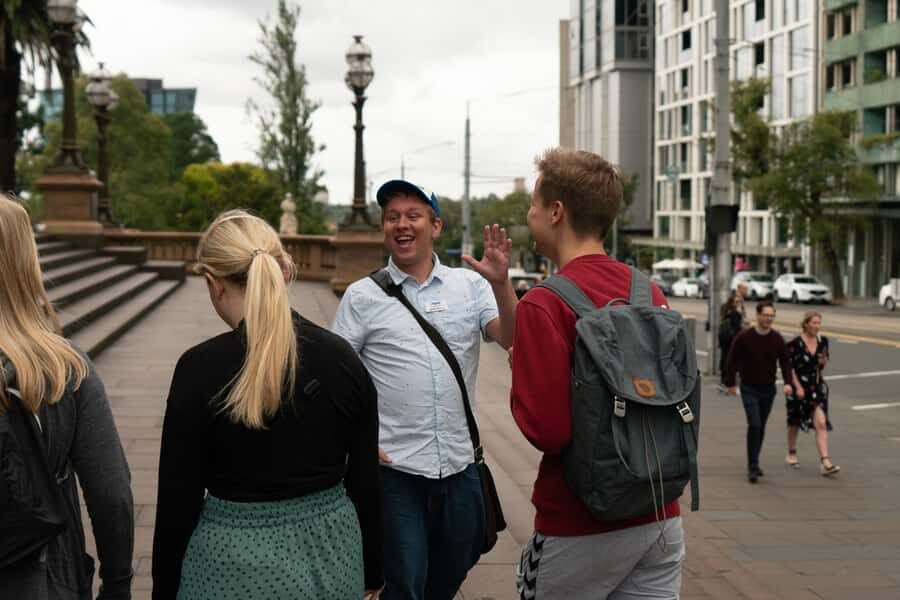
This end point also tends to be where the tour becomes most relaxed. Multiple guides mention humor and conversation, and the small group structure makes it easy to keep talking after the formal portion ends.
Price and value: what $91 buys you in real terms
At $91 per person for 3 hours, the price only makes sense if you get more than “walking and stops.” This tour is priced like an experience built around three things you’d usually pay separately for:
- Professional local guide time with commentary that aims beyond the obvious landmarks
- Two included food-and-drink moments: a coffee plus a pub drink
- A curated route that mixes major sights and in-between streets without you needing to plan it all
If you’d otherwise spend money on at least one café stop plus an attraction ticket or paid guided orientation, this becomes good value—especially for a first-time visit. And the small group size keeps you from feeling like you’re paying for crowd management.
One more practical note: the tour includes a free Melbourne map and guided recommendations. That’s “future value.” You leave with pointers for where to eat, drink, and what to check out later.
What to know before you go (so the tour feels good)
Bring:
- Comfortable walking shoes
- An umbrella if rain is forecast
- A phone/camera for photos (flash may be restricted in some indoor spots)
Expect:
- Stairs and uneven surfaces in laneways and arcades
- A route that hits a lot in 3 hours, with short guided stops rather than long sit-down explanations
Accessibility note:
- The tour is wheelchair accessible, but the tour may not be suitable for severe mobility issues because of the terrain and steps.
Group dynamics note:
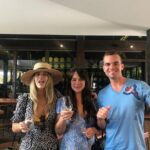
- The small group format is part of the charm. Guides like Hugo, Emily, Beau, and Ian (based on past sessions) are repeatedly described as funny, upbeat, and good at keeping people engaged. So if you like chatting or you have questions, this format rewards that.
Who should book this walking tour?
I think this is a great match if:
- You’re new to Melbourne and want context fast
- You care about how a city becomes what it is—money, migration, architecture, and everyday culture
- You want to see the street art side of Melbourne without treating it like a random photo safari
- You like a day that mixes history with food-and-drink stops
I’d skip it (or at least research carefully) if:
- You can’t handle walking for about 3 hours with occasional uneven ground and stairs
- You want a slow, loungey pace with lots of optional detours
- You prefer strictly indoor attractions (this route is heavily outdoors)
Should you book the Ultimate Melbourne Walking Tour?
If you want a smart introduction that blends Gold Rush-era storytelling, street art laneways, and two proper breaks (coffee plus a pub drink), I’d book this. It’s well-priced for what you get, and the small-group setup makes it feel personal instead of rushed.
If you’re choosing between doing “just the highlights” and doing something that helps you understand the city behind the highlights, this leans toward understanding. For most first-time visits, that’s the better use of 3 hours.
FAQ
How long is the Ultimate Melbourne Walking Tour?
It lasts about 3 hours.
How much does the tour cost?
The price is $91 per person.
What’s included in the tour?
You get a complimentary hot drink (flat white, long black, or hot chocolate) and a complimentary beverage at the end (house beer, wine, or cider) or a soft drink. The tour also includes professional local guide commentary, a free Melbourne map, and guided recommendations.
How big is the group?
The tour is a small group, with a maximum of 12 travelers.
Where do I meet the guide?
You meet at Gordon Reserve, a small park across the street from the Windsor Hotel. The guide will have a blue umbrella and stand next to the fountain.
What areas and stops are covered?
The route includes stops around major CBD landmarks and guided moments such as Parliament of Victoria, Old Treasury Building, Hosier Lane, Federation Square, Flinders Street Station, Degraves Street (coffee), Block Arcade, Skydeck sightseeing, Royal Arcade, Chinatown, State Library of Victoria, the Yarra River, Old Melbourne Gaol, and the Captain Melville pub.
Is the tour suitable in bad weather?
Yes. It operates in all weather conditions, so you should dress appropriately and bring an umbrella if rain is forecast.
Is the tour wheelchair accessible?
It is listed as wheelchair accessible, but it includes stairs and uneven surfaces and may not be suitable for travelers with severe mobility issues.