REVIEW · MELBOURNE WALKING TOURS
Melbourne Laneways Tour
Book on GetYourGuide →Operated by MELTours · Bookable on GetYourGuide
Melbourne hides its best stories in laneways. This 3-hour walking tour led by locals takes you past street art, oddball cafés, and historic buildings, with clear stories that connect today’s Melbourne to the gold-rush era and the birth of Australia. I especially love how the guide points out details you’d miss at street level, and I love the built-in coffee stop that keeps the pace human.
The main thing to consider is that it’s still a walking tour. Plan for uneven laneway crossings where you need to watch your footing and your own safety, and wear shoes you’re comfortable in for several hours on foot. The good news: the group stays small (up to 10 people), so you’re not lost in a crowd.
In This Review
- Key things I’d watch for
- Meeting at St Paul’s: Your laneway “game plan” starts here
- How the tour feels on the ground: street art, cafés, and quick stops that add up
- The street art specifics that make photos better
- Melbourne history, tied to real buildings and the laneway system
- Arcades, hidden shops, and the shops you’ll actually remember
- A small-group advantage you can feel
- Walking logistics: what to bring, how hard it is, and who it suits
- Price and value: is $91 fair for a 3-hour laneway tour?
- Should you book Melbourne’s Laneways Tour?
- FAQ
- Where does the Melbourne Laneways Tour meet?
- How long is the tour?
- What is included in the price?
- What is the group size limit?
- Is the tour wheelchair accessible?
- Is free cancellation available?
Key things I’d watch for
- Small group size (10 max) means more time at each stop and easier questions
- Coffee included so you get a break without hunting for a café yourself
- Street art with names and context, including specific works like Banksy-style parachute rats and Space Invader art (when visible)
- Historic Melbourne through the laneway system, not just a photo walk
- A guide-led route that threads architecture, arcades, shops, and galleries into one story
- Guides carry a consistent identifying look, with the guide typically carrying a blue bag and yellow sash
Meeting at St Paul’s: Your laneway “game plan” starts here
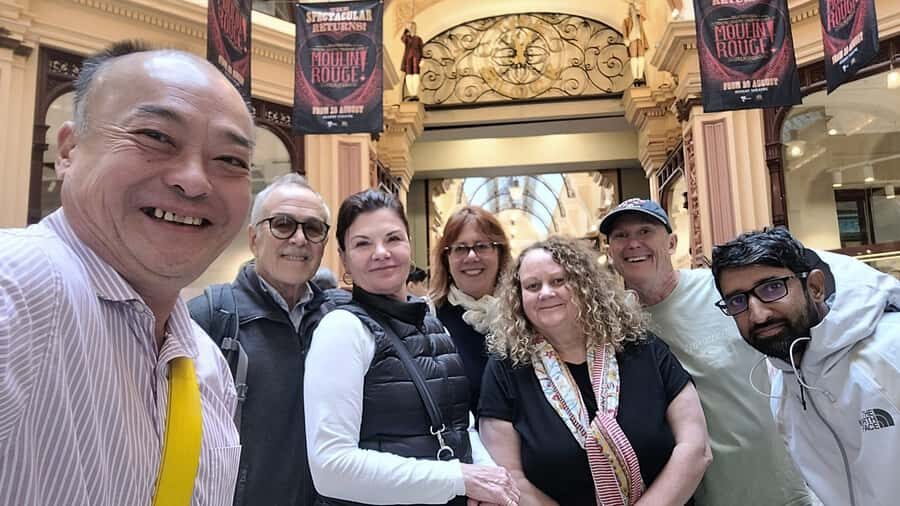
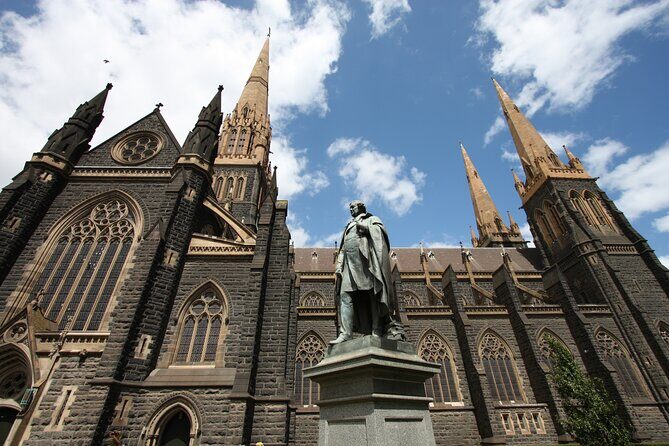
The tour meets at St Paul’s Cathedral on the front walkway, between the main entrance on Flinders St and the side door on Swanston St. You’ll see your guide carrying a blue bag with a yellow sash, which makes the first 30 seconds of the experience much less stressful.
This starting point matters. You’re right near major city landmarks, so you can quickly re-orient yourself, then move from big streets into the maze-like laneway network. If it’s your first time in Melbourne, that shift from open streets to narrow passages helps you get your bearings fast, without needing a map brain.
Also note the practical side: it’s a walking tour, and the crossings are mostly controlled except when you’re in the smaller laneways. That means your guide handles the route, but you’re still responsible for watching the ground and traffic at the tiny crossings.
You can also read our reviews of more tours and experiences in Melbourne.



How the tour feels on the ground: street art, cafés, and quick stops that add up
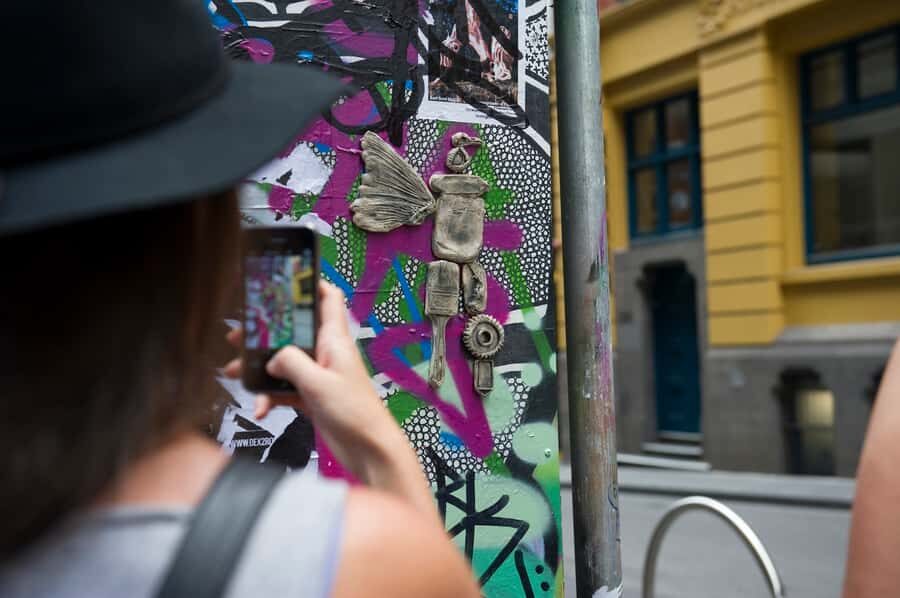
The heart of this tour is the way it uses Melbourne’s laneways as a living gallery. You don’t just see murals and tags; you learn what shaped the spaces that hold the art—old laneway layouts, building edges, and the city’s changing use of inner blocks. Guides like Kathy, John, San, and Sam are repeatedly praised for pointing out artworks and stories that you’d walk past if you were exploring alone.
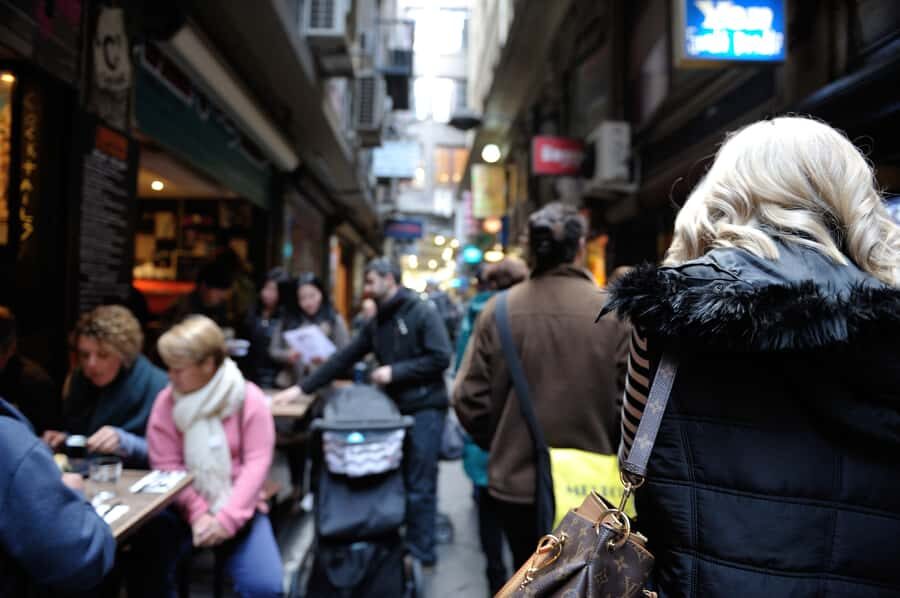
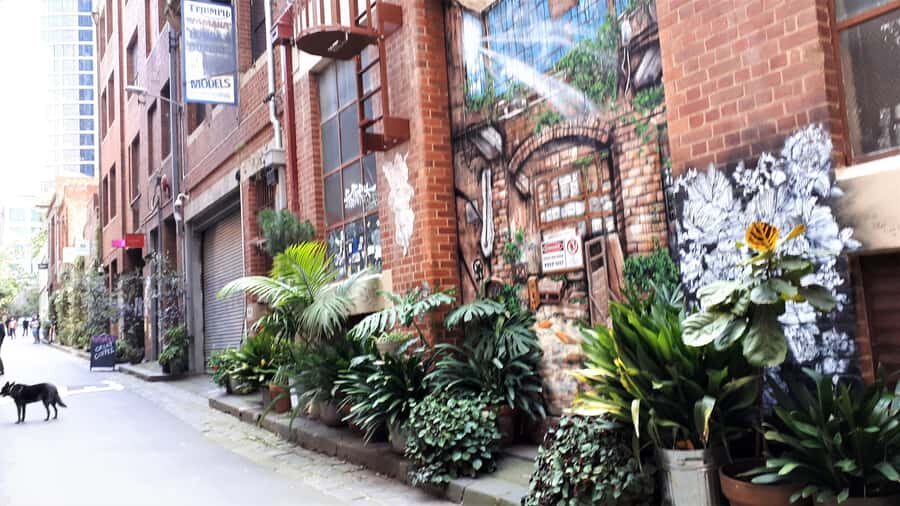
Expect a steady rhythm of short walks and focused stops. That’s a big deal for a 3-hour experience, because laneways aren’t only about what you see—they’re about how quickly the city changes as you turn a corner. You’ll get repeated chances to look up at façades, scan for artwork tucked into side walls, and notice how arcades and small shopfronts sit like secrets off main thoroughfares.
And then there’s the coffee stop. Multiple guides have been described as choosing a good café along the route, which makes sense: you’re likely to be standing, photographing, and walking for the first chunk, and a scheduled break keeps everyone alert. If you care about enjoying the tour instead of just surviving it, this coffee break is the difference.
The street art specifics that make photos better
A nice touch here is that the street art doesn’t get treated like a random scavenger hunt. You might hear about Banksy parachute rats and spot Space Invader style pieces, depending on what’s on display at the time. Some guides also point out street artists at work, which turns a mural from a picture into a moment.
Just keep your expectations flexible. Street art can change, and not every piece will be visible every day. Still, the value comes from how the guide teaches you how to read a laneway, not just one single famous wall.
Melbourne history, tied to real buildings and the laneway system
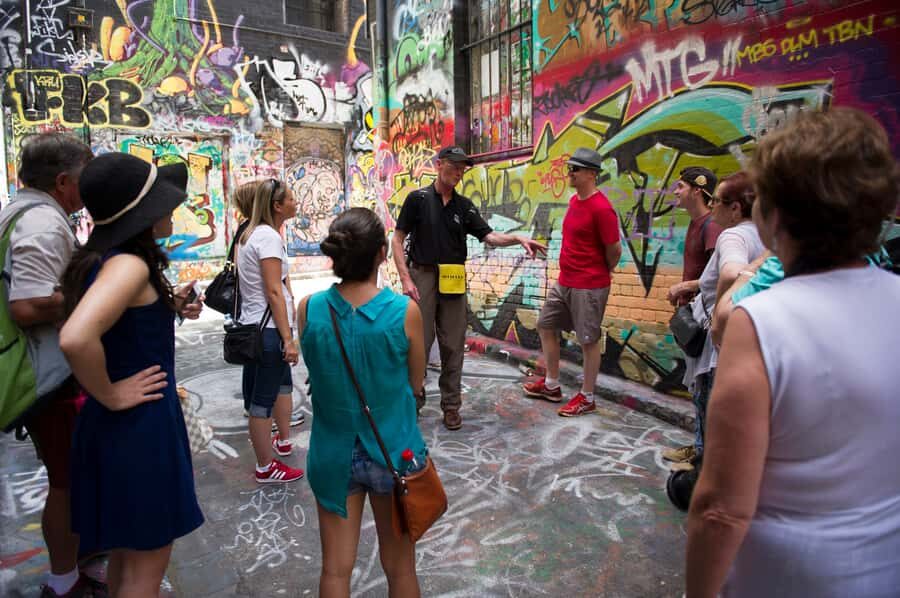
The tour’s biggest strength is the historical thread. You’re shown how Melbourne’s laneways connect to the city’s growth—starting from the gold-rush era and moving toward the wider story of Australia’s formation. The result is that the streets feel less random.
Instead of giving long lectures, the guide weaves history into what you’re standing beside. You’ll hear stories about the early urban pattern, how inner-city development shaped the laneway network, and why these narrow corridors became important to the city’s everyday life. In practical terms, it helps you understand why some laneways have a “back door” feeling while others feel like purpose-built passageways.
You also get architecture lessons by osmosis. Even when you’re not focused on a single building, you start noticing the differences in materials, window styles, and the way buildings face (or don’t face) the street. That’s why multiple people note how informative the experience feels for first-timers and even for people who’ve lived in Melbourne for years.
One warning in a good way: this isn’t a tour that moves purely by speed. If you like stories, you’ll likely lean in. If you don’t, you may still appreciate that the route makes sense—short stops, clear explanations, and a focus on what you can see in front of you.
Arcades, hidden shops, and the shops you’ll actually remember
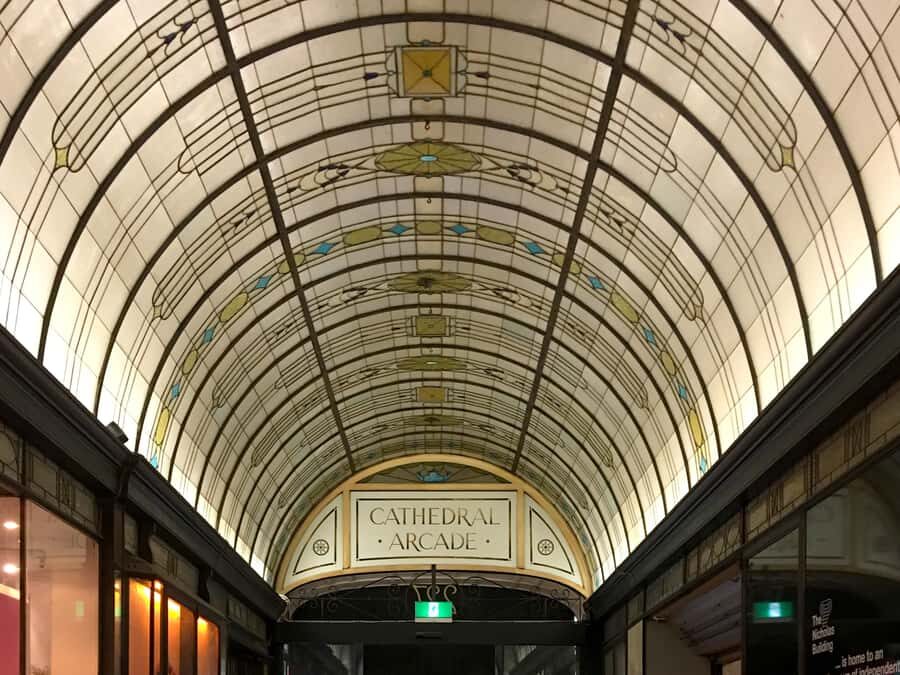
Melbourne’s inner lanes are famous for their small-scale commerce, but this tour doesn’t treat shopping as the point. It uses hidden shops, galleries, and quirky cafés to show you the city’s creative side and how the laneway culture developed.
You’ll often be steered toward places off your default walking path: small art spaces, tucked-in storefronts, and narrow passages where the city feels layered. Guides are praised for knowing spots you’d never stumble into by accident, which is exactly why a guided walk beats wandering without context.
There’s also a practical payoff after the tour. Many guides are noted for offering extra suggestions for what to do next, including places to eat and drink in the laneways. Even if you only catch part of the list in real time, you’ll likely leave with enough names and impressions to search later without getting lost.






A small-group advantage you can feel
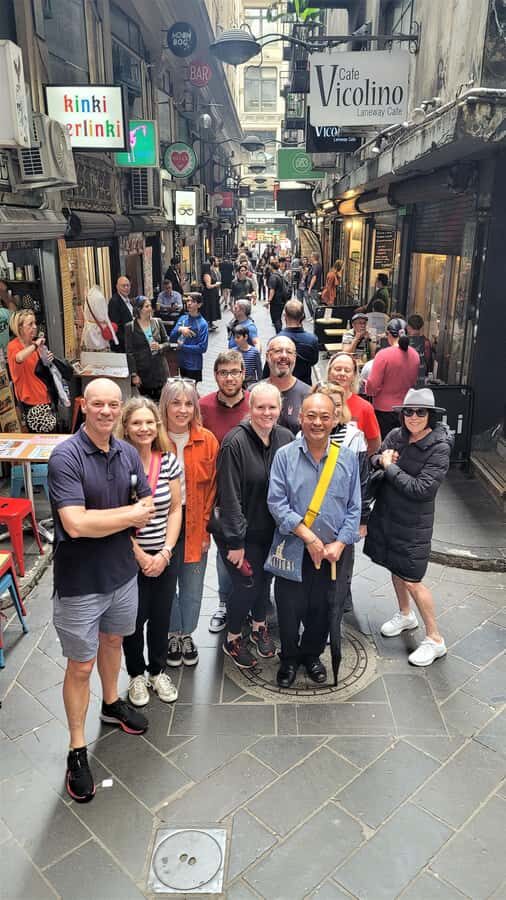
With up to 10 participants, you get time to stop without being rushed. A few guides have been described as setting a pace that works for the group and as being willing to linger for photos at the best angles. If you’re the kind of person who wants the whole “stand here, look up, notice that detail” experience, this group size helps a lot.
Walking logistics: what to bring, how hard it is, and who it suits
This tour is wheelchair accessible, and the operator notes that those with disabilities or families with children under 13 can be catered for via a private tour. If you fall into either category, it’s worth asking when you book how the route can be adjusted to fit your needs.
For everyone else, the basic rule is simple: bring comfortable shoes. Laneways mean uneven pavement, narrow edges, and frequent turns. It’s not described as a punishing trek, but it is real walking.
Crossing behavior is also specific. Controlled crossings are used at all times except where the route requires crossing small laneways, and you have to look out for your own safety there. That doesn’t mean it’s unsafe; it means you should pay attention like a local pedestrian, not like you’re on a theme-park walkway.
Who I think this suits best:
- First-time visitors who want a practical feel for the city’s inner layout
- Art and design lovers who want street art explained in context
- History buffs who’d rather learn from real streets than museum labels
- Anyone who likes a guided route early in a trip so later wandering feels easier
If you’re short on time, the timing is manageable at 3 hours, which is long enough to feel like you “did something,” but short enough to still explore on your own afterward.
Price and value: is $91 fair for a 3-hour laneway tour?
At $91 per person for 3 hours, you’re paying for two things: a local guide who knows the stories and the route, and an included coffee stop that keeps the experience comfortable.
For value, look at what you get besides photos. The tour is designed to connect the laneway network to Melbourne’s development—from gold-rush roots through later urban growth. That kind of city-logic teaching is hard to replicate just by walking around.
The other value point is the small group size. With only up to 10 people, you’re less likely to be stuck behind a line of strangers while the guide explains something interesting. You also get more chances to ask questions and request pointers for what to do next.
So is it worth it? If your goal is to understand Melbourne’s inner-city “why” and not only the “what,” the price feels reasonable. If you only want a quick street-art photo loop with no stories, you might find it better to self-walk a shorter route. But for most visitors, it hits a sweet spot.
Should you book Melbourne’s Laneways Tour?
I’d book it if you want Melbourne to feel like a place with stories, not just a set of pretty lanes. The combination of street art, architecture, historic context, and a coffee break makes the 3-hour format work. And the fact that guides like Kathy, John, and San get praised for finding hidden spots and explaining what you’re seeing tells you this is not a generic walk.
I’d think twice if you dislike walking or need very predictable step-by-step crossings, since small laneway crossings require extra attention from pedestrians. Also, if you’re only in Melbourne for a single afternoon and hate guided pacing, you might prefer a self-guided plan.
For most people, though, this is one of the easiest ways to understand why Melbourne’s laneways are such a big part of the city’s character.
FAQ
Where does the Melbourne Laneways Tour meet?
The meeting point is St Paul’s Cathedral, Melbourne, at the corner of Flinders St and Swanston St. Meet on the front walkway of the church between the main Flinders St entrance and the side door on Swanston St. The guide carries a blue bag with a yellow sash.
How long is the tour?
The tour runs for 3 hours.
What is included in the price?
The tour includes a coffee stop and a tour guide.
What is the group size limit?
It’s a small group, limited to 10 participants.
Is the tour wheelchair accessible?
Yes, the tour is listed as wheelchair accessible. For those with disabilities or families with children younger than 13 years, a private tour can be catered for.
Is free cancellation available?
Yes. Free cancellation is offered up to 24 hours in advance for a full refund.