REVIEW · MELBOURNE WALKING TOURS
Melbourne Sports Walking Tour
Book on Viator →Operated by Sporting Capital Tours · Bookable on Viator
Stadiums in two hours, on foot. This small-group walk (max 8) turns Melbourne into a live sports museum, with stops at the big-name venues and plenty of time to ask questions. I like how it covers multiple sports in one route, and I also like that you’re guided right through the heart of the stadium precinct instead of guessing your way around.
One thing to plan for: this is mostly an outside-and-sidewalk experience. If you were hoping for lots of inside stadium time, you might feel a bit limited (one guide got a request for more interior access). Also, since the tour requires good weather, you’ll want to check the forecast and wear shoes you can walk in comfortably.
In This Review
- Key points before you go
- Starting at Federation Square (meeting fast, walking smarter)
- Yarra River stop: sport and the city’s main “moving road”
- Rod Laver Arena and the Melbourne Park tennis complex
- Melbourne and Olympic Parks: why 1956 still matters
- AAMI Park: soccer and rugby in the main stadium zone
- The MCG finish: home of Australian sport
- What you actually get for $63.12 (value that makes sense)
- Guides make the difference: Ben, Greg, Cathy, Brian
- Weather and comfort: plan like you’re going to a game
- Who this walking tour is best for
- Quick check: what to do before and after
- Should you book the Melbourne Sports Walking Tour?
- FAQ
- How long is the Melbourne Sports Walking Tour?
- Where do we meet, and where does the tour end?
- What’s the maximum group size?
- Are there admission fees for the venue stops?
- Does this tour require good weather?
- What’s the cancellation window?
Key points before you go
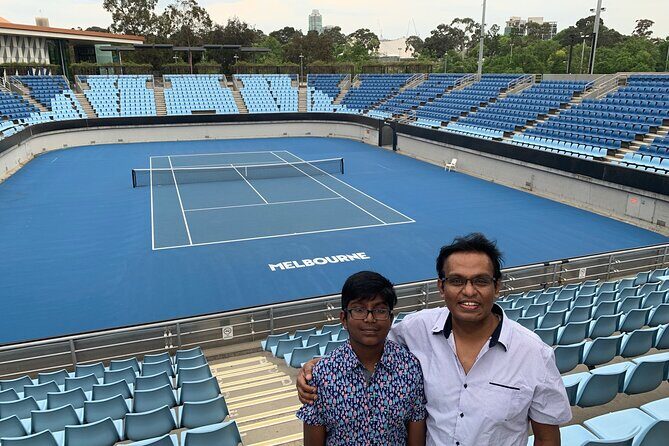
- Max 8 people means faster Q&A and less waiting around at each stop
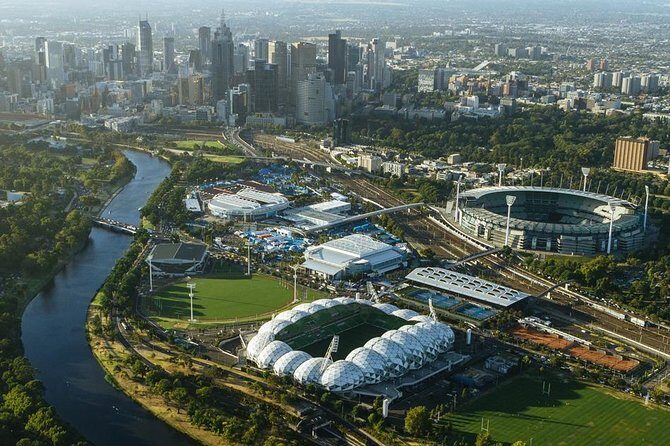
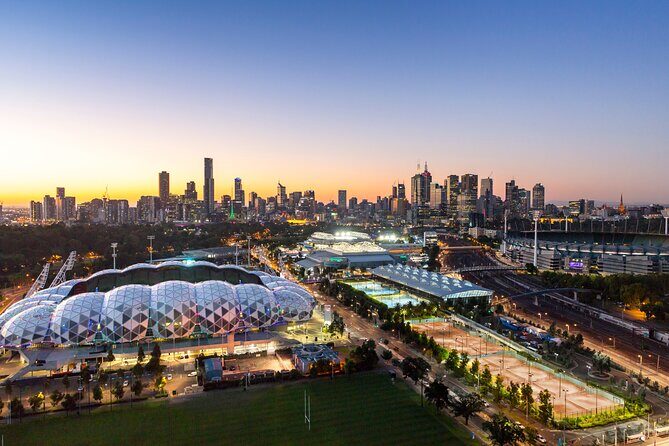
- Major stadium precinct route: Rod Laver Arena, AAMI Park, and the MCG
- 1956 Olympic Games focus gives context beyond match-day hype
- Yarra River stop connects the city’s waterway to its sporting story
- Mobile ticket keeps everything simple on the day
- Guides like Ben, Greg, Cathy, and Brian bring props, rules talk, and photo-friendly moments
Starting at Federation Square (meeting fast, walking smarter)
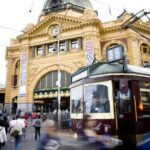
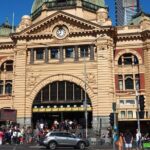
Your day begins near Federation Square, with the official start listed at Princes Bridge. In practical terms, this is a good choice because it’s central, easy to orient to, and close to public transport. If you’re trying to fit sports sightseeing into a busy Melbourne itinerary, this start point helps.
The tour is designed for a small group, which changes the vibe. You’re not just being herded from spot to spot. Your guide can answer questions as you go, whether that’s about Australian football, tennis, cricket, horse racing, or how the Melbourne venues came to matter so much.
It lasts about two hours, so it’s not a half-day commitment. You get enough time to move between the main venues and still keep it social and low-stress.
You can also read our reviews of more walking tours in Melbourne


Yarra River stop: sport and the city’s main “moving road”
The first walk-and-talk moment happens along the Yarra River for about 15 minutes. This isn’t random scenery. The point is to show why this stretch matters to Melbourne—how the river helped shape the city’s growth, and how that growth fed into its public culture, including sport.
I like this stop because it slows the day down for a minute. You’re not jumping straight from stadium to stadium. You get a quick sense of place, and the guide can connect the “where” to the “why.”
This is also a nice reset before the tennis precinct. If you come in with a sports brain, the river stop gives it somewhere to land.
Rod Laver Arena and the Melbourne Park tennis complex
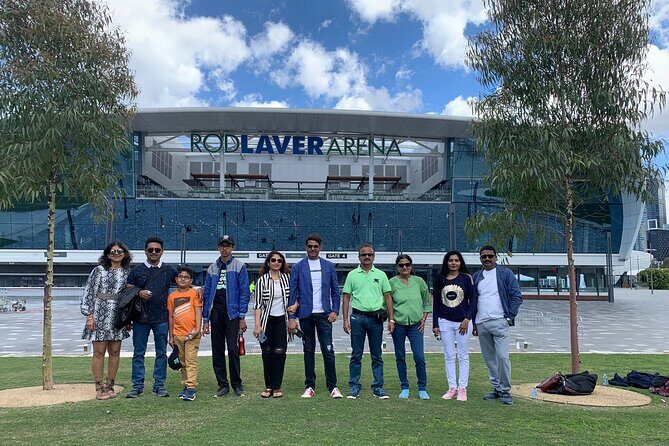
Next up: Rod Laver Arena, roughly 15 minutes through the Melbourne Park tennis precinct route. Even if you’re not a tennis diehard, this is where the city’s sporting identity gets easy to spot. The guide talks about what makes the grounds special and what players are actually doing there when the world’s attention lands.
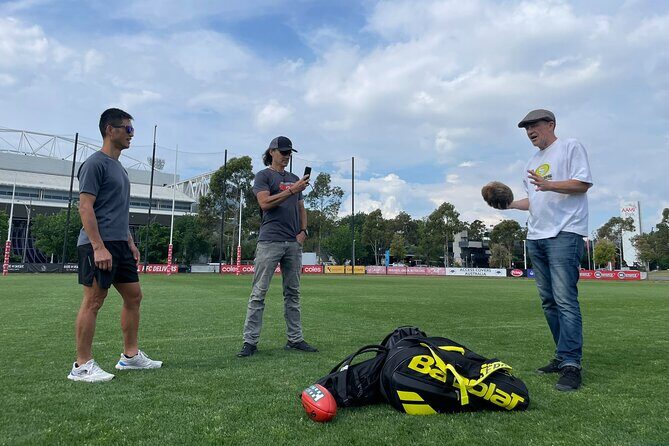
From the way guides describe it, the tennis portion tends to come with practical visuals. One guide (Ben) used props and explained how games are played and the basic rules. That kind of explanation is a gift when you’re standing near iconic courts but don’t want a lecture.
If you’re traveling during the Australian Open season, this stop can feel extra relevant because the Melbourne Park vibe is front-and-center then. Either way, it’s a strong “first big stadium moment” that sets the tone for the rest of the walk.
Melbourne and Olympic Parks: why 1956 still matters
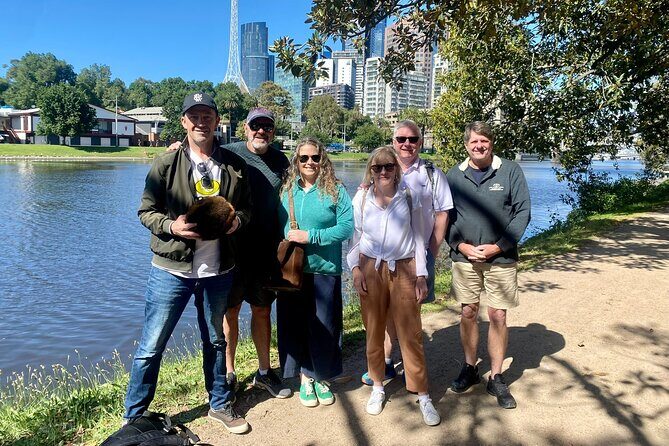
Then you move to Melbourne & Olympic Parks for about 10 minutes. This is one of the most interesting segments for anyone who likes context. The guide focuses on Melbourne’s 1956 Olympic Games and how that event shaped the city’s sporting footprint.
This portion works because it connects modern venues to a specific turning point, not just general stadium talk. You start to see the precinct as something built with long-term purpose—sport designed into the city, not added later.
Also, it helps explain why Melbourne takes its major events seriously. You’re not only looking at structures. You’re getting a sense of how and why they became part of the national story.
AAMI Park: soccer and rugby in the main stadium zone
After the Olympic context, the route hits AAMI Park for about 10 minutes. This is Melbourne’s main home for soccer and rugby, so it rounds out the sports mix in a way that feels intentional.
One review highlighted how guides adjust their approach to the group—so if your interests lean toward football codes or match-day culture, you’ll usually get answers that land. The guide can explain what you’re seeing and what to look for when you’re watching later.
AAMI Park also changes the pace of the walk. You’ve already had tennis and Olympics talk. Now the mood turns more toward teams, seasons, and stadium atmosphere—without needing ticketed entry.



The MCG finish: home of Australian sport
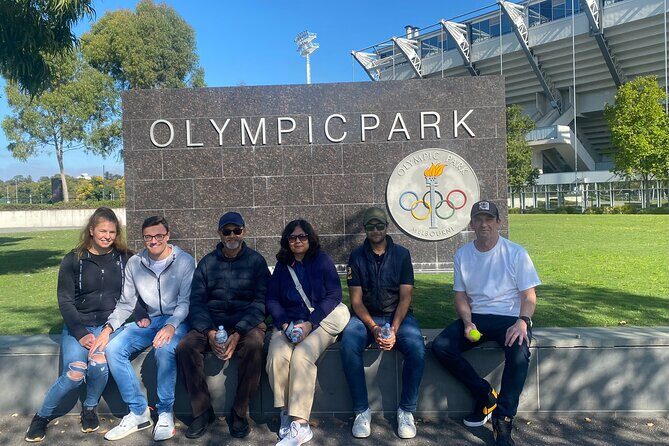
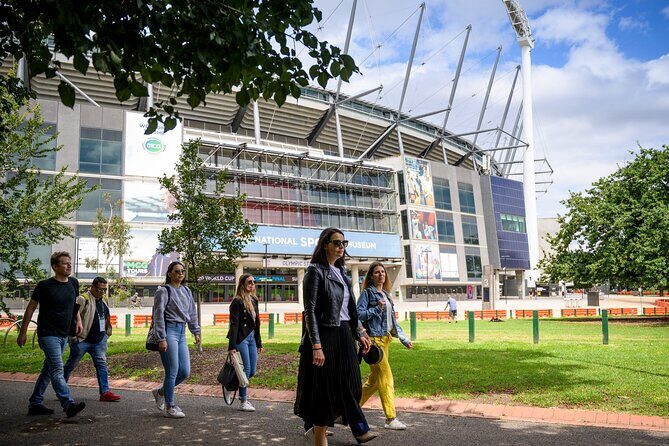
The tour ends at the Melbourne Cricket Ground (MCG), with about 15 minutes at the venue. The MCG stop is billed as home of Australian sport, and it feels that way quickly. Even from the outside, it’s hard not to notice scale and the intensity of what gets played there.
The best part of ending here is logistics: the tour states the finish at MCG Brunton Ave, and then it’s a short walk back toward Federation Square (about 10 minutes) or close to train and tram options. In plain terms, you don’t get stuck. You can keep exploring, grab lunch nearby, or hop straight to your next plan.
Also, the small-group format makes the final stop more useful. If you’ve had questions all along, the MCG is when you can ask your biggest ones—especially about Australian rules football, cricket culture, or why the MCG is so central in the sporting calendar.
What you actually get for $63.12 (value that makes sense)
At $63.12 per person for an about two-hour guided walk, the price can look “meh” if you expect stadium tickets or deep interior access. But this tour is selling something different: a guided route through the sporting precinct plus explanation you can’t easily recreate on your own in the same time.
Two value boosters make the math feel better:
- It’s a small group (max 8), which typically costs more to deliver than big tours. You’re paying for attention, not just motion.
- The route includes major stadium precinct stops with no paid admission indicated at the stop points, so you’re not stacking venue ticket costs onto the day.
If you’re the type who likes understanding what you’re looking at—how games work, why events matter, and how Melbourne’s sporting identity formed—this is one of the more efficient ways to do it.
And if you’re traveling with kids, infants 0–4 years are free, which can make the tour even easier to justify.
Guides make the difference: Ben, Greg, Cathy, Brian
A huge part of this tour is the guide style. The reviews show a pattern: the best moments are when the guide turns the venues into something you can picture—rules, small stories, and practical observations.
- Ben stands out for using props, explaining how games are played, and covering rules. He also took a lot of photo-friendly moments—helpful if you want a clean set of shots in front of iconic venues without trying to direct your own group.
- Ben and Terry (in one account) were praised for knowing Melbourne sports and the history inside out, plus being entertaining hosts.
- Greg brought lots of information and kept the walk engaging, though one review wished for more inside access.
- Cathy was described as well informed across sports and strong with stories about athletes she had met.
- Brian kept things structured and informative, with a focus on Melbourne sporting legacy.
In short: you’re not just paying for locations. You’re paying for someone to translate the city’s sports language while you’re standing in it.
Weather and comfort: plan like you’re going to a game
This tour requires good weather, and that affects your packing. Bring a light layer you can handle if the temperature shifts. Wear shoes with grip. The route is walking-heavy, and the meeting point and finish are both very public-transport friendly, so you’ll likely be doing extra walking anyway.
If you’re visiting in hot conditions, one guide mentioned adjusting the meeting time to avoid some of the heat, which is a smart move. If your dates line up with warm weather, it’s worth arriving with water in hand and a hat if you use one.
Who this walking tour is best for
This tour fits you well if:
- You love sport and want a quick, readable overview of how Melbourne became a major player
- You want more than photos and want context for what you’re seeing
- You like Q&A and small-group interaction
- You’re short on time but still want the big venues hit—tennis precinct, soccer/rugby stadium, and the MCG
It might be less perfect if:
- You’re only interested in stadium interiors and tours with guaranteed inside access
- You hate walking in public areas (there are multiple exterior viewing points and routes)
Quick check: what to do before and after
Because the tour ends at the MCG with easy transport options, it’s easy to build a follow-on plan. After the walk, you can head back toward Federation Square for coffee, or use nearby public transport to reach other parts of town.
Before the tour, it helps to have one or two sports questions ready. Guides can work with general interest, but your personal questions make the small-group size pay off.
Should you book the Melbourne Sports Walking Tour?
I’d book it if you want a compact, guide-led way to understand Melbourne’s sporting identity—tennis, football codes, cricket culture, and the 1956 Olympic connection—without spending a whole day in transit.
Skip it only if your top priority is guaranteed indoor stadium access. This is a walk-through, story-on-the-street kind of tour, and that’s exactly why it works: you see the city’s sports layout as one connected system, not as scattered landmarks.
If you’re a sports fan arriving for the first time—or even a repeat visitor who wants a better lens—this is one of the best “use your time wisely” choices in Melbourne.
FAQ
How long is the Melbourne Sports Walking Tour?
It runs for about 2 hours.
Where do we meet, and where does the tour end?
You meet near Princes Bridge/Federation Square and finish at the Melbourne Cricket Ground on Brunton Ave in Richmond.
What’s the maximum group size?
The tour has a maximum of 8 travelers.
Are there admission fees for the venue stops?
The tour’s stop details show admission tickets as free at each of the listed venue moments.
Does this tour require good weather?
Yes. If it’s canceled due to poor weather, you’ll be offered another date or a full refund.
What’s the cancellation window?
You can cancel up to 24 hours in advance for a full refund.