REVIEW · MELBOURNE WALKING TOURS
Melbourne: True Crime Walking Tour of Fitzroy
Book on GetYourGuide →Operated by Melbourne Historical Crime Tours · Bookable on GetYourGuide
Fitzroy has streets that still whisper crime. This 2-hour true crime walking tour threads gang wars, sly grog, and murders through the southern laneways while a free booklet gives you faces, documents, and crime-scene basics to take home. I love how the story stays grounded in real places, so you’re not just hearing names, you’re looking at addresses.
I also like the way the tour is built from police files, which turns the whole thing from shock-factor entertainment into something you can actually follow. On the day, guides such as Michael and Andrew have been praised for bringing cases to life and keeping the pace sharp enough that the history doesn’t feel like homework.
One consideration: the walking is light. The route is mostly within a few blocks, so if you’re craving a long, end-to-end stroll, this tour may feel more like a tightly focused neighborhood walk than a big trek.
In This Review
- Key Things I’d Highlight Before You Go
- Meeting Melbourne’s Museum Corner: The Orange Bench Start
- Southern Fitzroy’s Crime District: Why These Streets Feel Different
- Police Files to Real Streets: The Storytelling That Makes It Click
- The Free Booklet: Photos, Crime Maps, and Documents You Can Keep
- Sly Grog and Brothel Sites: Understanding the Underground Economy
- Gangland Wars and the Squizzy Taylor Trail
- How the 2 Hours Really Feel: Pace, Walking Amount, and Rain
- Is It Worth $35? Value for a True-Crime Walking Tour in Melbourne
- Who Should Book This Walk in Fitzroy
- Should You Book Melbourne’s True Crime Walking Tour of Fitzroy?
- FAQ
- How long is the Melbourne: True Crime Walking Tour of Fitzroy?
- What is the price per person?
- Where do I meet for the tour?
- What will I learn about on this tour?
- What’s included with the tour?
- Is the tour guided or self-paced?
- Is the tour wheelchair accessible?
- How far does the walking cover?
- Is there free cancellation?
- Can I reserve and pay later?
Key Things I’d Highlight Before You Go
- Police-file based storytelling that connects people, places, and outcomes
- A free booklet with photos of featured criminals plus crime-scene items you can reference later
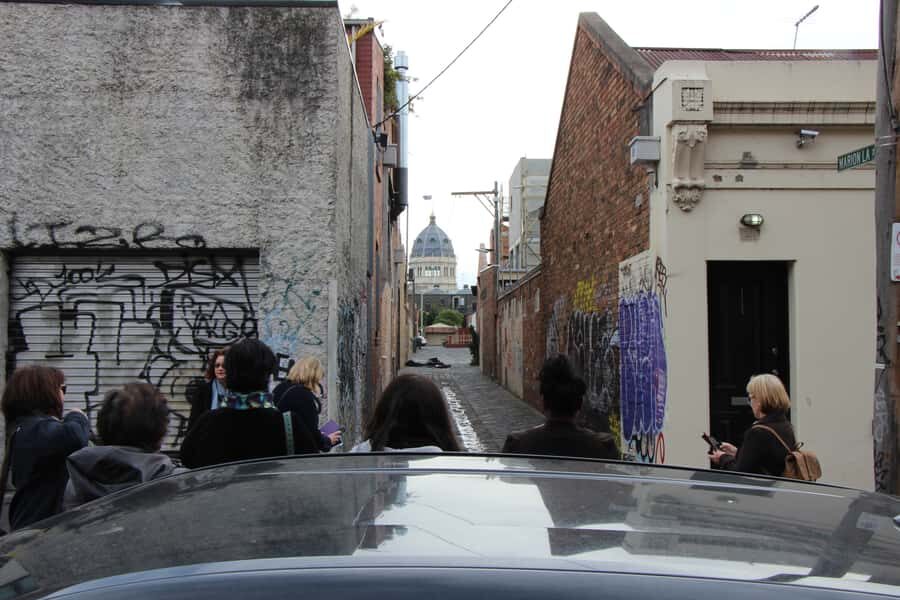
- Southern Fitzroy back alleys tied to gang wars, brothels, and murders
- Sly grog (illegal speakeasies) and the everyday setup behind an underground alcohol industry
- The Squizzy Taylor thread, showing how a criminal life intersected with drinking, fights, and trial
- A guide-led pace that keeps questions flowing while you move place to place
Meeting Melbourne’s Museum Corner: The Orange Bench Start
Most good tours begin with something easy to find, and this one does. You meet outside the Melbourne Museum entrance at the orange bench seat. It’s a practical start point because you can get your bearings fast in a very central area before the tour pushes you into a different Melbourne mood.
From that first moment, you’ll feel the contrast. Melbourne Museum is bright and civic; Fitzroy’s old crime district is darker and grittier. The guide’s job is to bridge that shift, and the best part is how quickly the walk turns into a guided “street map” of the past. You’ll be listening for street names, building sites, and locations you might otherwise ignore.
If you’re the sort of person who likes to orient yourself before a story gets intense, this meeting point helps. You’re not starting in the middle of a mystery. You’re starting from a clear landmark, then walking into the lanes where the characters once operated.
You can also read our reviews of more walking tours in Melbourne
Southern Fitzroy’s Crime District: Why These Streets Feel Different
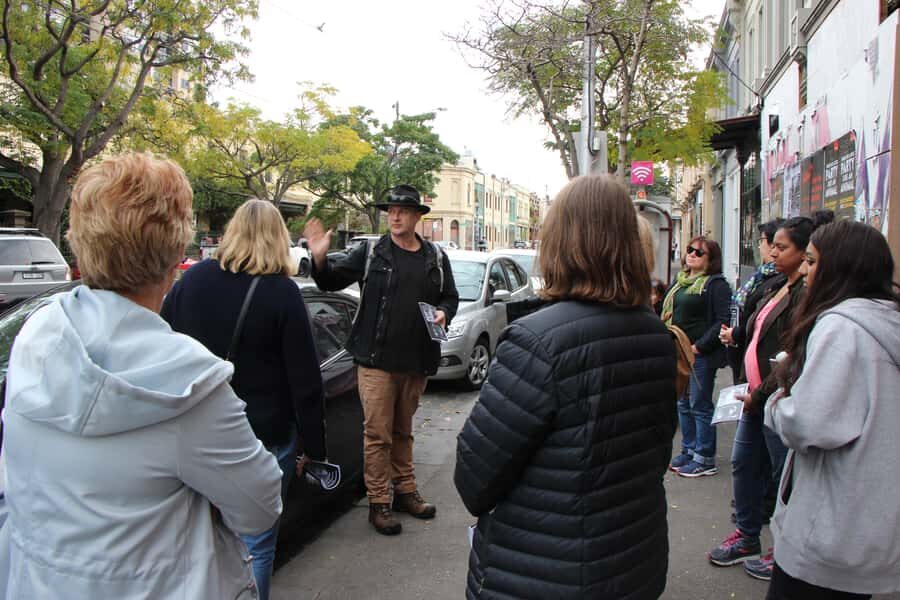
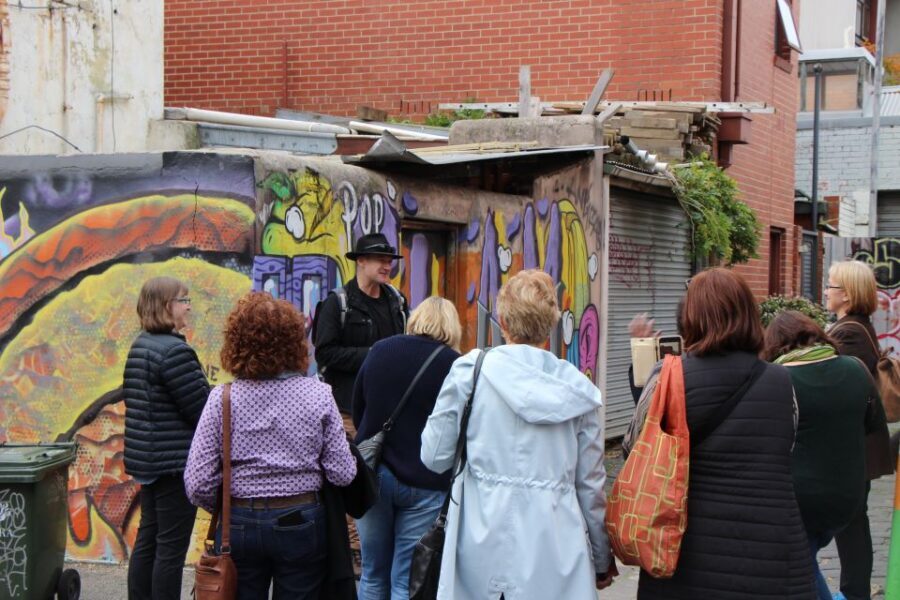
This tour focuses on the southern part of Fitzroy, where Melbourne’s criminals lived and worked about a century ago. That focus matters. Fitzroy can feel like a mix of cafés, murals, and local life now, but the tour re-frames what the streets represent—especially the narrower laneways and the in-between spaces that were perfect for secrecy.
You’ll walk past locations tied to gangland conflict, murders, and organized crime. What I like is that the tour doesn’t treat the area like one big blur of wrongdoing. It gives you a sense of how crime functioned as a network: people knew each other, businesses served as cover, and violence flared when rivalries escalated.
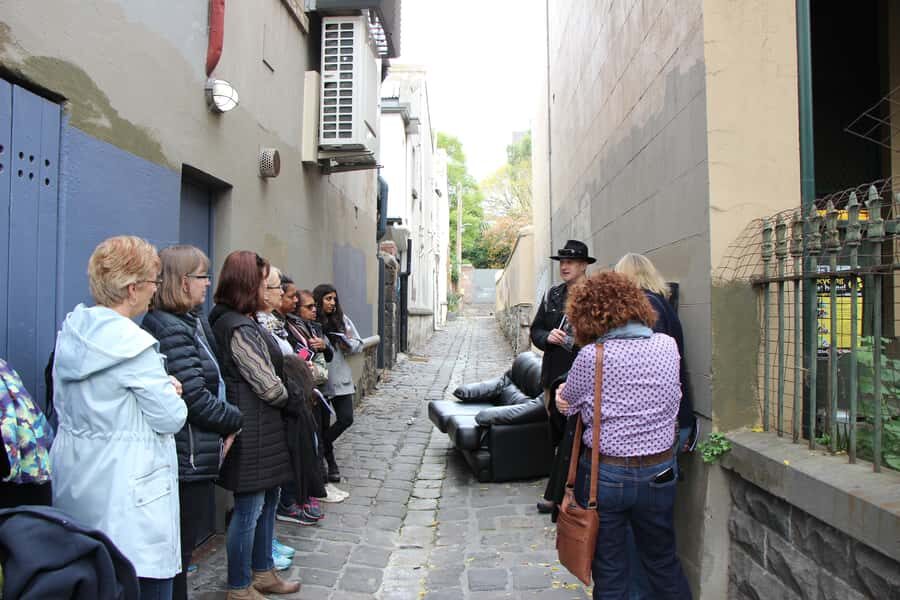
Back alleys and sidestreets are the point here. They’re the kind of places where you can picture a late-night exchange, a whispered meeting, or a quick getaway. Even if you’re not a “true crime” fanatic, you’ll still get something useful: a way to look at the neighborhood with fresh eyes. Old buildings aren’t just scenery on this tour; they become evidence of how life was organized.
And because the route is compact, you’re not constantly resetting your day. You move from stop to stop, and the guide keeps the story going without turning it into a long-distance hike. That makes it a good option if your schedule is packed or you’re traveling with mixed mobility.
Police Files to Real Streets: The Storytelling That Makes It Click
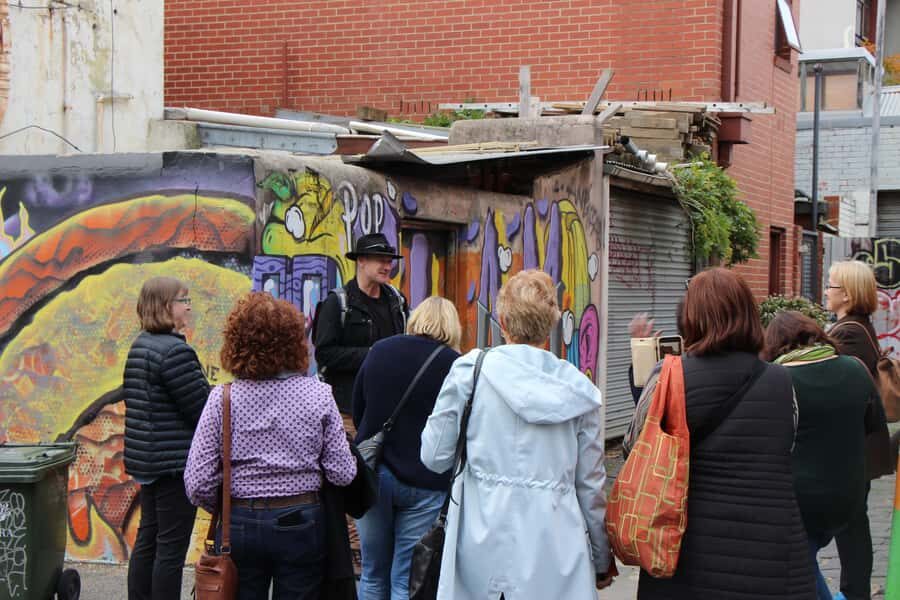
This walk is anchored in the idea that police records can tell a sharper story than rumor. The guide uses original police-file style detail to connect what happened to who was involved and where it unfolded. That approach changes the whole tone.
Instead of a vague “there were criminals back then,” you get a structured sequence. Names don’t float in space. They link to events, trials, and locations. Crime scenes become points you can visualize, not just sensational phrases. It’s the difference between reading a headline and understanding a case file.
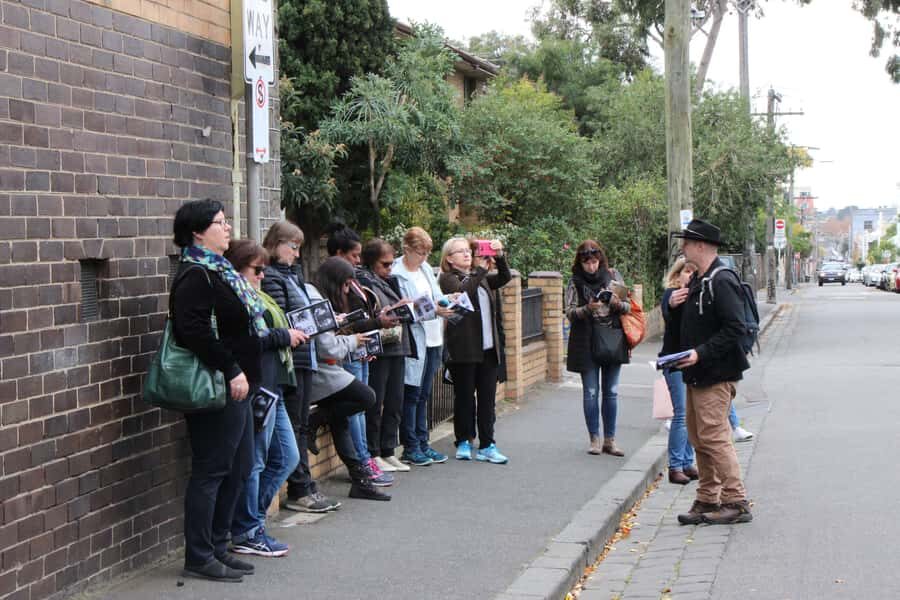
On days led by guides like Michael and Andrew, the delivery is often described as passionate and easy to follow. I’d translate that into what you should look for on your own tour: clear signposting, good pacing, and a willingness to answer questions as you walk. In a group setting, that matters. You don’t want to feel like you’re being lectured at. You want a conversation with your feet on the ground.
A small detail that adds real value: you get a booklet as part of the tour. During the walk, the guide talks about people and sites; later, the booklet helps you re-check who was who and where things happened. That makes the experience more “sticky,” because you can revisit it when you get back to your hotel.
The Free Booklet: Photos, Crime Maps, and Documents You Can Keep
If you only remember one thing about this tour, make it the free booklet. It’s handed over during the experience and is designed to keep you from losing the threads. You get photos of the characters discussed, plus crime-scene maps and other documents.
That might sound like a nice extra, but it’s actually the backbone of the tour’s value. Most walking tours rely on memory. This one supports memory. When you’re standing outside a site and the guide is explaining a plot point from long ago, it’s easy for details to blur later. The booklet gives you a way to lock them in.
It also changes how you listen. Instead of rushing to catch every name, you can focus on the story structure while knowing you’ll have supporting material. That’s especially useful if you’re the type who likes to take notes but knows your handwriting won’t keep up with a lively guide.
From a practical standpoint, the booklet is also a great souvenir that isn’t just glossy pictures. You’re taking home a folder of context that makes Fitzroy’s gangland past make sense even after the walk ends.
Sly Grog and Brothel Sites: Understanding the Underground Economy
One of the most interesting parts of the tour is how it explains Australia’s version of speakeasies: the illegal sly grog industry. You don’t just hear that “illegal alcohol existed.” You learn how those businesses worked as meeting points and cover for other activity.
As you pass former brothel sites and sly grog shops, you start to see the underground as part of an ecosystem. It wasn’t only about drinking. It was about who came through, who had protection, who made money, and how conflicts could be triggered when business ties broke down.
This section is valuable because it gives you a more complete picture of criminal life. Yes, there’s violence and gang war energy. But you also learn about the everyday survival mechanics in a neighborhood that was known for trouble. That context is what helps the stories feel real, not just dramatic.
Also, because these sites are part of the built environment you can still see today, the tour becomes a mini lesson in reading architecture. You’ll notice entrances, street frontage, and the kind of layout that could support secrecy. It’s the kind of observation skill that makes future walks more fun.


Gangland Wars and the Squizzy Taylor Trail
The tour threads through major criminal stories, including the famous figure known as Squizzy Taylor. You’ll hear about where he drank, fought, and faced trial, which turns him into more than a name you’ve spotted in a trivia book.
What makes this kind of “trail” approach work is that it builds cause and effect. When the guide ties an episode to a specific location, you can picture the momentum of the story. People move through a neighborhood like pieces on a board, and that’s exactly what you’ll feel as you walk from stop to stop.
Gangland wars are also a core theme, and the tour uses Fitzroy streets and back alleys as a stage for conflict. You’re essentially learning the geography of rivalry: where trouble was likely to surface, where meetings could happen out of sight, and how a neighborhood could become a pressure cooker.
This is also where the police-file approach pays off. Criminal stories can easily turn into “he said, she said” melodrama. Here, the case-style narrative helps keep the focus on what is known and what the record suggests.
One more practical note: the tour’s pacing is repeatedly described as well planned. That matters in the Squizzy Taylor section because the subject can get intense. You don’t want the story to feel rushed, and you don’t want it to sag into unrelated tangents. The tour aims for a steady rhythm, with time to absorb each location before moving on.
How the 2 Hours Really Feel: Pace, Walking Amount, and Rain
This tour lasts 2 hours, which is a smart length for a neighborhood-based story. It’s long enough to build a meaningful chain of events, but short enough that you’re not stuck doing one thing all day.
Walking is also worth noting. The route is mostly within a few blocks, and that makes it a good fit if you’re not chasing big mileage. You’re there for the stops and stories, not for endurance.
On top of that, the guide has shown the ability to adapt to weather. For example, when rain came up on a past tour, the guide adjusted the experience and provided rain protection for everyone. If you travel with a light jacket anyway, you’ll be set, but it’s good to know the tour isn’t rigid.
And since you’ll be outdoors and moving at a steady pace, it helps to come with a simple game plan: wear comfortable shoes, carry water, and expect to look up at buildings as much as you look at the pavement.
Is It Worth $35? Value for a True-Crime Walking Tour in Melbourne
At $35 per person for a 2-hour guided walk, this is one of the more budget-friendly ways to combine local storytelling with tangible take-home material. The value isn’t only the guide’s delivery. It’s what you leave with: the booklet full of photos, crime-scene maps, and documents tied directly to what you heard.
If you’ve ever done tours where you pay, listen, and forget half of it the next day, this is a better deal. You get something to re-check. That makes the experience last longer than the walk itself.
Also, the rating sits high, with an average around 4.9. That doesn’t automatically mean it’s your perfect match, but it does suggest consistent quality in guide performance and overall satisfaction.
Finally, this tour is built around a focused neighborhood and a specific theme: Fitzroy’s old criminal district. You’re not paying for generic “Melbourne history.” You’re paying to understand a slice of the city through the lens of crime, organized crime networks, and underground commerce.
Who Should Book This Walk in Fitzroy
This is a great fit if you like:
- True crime that stays tied to real places, not just abstract stories
- Neighborhood history that explains how people lived and survived, not only famous crimes
- Guides who narrate with energy and allow questions along the way
- A take-home resource that helps you remember what you saw
It might be a weaker fit if you want a long walking tour. Since the route is relatively compact, you won’t get the “march across the city” feeling. And if you dislike side stories that can grow off a main crime thread, you’ll want to tune your expectations toward a broader case context rather than only the most violent moments.
One more thought: this is dark material. The focus includes murders and gangland conflict. If that’s not your thing, consider whether you prefer softer historical themes elsewhere in Melbourne.
Should You Book Melbourne’s True Crime Walking Tour of Fitzroy?
If you want a memorable way to see Fitzroy that goes past cafés and streetscapes, I’d say yes. The mix of police-file based detail, a free booklet with photos and maps, and a guided walk through the southern crime district creates a strong value-to-time ratio.
I’d book it if you like stories that connect to addresses and building sites you can still stand in front of. I’d skip it if you’re chasing a big walking distance or you only want a straight line of crime without any context about sly grog, brothels, and the underground economy.
Either way, go with one mindset: treat the neighborhood like a crime map. When you do, Fitzroy stops feeling like just a suburb and starts feeling like a timeline written in brick and lane.
FAQ
How long is the Melbourne: True Crime Walking Tour of Fitzroy?
It runs for 2 hours.
What is the price per person?
The price is $35 per person.
Where do I meet for the tour?
You meet outside the Melbourne Museum entrance, at the orange bench seat.
What will I learn about on this tour?
You explore Fitzroy’s old crime district and learn about gang war, murders, organized crime, and the sly grog (illegal speakeasy) industry, plus related characters such as Squizzy Taylor.
What’s included with the tour?
You receive a free tour booklet with photos of the characters featured and other interesting crime scene items, including crime scene maps and documents.
Is the tour guided or self-paced?
It is a live guided tour in English.
Is the tour wheelchair accessible?
Yes, the tour is wheelchair accessible.
How far does the walking cover?
The tour covers the southern part of Fitzroy, focusing on streets and alleys; the walking is relatively limited to nearby areas.
Is there free cancellation?
Yes. You can cancel up to 24 hours in advance for a full refund.
Can I reserve and pay later?
Yes. You can reserve now and pay later to keep your plans flexible.