REVIEW · MELBOURNE WALKING TOURS
Icons of Melbourne Walking Tour
Book on GetYourGuide →Operated by Fit City Tours · Bookable on GetYourGuide
Melbourne has stories in its walls. This Icons of Melbourne walking tour strings them together with State Library Victoria as the starting spotlight and laneway street art as the main event. I especially like the way you get architecture and culture in the same walk, plus a real coffee-and-cafe stop that makes the city’s obsession make sense.
One thing to consider: it is a two-hour on-your-feet experience, and there’s no bag storage, so pack light and wear proper shoes.
The tour runs with a small group, capped at 10 people, which helps the guide keep the pace friendly and questions coming. Guides also share practical ideas for what to do after you finish, so you’re not stuck wandering the city with only a map and optimism. Your ending point is Federation Square, right where it’s easy to hop on public transport or continue exploring.
In This Review
- Key points worth knowing
- State Library Victoria: where the stories begin on Swanston Street
- From Collins Street to Swanston Street: the “big-city” contrast that makes Melbourne work
- Churches in the mix: St Francis’ Church and the communities behind them
- Laneways and street art: finding meaning in Hosier Lane and ACDC Lane areas
- The coffee-and-cafe stop that connects Melbourne to migration and trend
- Federation Square finish: a smart endpoint for your next move
- Price and time: does $68 feel worth it?
- Logistics that actually affect your comfort
- Who should book the Icons of Melbourne walking tour
- Should you book this Icons of Melbourne tour?
- FAQ
- FAQ
- Where does the tour start?
- Where does the tour end?
- How long is the Icons of Melbourne walking tour?
- How much does it cost?
- What’s the meeting train station near the start?
- What’s the nearest train station near the finish?
- Is it a small group tour?
- Is the tour wheelchair accessible?
- Does the tour run in bad weather?
- Is there storage available for bags?
Key points worth knowing
- State Library Victoria dome and reading rooms kick off the stories behind the city
- Historic churches like St Francis’ Church come with community backstories
- Laneways with street art show Melbourne’s arts-and-identity side beyond the main streets
- A local café or hidden bar stop connects coffee culture to the city’s migration and trends
- Finish at Federation Square for a smooth handoff to your next plan
State Library Victoria: where the stories begin on Swanston Street
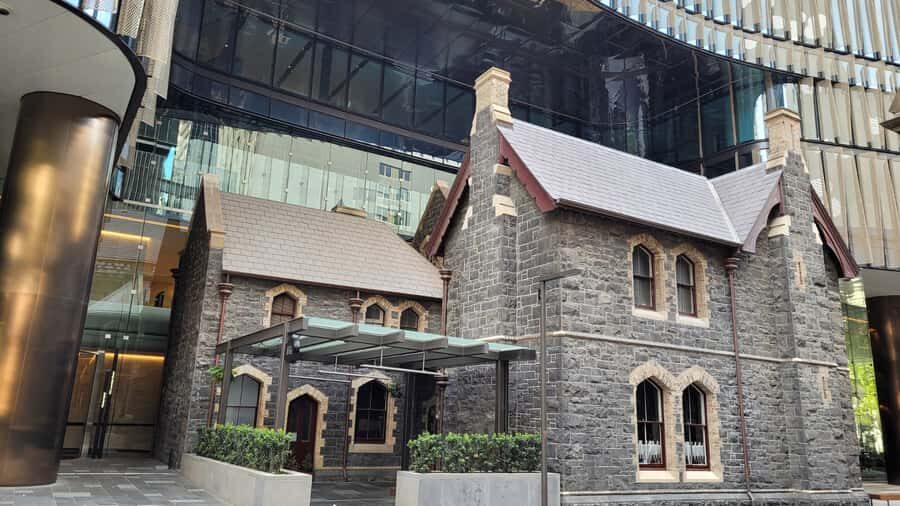
You start at State Library Victoria, meeting near the steps on Swanston Street. That choice is smart. The library looks grand from outside, but the real payoff is what it represents: a public building tied to Melbourne’s early days, civic pride, and the idea that knowledge should be for everyone. From the first stop, you’re not just collecting photos. You’re building context.
State Library Victoria’s dome and elegant reading rooms set the tone for the whole tour. Then your guide pulls in the city’s founding years and the gold rush era, which matters because that wealth helped reshape Melbourne fast. It also brought in new communities, new ambition, and a bigger-than-life attitude that still shows up in how the city talks, eats, and makes art.
I like that the tour uses this starting point as a springboard. You learn why certain streets and institutions matter, so later stops feel connected instead of random. And because the tour is only two hours, the pace stays tight without feeling rushed.
You can also read our reviews of more walking tours in Melbourne

From Collins Street to Swanston Street: the “big-city” contrast that makes Melbourne work
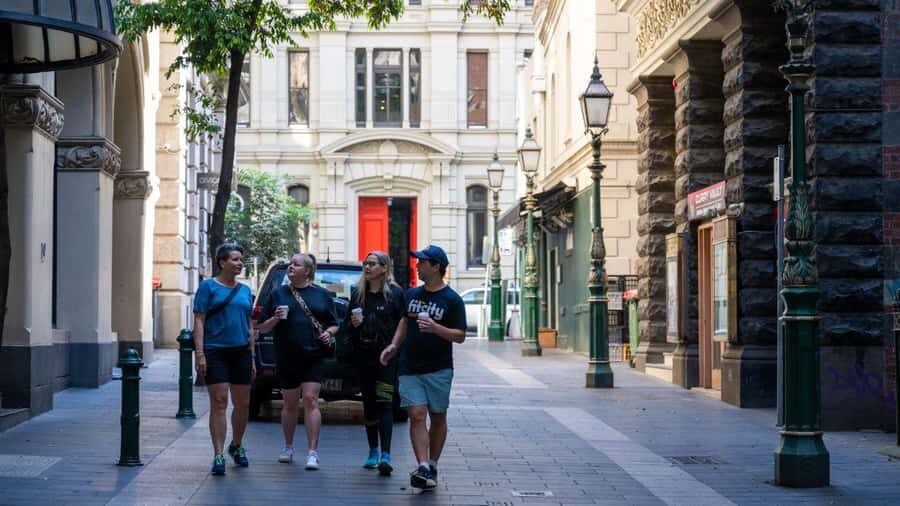
After the library, you move through a handpicked route of main streets, laneways, and arcades. One of the best things about this section is the contrast. You’ll pass areas tied to Melbourne’s historic grandeur, including Collins Street’s Paris End vibe—think old-world elegance and old money energy—then you’ll shift toward the pulse of Swanston Street, where music, protest, and pop culture all overlap.
That back-and-forth is the whole point. Melbourne isn’t one mood. It’s a stack of moods. The tour helps you see how the city can be formal and playful in the same block, sometimes with almost zero warning.
If you like cities that reward attention, this route works. Small details come up repeatedly: building shapes, street layouts, and the way crowds flow around certain intersections. It’s the kind of urban pattern recognition that makes you feel like you’ve got the city’s rules after only a short walk.
Churches in the mix: St Francis’ Church and the communities behind them
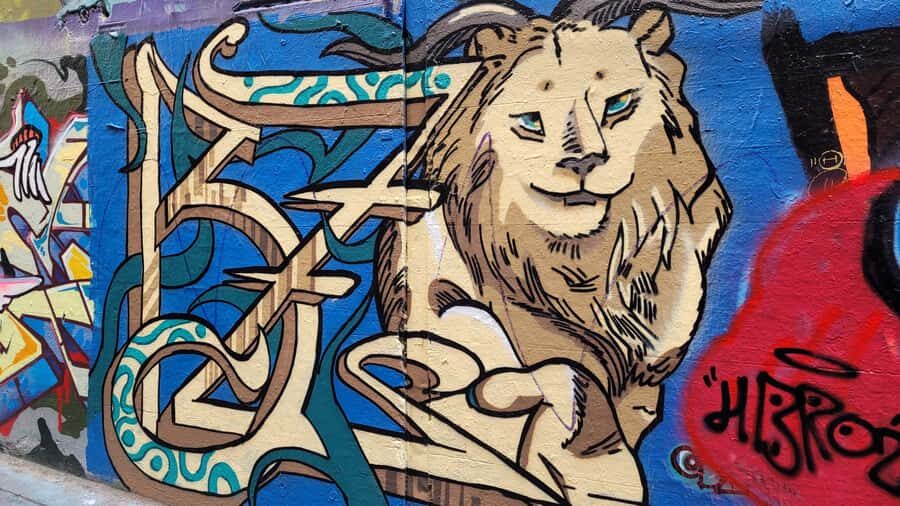
A big part of the charm here is that the tour doesn’t treat churches like museum pieces. It uses them as a way to explain how communities organized themselves and how places of worship became landmarks.
You’ll visit St Francis’ Church, noted as the oldest Catholic church in Victoria, and you’ll hear stories tied to the people who built it. Even if you’re not a church person, this stop can still land because it’s about identity—who showed up, what they believed, and how those early groups shaped what Melbourne became.
The bonus is that the church stories add weight to what you’re seeing outside. When you later glance at older buildings or spot familiar architectural styles, you’ll have a reason for why they look the way they do. That’s what turns a sightseeing walk into a real understanding walk.
One practical note: churches can be cooler than the sidewalk, so if weather is changeable, plan for layers. Also, because it’s a walking tour, you’ll want to be ready for brief pauses rather than long indoor time.
Laneways and street art: finding meaning in Hosier Lane and ACDC Lane areas
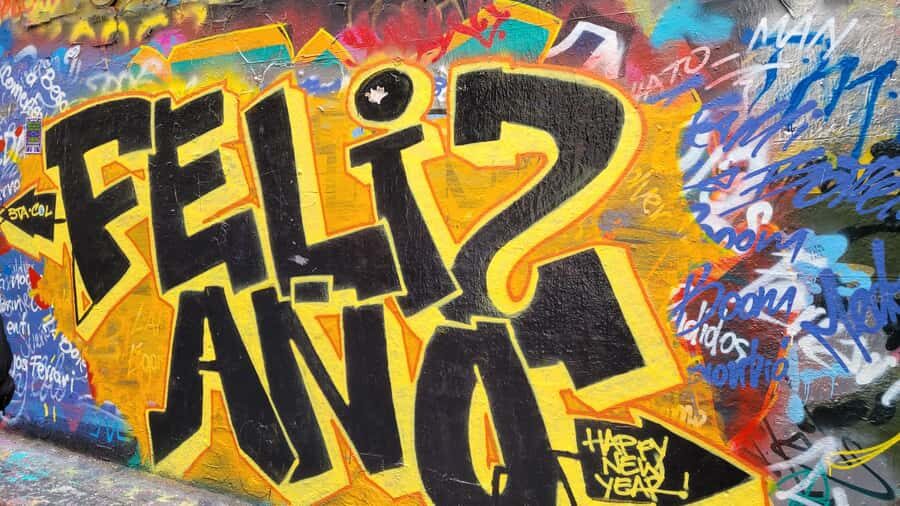
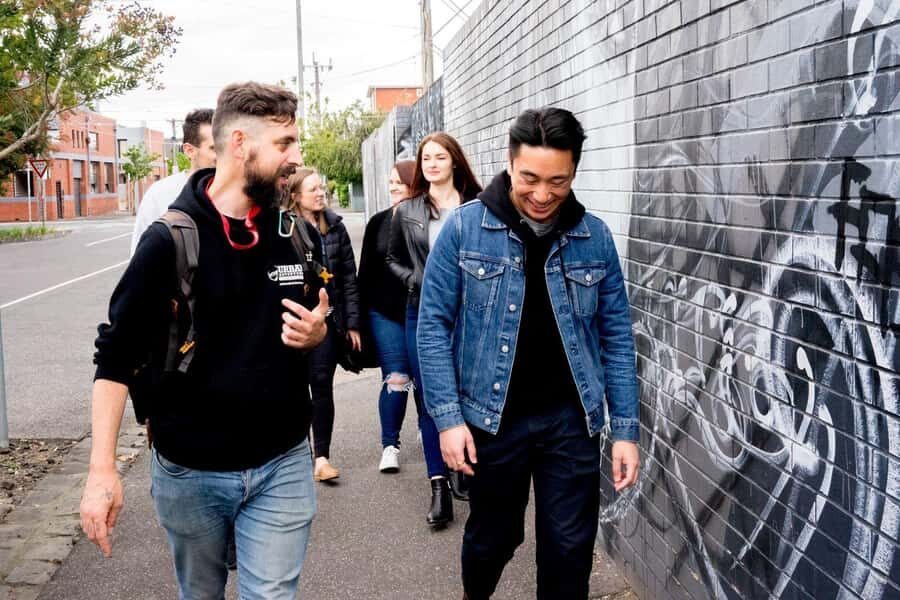
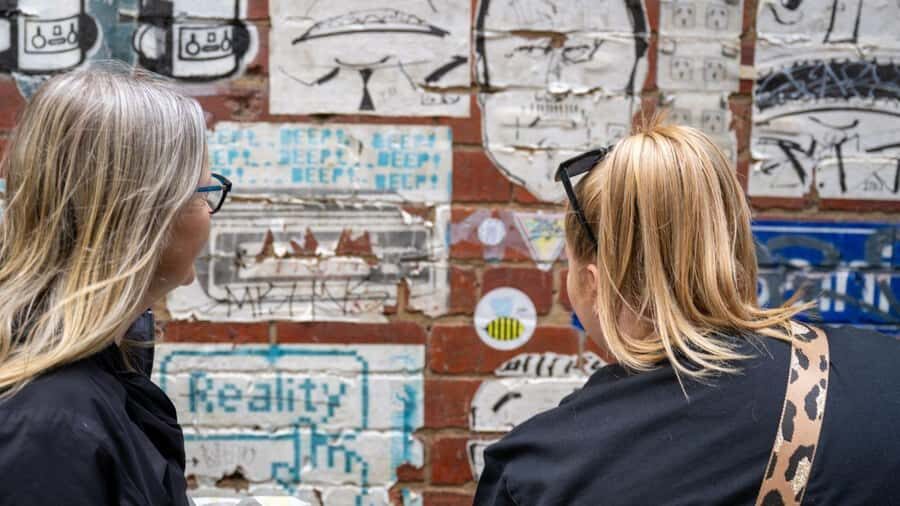
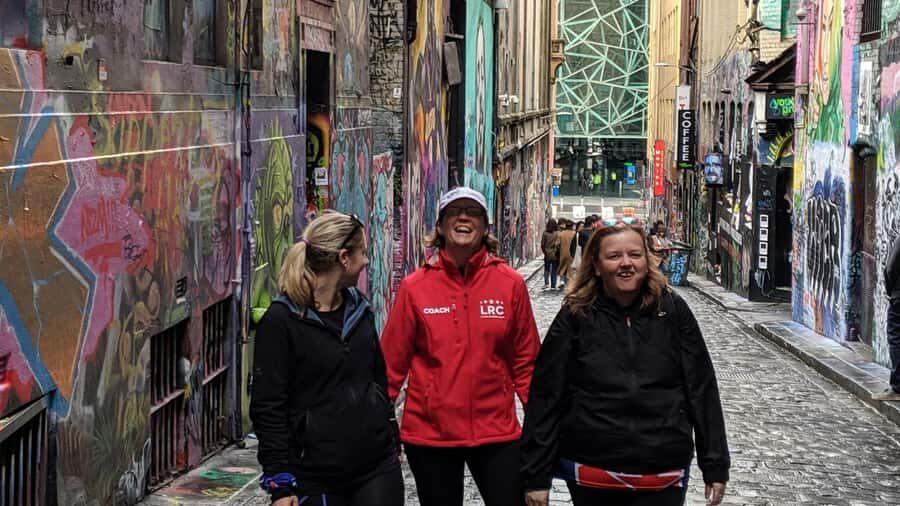
Melbourne is famous for street art, but the tour does more than point and say look. It helps you read the message. You’ll move into laneway spaces where art feels like part of everyday life—sometimes loud, sometimes political, and often both at once.
Stops include areas you’ll associate with Hosier Lane and ACDC Lane. You’ll hear how this creativity acts as social commentary and how it fits into Melbourne’s long-running habit of giving voice to different communities. In other words: the art isn’t just decoration. It’s conversation.
What I like for practical travelers is that the tour focuses on where to look and how to notice. Street art can be overwhelming if you wander without a thread. With a guide, you get the themes and the history that makes it easier to spot what matters.
Also, laneways can get crowded on busy days. A small group helps you keep moving without feeling like you’re stuck behind a wall of phones.
The coffee-and-cafe stop that connects Melbourne to migration and trend
Melbourne’s coffee reputation is real, but it can sound like a slogan until someone explains the human story behind it. On this tour, you’ll stop by a local café or a hidden bar and hear how Melbourne became the coffee capital of Australia, and even discussed as one of the world’s strongholds.
The explanation covers the evolution from post-war migration to the third-wave roasting era. That matters because coffee culture isn’t just about taste. It’s about routine, meeting points, and how neighborhoods change over time. When you understand that, you can walk into any café later and recognize it as part of the city’s bigger social system.
You’ll also get recommendations for food and drink after the tour. I treat that part as its own value: a guide who can point you to places that match your day beats searching with guesswork.
One thing to remember: you’ll want to keep your schedule flexible. If you’re the type who always orders the same drink, this stop is still worth it because the point is learning and spotting how cafés signal their vibe.



Federation Square finish: a smart endpoint for your next move

The tour ends at Federation Square, at the corner of Swanston & Flinders Streets. This is a good finish for practical reasons. It’s a major crossroads, easy to find, and simple to continue your day whether you’re heading to a museum, catching a tram, or just wandering.
Federation Square also makes sense thematically. You end in a modern cultural precinct after walking through the city’s older institutions, churches, and laneway art. It’s a clean handoff from colonial past to creative present—without turning the last stop into a lecture.
If you need a reset after two hours, this is where you can do it fast. Grab a drink nearby, sit for a minute, and then choose your next plan with the confidence that you’ve already learned how the city works.
Price and time: does $68 feel worth it?
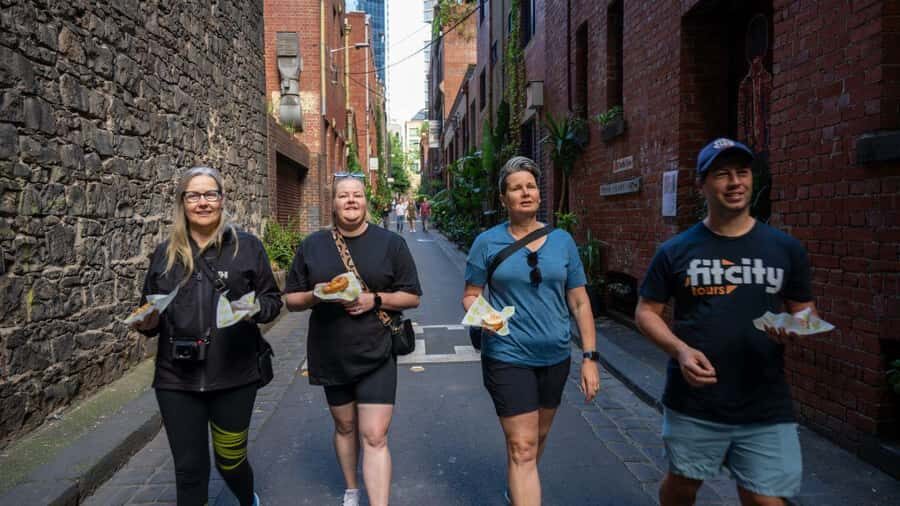
At $68 per person for 2 hours, this tour sits in the range where you want clear value. Here’s what makes it feel justified.
First, you get a small group limited to 10 participants. That matters because it improves the quality of conversation and reduces the chance you’re just listening to a script while everyone zones out.
Second, you get more than talking points. The experience includes access to photos taken during the tour plus insider tips for what to explore next. In a city like Melbourne, that post-tour guidance can save time and money, because you’ll spend less effort searching and more effort doing.
Third, the stops are well spaced for a short walk. State Library, churches, laneway art, coffee, and Federation Square in two hours is not a random route. It’s an intentional mix of heritage and street-level culture.
If you hate walking tours or you’re expecting a slow, sit-down museum day, this may not fit. But if you want a guided route that helps you see Melbourne faster and better, the price-to-time ratio works.
Logistics that actually affect your comfort
A few practical items will help you enjoy it more.
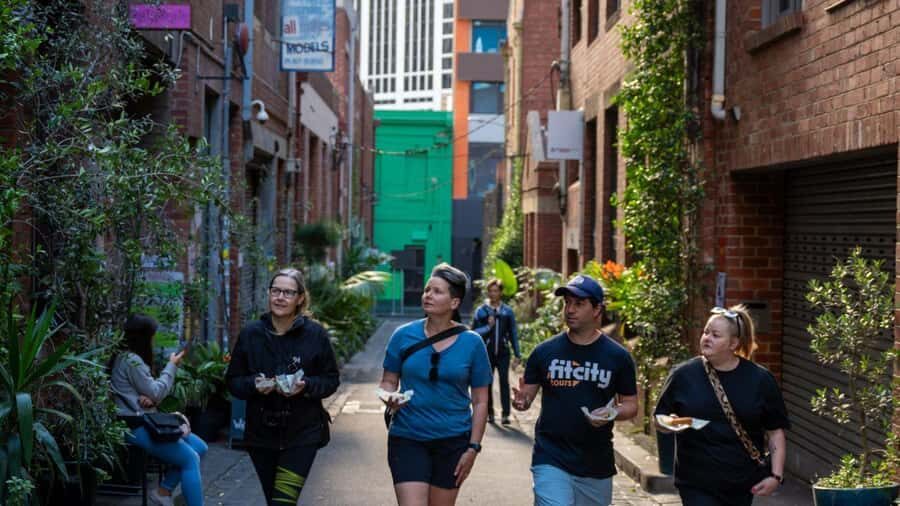
Wear comfortable clothing and suitable footwear. It’s a walking tour, and the route includes laneways as well as main streets, so plan for uneven sidewalk moments and weather changes. Bring a water bottle. There are refill stations along the route.
Tours operate rain or shine, so dress for Melbourne weather, not your home forecast. Also, there’s no storage for bags, which is important if you’re connecting from the airport or doing another activity before the tour.
On the plus side, the tour is wheelchair accessible, and it runs with a live English guide. If you have specific accessibility needs, you can contact the provider in advance to discuss accommodations.
Who should book the Icons of Melbourne walking tour
This tour fits best if you want a guided “get your bearings fast” introduction that still feels personal.
- You’ll like it if you care about how a city’s identity is built, not just what it looks like.
- It’s a good match for first-time visitors because it covers the right mix of landmarks and everyday culture in two hours.
- It also works for locals who want new angles. The guide’s focus on influential Melburnians, architecture, and street art can refresh your mental map quickly.
If you’re traveling with mixed interests—history folks plus coffee-and-street-art people—this route helps everyone get something.
Also, the guide’s style makes a difference. The tour is led by Rhonda (spelled Rhonda in most bookings), and multiple guests highlight her energy, humor, and ability to connect dots across the city.
Should you book this Icons of Melbourne tour?
If your goal is to understand Melbourne in a short time, I’d book it. The route hits the big “how the city became itself” themes: gold-rush-era growth, community-building through institutions, the street art voice, and the coffee culture story that turned cafés into social hubs. Then you end at Federation Square, ready to continue without stress.
Skip it only if you want a mostly indoor plan, need lots of bag space, or dislike walking in changing weather. Otherwise, this is one of the cleaner ways to get a guided sense of place without overcommitting your day.
FAQ
FAQ
Where does the tour start?
The tour starts at State Library Victoria, meeting near the steps on Swanston Street.
Where does the tour end?
The tour concludes at Federation Square, at the corner of Swanston & Flinders Streets.
How long is the Icons of Melbourne walking tour?
It lasts 2 hours.
How much does it cost?
The price is $68 per person.
What’s the meeting train station near the start?
The nearest train station at the start is Melbourne Central.
What’s the nearest train station near the finish?
The nearest train station at the finish is Flinders Street.
Is it a small group tour?
Yes. It’s a small group with a maximum of 10 participants.
Is the tour wheelchair accessible?
Yes, the tour is listed as wheelchair accessible.
Does the tour run in bad weather?
Yes. The tour operates rain or shine.
Is there storage available for bags?
No. There are no storage facilities for bags.