REVIEW · MELBOURNE WALKING TOURS
Melbourne: Must-See Walking Tour With a Guide
Book on GetYourGuide →Operated by Guydeez Tours · Bookable on GetYourGuide
Melbourne looks different when someone walks you through it. This private walking tour packs in major sights and the sideways details that make the city feel like yours—think Federation Square, Hosier Lane’s street art, and the storytelling stop at Old Melbourne Gaol. The pace stays relaxed, with your guide shaping the walk to your questions.
I like that you get two things at once: first, the main landmarks you came for, and second, practical city advice you can use immediately after. I also like the no-rush setup on a private outing, plus the included public transport links so you are not grinding every block for three hours. One possible drawback: if you want very deep historical and architectural commentary at every stop, your enjoyment may depend on the guide’s style and focus.
In This Review
- Key highlights worth your attention
- Starting at 15 Gisborne Street: how the tour gets you moving fast
- Old Treasury Building: a strong anchor for the rest of the walk
- Hosier Lane street art: the best kind of chaos on a guided walk
- Melbourne Skydeck and Federation Square: the city’s big public-story moments
- Flinders Street Station and Bourke Street Mall: the classic Melbourne pulse
- Block Arcade and Gold Rush-era architecture: why Melbourne feels different downtown
- Chinatown: more than a stop sign for food
- Old Melbourne Gaol: bushranger stories that give the city a darker edge
- State Library of Victoria and Parliament of Victoria: the civic side of Melbourne
- ACDC Lane and the Yarra River: finishing with color and open air
- Coffee stop and pub finish: where the tour turns into your plan
- Price and what $64 gets you in real terms
- Who this Melbourne walk is best for
- Should you book this Melbourne walking tour?
- FAQ
- How long is the Melbourne walking tour?
- Where do I meet the guide?
- Is this tour private?
- What does the tour include?
- Are food and drinks included?
- Which places will we see?
- Is there a guide on the tour?
- What languages are available?
- Are pets allowed?
Key highlights worth your attention
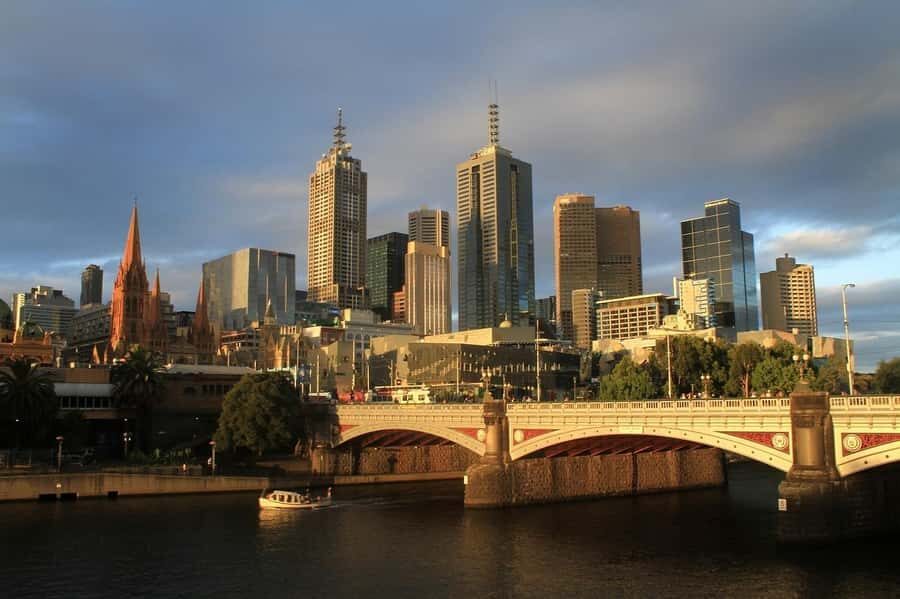
- Hosier Lane and the laneway street art you can actually see up close, not just read about
- Chinatown and the chance to learn what makes it a go-to area
- Old Melbourne Gaol and the bushranger stories that give the city edges
- Old Treasury Building to Federation Square to Flinders Street in one smooth circuit
- Block Arcade and Gold Rush-era architecture framing how Melbourne grew
- A walk that ends with options: coffee at your expense, then a local pub-style finish
Starting at 15 Gisborne Street: how the tour gets you moving fast
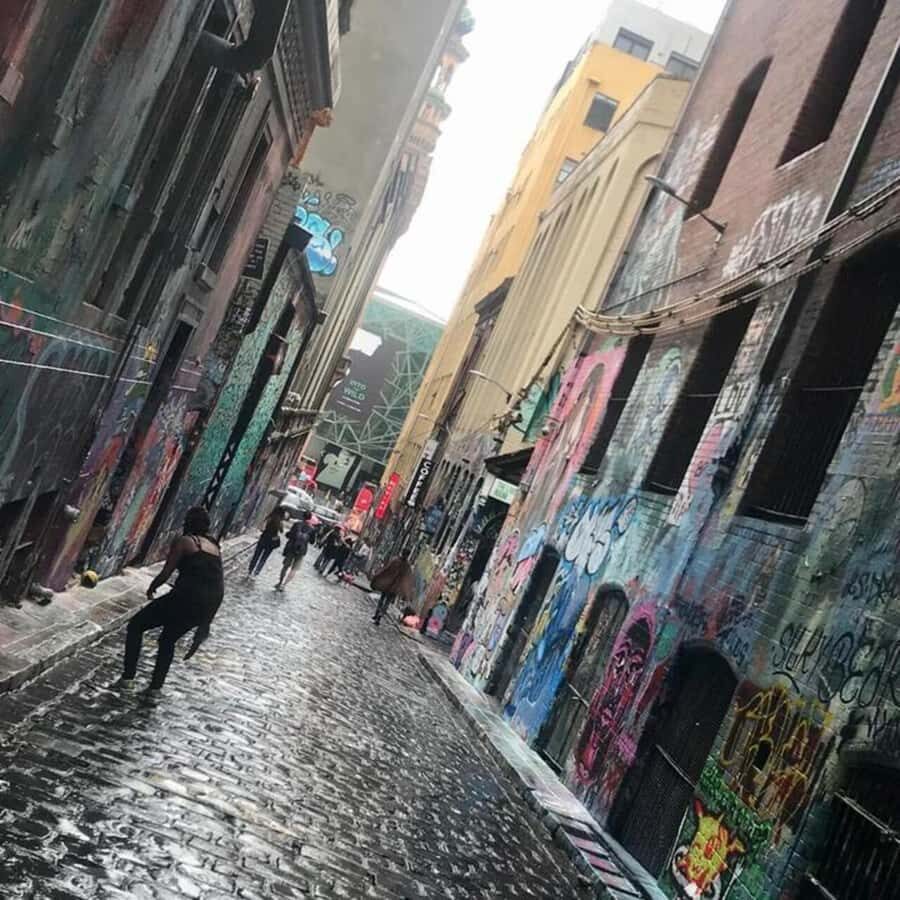
Meet your guide at 15 Gisborne Street, where the tour kicks off in a practical, on-foot way. That start location matters because it puts you in the thick of central Melbourne right away, before you waste time figuring out where things are.
This is a 3-hour tour on foot with public transport included. Translation: yes, you’ll walk a lot, but you should also expect some smart connections to keep you comfortable. If you’re the kind of person who likes to get your bearings fast, this format usually helps.
Also, bring comfortable shoes. This is not a sit-and-sip experience. You’ll be stopping often, looking around, and moving again.
You can also read our reviews of more walking tours in Melbourne
Old Treasury Building: a strong anchor for the rest of the walk
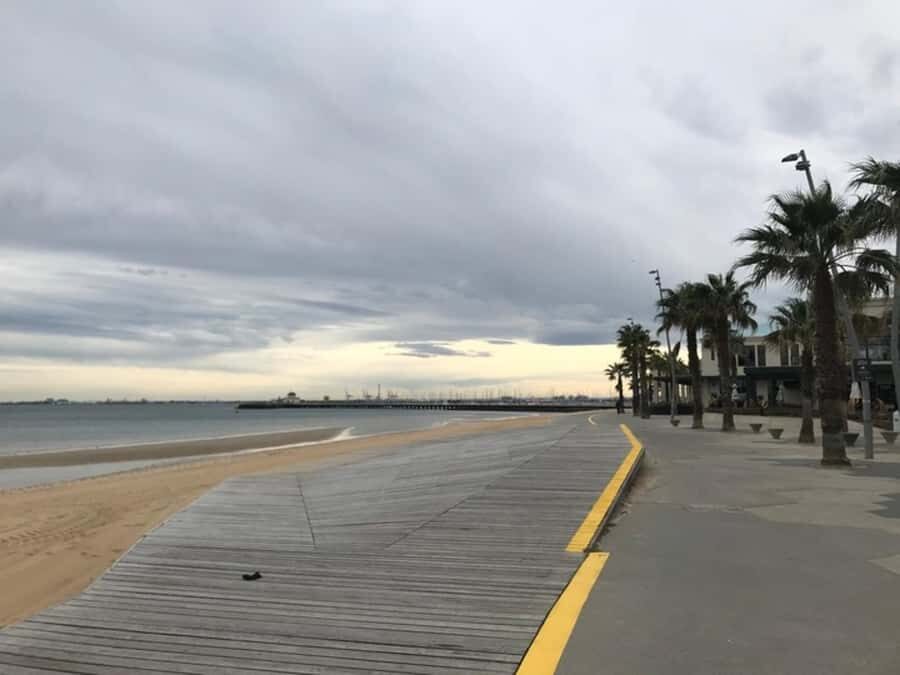
The first guided landmark stop is the Old Treasury Building. I like using a formal, central site like this early on because it sets a reference point. Instead of treating Melbourne as a pile of separate attractions, you start seeing how areas link together.
Your guide’s job here is to give you the “why this place matters” version, not just the “what this is.” Even if you already know Melbourne basics, you’ll likely pick up small pointers about what to notice as you move on—details you’d normally walk past.
If your goal is to understand the city layout and the vibe changes between neighborhoods, starting at a landmark like this helps. You’ll be better prepared to enjoy the laneways later instead of just hunting for street art photos.
Hosier Lane street art: the best kind of chaos on a guided walk
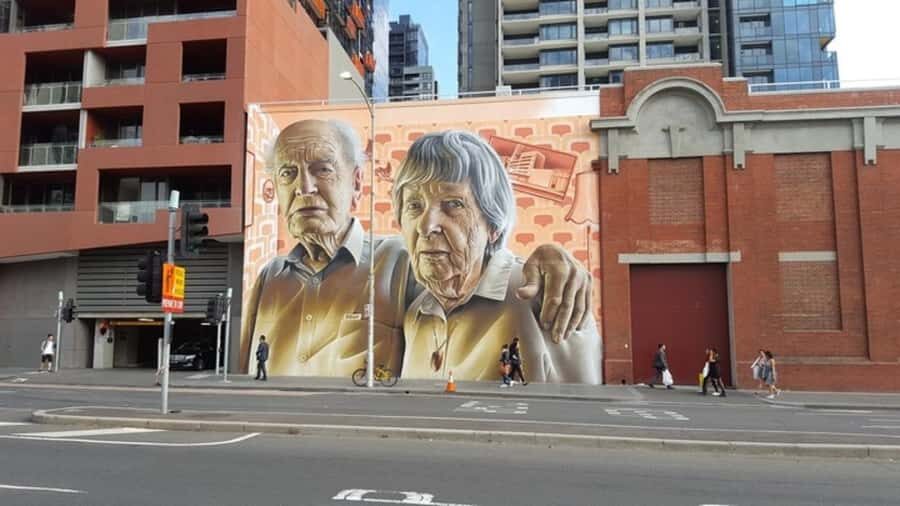
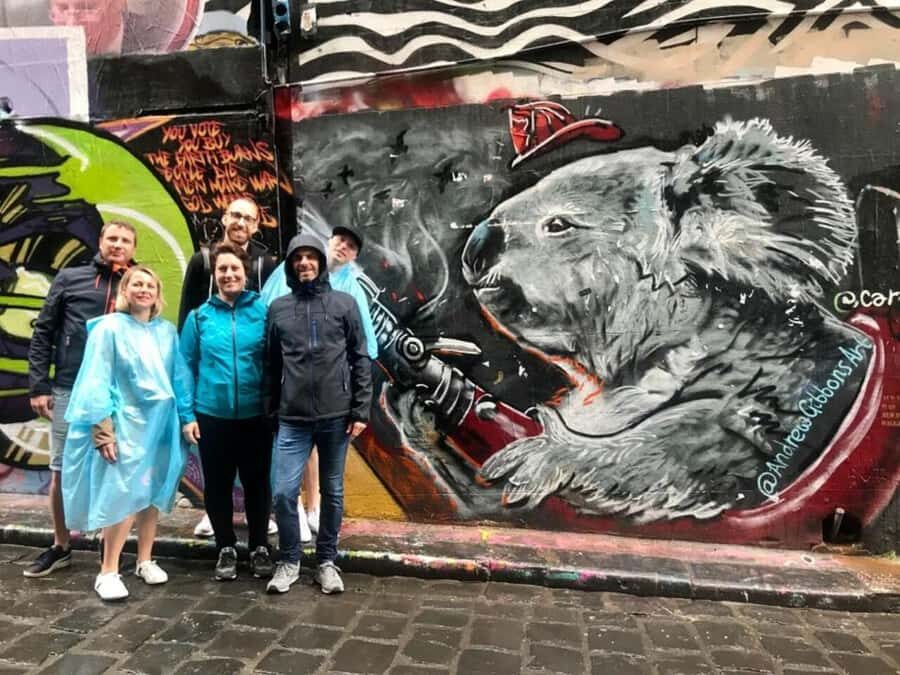
Next up is Hosier Lane, and this is one of those Melbourne stops where a guide genuinely changes your experience. The reason is simple: street art is visual, but it’s also contextual. When your guide talks you through what you’re seeing, you stop treating it like random graffiti and start reading it like a living wall.
You’ll get a guided look here, and it’s also part of the bigger laneway theme on the route. If you like taking your time and circling back to certain pieces, the tour’s private setup helps. There’s time to pause without feeling like you’re holding up a big group.
One practical note: street art lanes can be busy on their own, but with a private pace, you spend less time stuck in slow-moving lines. You also tend to get better photo angles because you’re not rushing your stops.
Melbourne Skydeck and Federation Square: the city’s big public-story moments
From Hosier Lane, the route moves toward major public spaces, including Melbourne Skydeck and Federation Square.
These are the stops that work well when you want a sense of how modern Melbourne shows itself. Even if you don’t plan to linger for long at each point, your guide can help you connect what you’re seeing to the surrounding streets and landmarks.
Federation Square in particular is a natural “orientation” stop. It’s the kind of place where you can understand how people flow through the city center and why certain areas keep pulling visitors in. If you’re planning your own next moves after the tour, this kind of map-in-your-head is gold.
Flinders Street Station and Bourke Street Mall: the classic Melbourne pulse
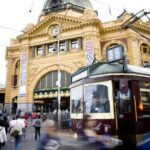
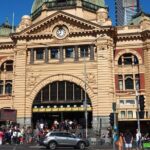
You’ll also pass through Flinders Street Station and Bourke Street Mall. These are high-recognition names, but the value of this tour isn’t that you “saw them.” It’s that you see them in a guided sequence that makes the central city feel connected.
Flinders Street Station is often a natural landmark people use when meeting up, and Bourke Street Mall is the sort of busy retail stretch where you can feel the city’s everyday rhythm. On a guided loop, you get less lost time and more time learning what to prioritize.
If you’re the type who likes to build a mental checklist—photo spots now, quick bites later—this part of the walk is useful. Your guide can point you toward areas you’ll actually enjoy spending extra time on once the tour ends.
You can also read our reviews of more guided tours in Melbourne



Block Arcade and Gold Rush-era architecture: why Melbourne feels different downtown
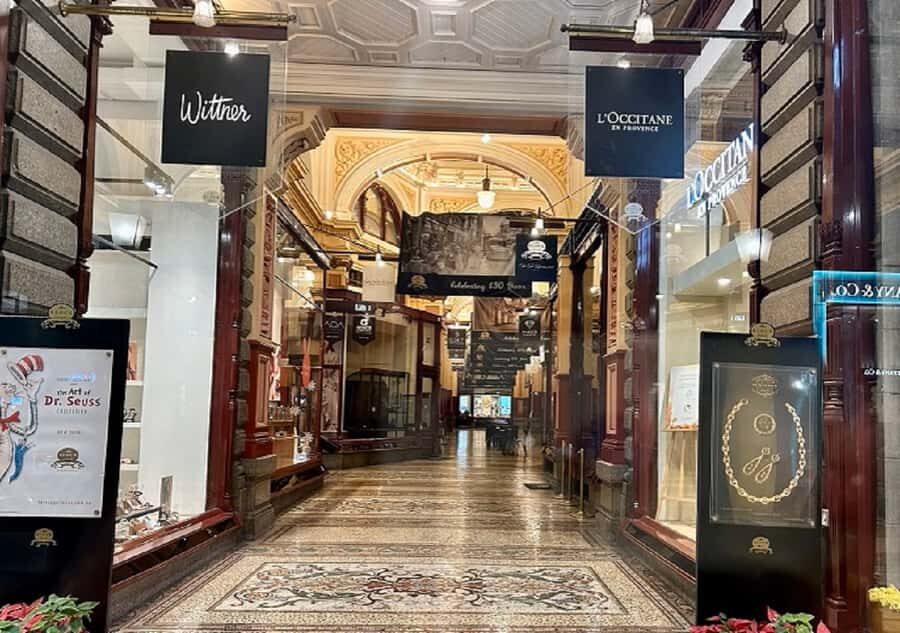
A standout segment of the route is Block Arcade, plus the walk past Gold Rush-era architectural masterpieces along the way. Even without going into a classroom lecture, this is the part that can make you see the city’s “old money meets modern streets” vibe.
Here’s what I’d watch for: how the architecture and street-level details shape the shopping streets and pedestrian flow. When you know that a portion of the city was built during that boom era, you start noticing why certain buildings feel grand, why some streets feel designed for walking, and why the center looks the way it does.
If you like architecture and urban character, this will likely be one of your favorites. And if you’re less into buildings, your guide can still translate it into plain language: what changed, what stayed, and why it matters when you plan your own exploring.
Chinatown: more than a stop sign for food
Chinatown is on the route, and it’s described as one of the oldest in the world. That line is a clue to how your guide may frame this area—not just as a lunch option, but as a neighborhood with staying power.
On a walking tour, you’re not limited to a single block or a quick photo. You can look around at the street feel and pick up how this area fits into central Melbourne’s overall identity.
I like that the tour keeps Chinatown connected to the rest of the route rather than turning it into a separate side quest. That makes it easier to keep exploring afterward, especially if you want to plan an evening meal without guessing.
Old Melbourne Gaol: bushranger stories that give the city a darker edge
Then you reach Old Melbourne Gaol, and the tour leans into the storytelling side: tales of Australia’s infamous bushrangers.
This is the kind of stop that helps you understand why Melbourne isn’t only about shopping and street art. It’s also about history with teeth—stories that make you look at the city differently when you’re standing right there.
Even if you’re not a history fanatic, a guided tour can help the details land. A building like this is easier to appreciate when you’re not just reading interpretive signs on your own. If your guide is strong here, it can be the emotional high point of the walk.
Just remember: it’s a walking tour with several major stops, so you likely won’t spend all day here. If you want to go deeper, note what you’re curious about and plan a follow-up visit after.
State Library of Victoria and Parliament of Victoria: the civic side of Melbourne
After the gaol stop, the route continues with State Library of Victoria and Parliament of Victoria. These are big, civic landmarks, and they change the tone of the city center again.
For me, this part works because it balances the earlier entertainment-and-laneway energy with institutions that shape the city long-term. It also helps you understand how Melbourne functions beyond its tourist faces.
If you care about how cities run—who builds the public spaces, where decisions get made—these stops can spark ideas for what to see next. If you don’t, it’s still a valuable change of scenery and a chance to orient yourself in a broader sense.
ACDC Lane and the Yarra River: finishing with color and open air
Two final stops round out the tour: ACDC Lane and the Yarra River.
ACDC Lane keeps the laneway theme going, so you get a sense of how street art and small-city corridors can shape the experience of the center. The route doesn’t just hit one lane and move on; it creates a mini tour-of-the-tour feeling.
Then you end near the Yarra River, which is a good way to close. Even without getting a long scenic day, you get that shift from dense street corners to a more open, breezier atmosphere. It helps you decompress after an active three hours.
The tour returns you to the start point at 15 Gisborne Street.
Coffee stop and pub finish: where the tour turns into your plan
You’ll get a break built in for a leisurely coffee stop at your own expense. That’s not just a comfort feature. It’s a smart way to keep your attention and energy up, especially when the walk includes both city-center landmarks and smaller lanes.
After the tour, the guide will take you to a classic Australian pub area to relax and enjoy traditional Aussie cuisine. Food and drinks are not included, so treat this as a helpful direction-setting moment rather than a prepaid meal.
I love this kind of ending because it solves a common trip problem: once the tour is done, you don’t want to stare at your phone trying to figure out where to go next. A guide-led option can steer you toward a place that fits the mood of your day.
Price and what $64 gets you in real terms
The price is $64 per person for a private walking tour lasting about three hours, with a guide and public transport included.
Is it a bargain? It can be, especially if you value guidance over solo wandering. You’re paying for the combination of:
- a set route that covers major central landmarks
- a guide to explain what you’re seeing and share advice for after
- public transport included to help connect stops without turning it into an endless grind
If you plan to do many stops on your own, this price starts to make sense because it replaces both the guesswork and the time you’d spend figuring out how to string everything together.
The main “value question” for me is your expectation level. If you mainly want photos and quick highlights, this tour can feel efficient. If you want heavy historical and architectural depth all the way through, you should choose it with care and be ready to ask questions on the spot.
Who this Melbourne walk is best for
This tour suits you if:
- you want a private format with a relaxed pace
- you’re excited about the laneways, including Hosier Lane and ACDC Lane
- you like mixing major sights with more story-based stops like Old Melbourne Gaol
- you want a guide’s recommendations so your day keeps going after the tour
It’s also a good fit for first-time visitors to central Melbourne who don’t want to plan a route block-by-block.
Should you book this Melbourne walking tour?
I’d book it if you want an easy, structured way to see the city center on foot, with enough variety to keep things interesting: laneway street art, landmark squares and stations, a Chinatown stop, and a memorable history stop at Old Melbourne Gaol.
I’d pause and think twice if you’re the kind of traveler who expects every stop to come with deep architectural analysis and a very specific historical angle. In that case, ask your guide what they’ll focus on for the day, and aim to steer the conversation. A private tour is one of the best formats to do that.
If you’re a comfortable walker and you like learning while you move, this one is a solid use of three hours in Melbourne.
FAQ
How long is the Melbourne walking tour?
It lasts about 3 hours.
Where do I meet the guide?
Meet your guide at 15 Gisborne Street.
Is this tour private?
Yes. It’s a private walking tour, and private group options are available.
What does the tour include?
A private walking tour with a guide, plus public transport.
Are food and drinks included?
No. Food or drinks are not included, though there is a coffee stop at your own expense.
Which places will we see?
You’ll walk past stops including Old Treasury Building, Hosier Lane, Melbourne Skydeck, Federation Square, Flinders Street Station, Bourke Street Mall, Block Arcade, Chinatown, Old Melbourne Gaol, State Library of Victoria, Parliament of Victoria, ACDC Lane, and the Yarra River.
Is there a guide on the tour?
Yes, you’ll have a live guide.
What languages are available?
English, French, and Spanish.
Are pets allowed?
No, pets are not permitted.